
Mungo Park (Scottish explorer of West Africa)
Mungo Park (1771–1806) was a Scottish surgeon and explorer known for early European exploration of the Niger River and for his published account of travels in West Africa.
Mungo Park (born 11 September 1771 at Foulshiels near Selkirk, Scotland) was a surgeon and explorer whose journeys into the interior of West Africa helped open European knowledge of the Niger River and surrounding regions. Trained in medicine and natural history, Park became a member of the African Association and led expeditions that combined geographic observation with personal reportage.
Image gallery
7 Images




Early life and training
Park studied medicine and surgery in Scotland and developed an interest in natural history and exploration. His professional training as a surgeon prepared him for the hardships of long journeys, and his membership of the African Association provided the sponsorship needed to mount an overland venture into Africa. He is frequently described as a Scottish explorer in contemporary accounts.
Major journeys
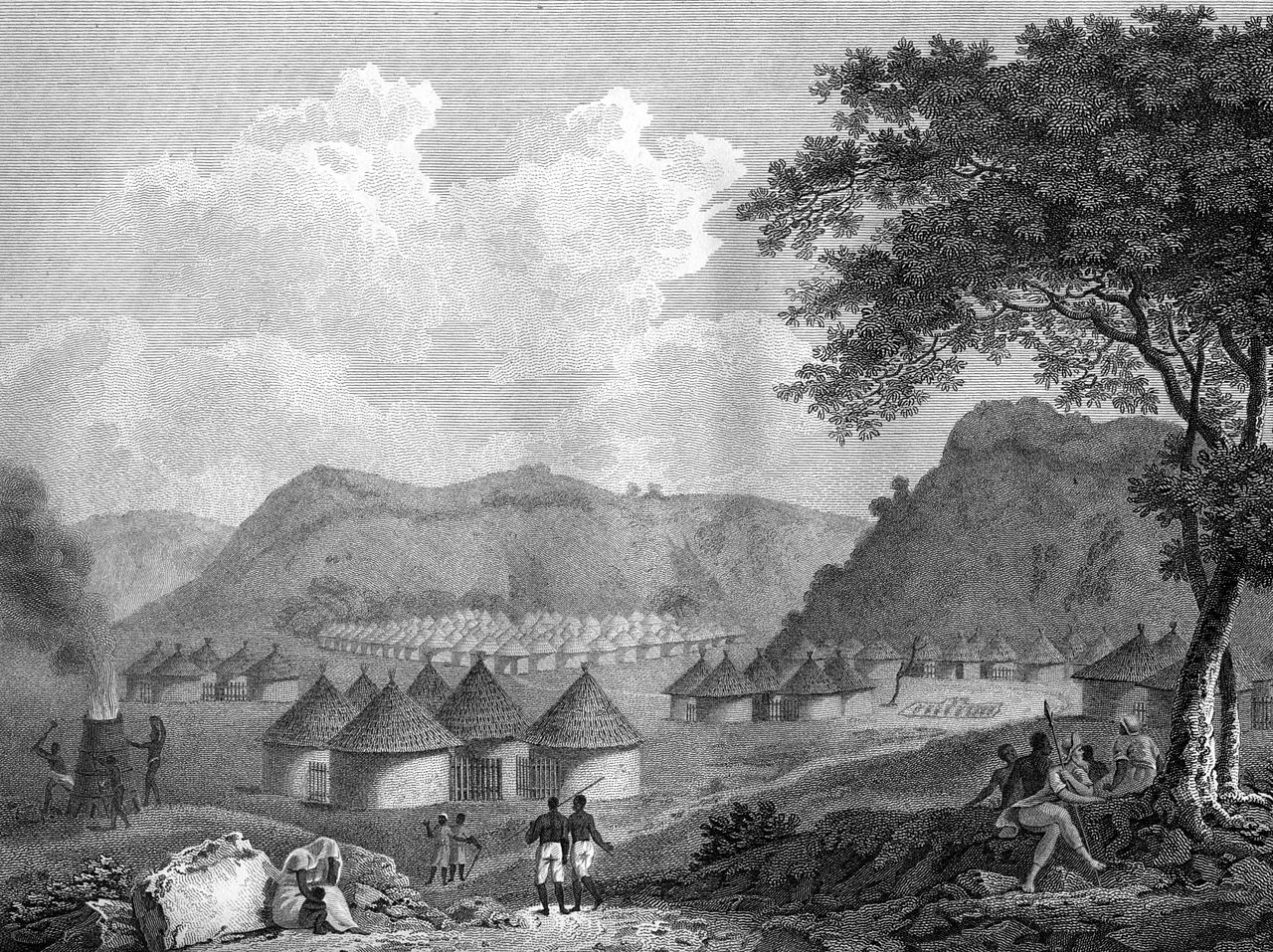
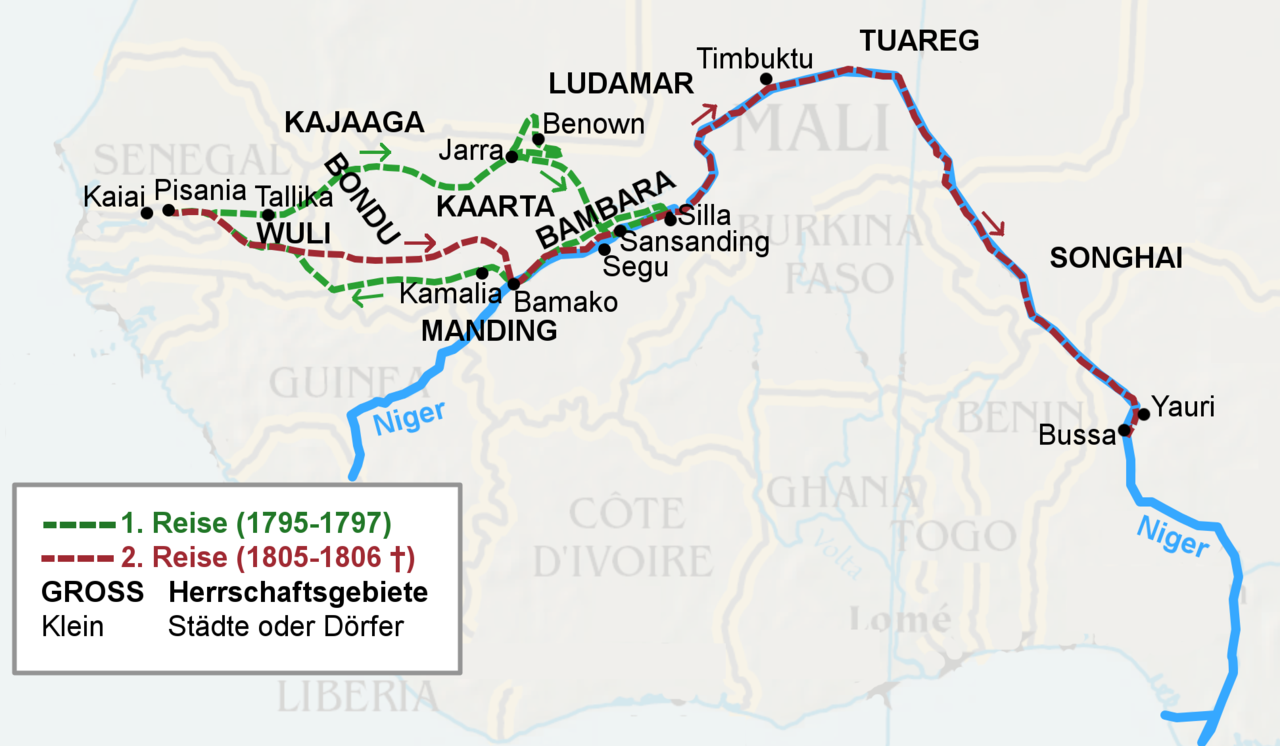
Park undertook two major expeditions into West Africa. On his first journey (1795–1797) he traveled from the Gambia inland and reached the upper stretches of the Niger River, making careful notes on geography, local societies, and the challenges of travel. His narrative, published as Travels in the Interior of Africa (1799), became widely read in Europe and influenced later explorers.
Second expedition and death
In 1805 Park set out again with a larger, government-backed effort to follow the Niger to its mouth and to resolve long-standing questions about its course. The expedition met with sickness, hostility, and navigational hazards. Park disappeared in 1806; later reports place his death in or near Yelwa in present-day Nigeria, though some details remain uncertain. Accounts suggest he drowned or was killed while attempting to pass difficult rapids.
Legacy and significance
- Park’s published account provided Europeans with among the first reliable observations of inland West African geography and cultures.
- He contributed to 19th-century interest in African exploration and influenced subsequent expeditions that sought the course of the Niger.
- His combination of medical training, careful note-taking, and readable narrative set a model for travel literature of the period.
Though later travellers corrected and expanded his findings, Mungo Park remains notable as an early Westerner to reach the higher Niger and for shaping European perceptions of West Africa at the turn of the 19th century.
Author
AlegsaOnline.com Mungo Park (Scottish explorer of West Africa) Leandro Alegsa
URL: https://en.alegsaonline.com/art/127303