
Moshe Safdie
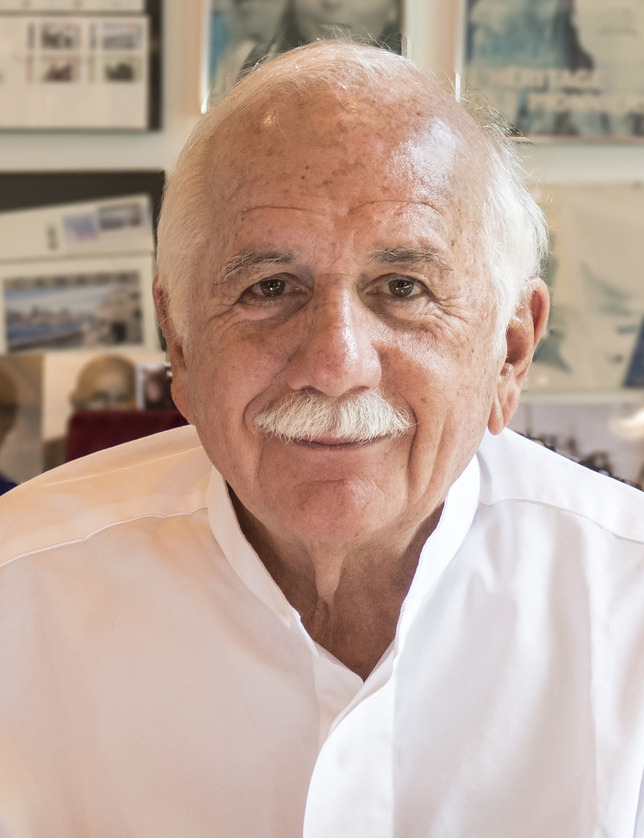
Israeli–Canadian architect and urban designer Moshe Safdie (born 1938), known for Habitat 67 and a career combining modular housing, public spaces, and large civic projects worldwide.
Overview
Moshe Safdie (born July 14, 1938) is an Israeli–Canadian architect, urban designer, educator, and author. He rose to international prominence with the modular housing complex Habitat 67, and since then has led an influential practice that blends human-scale planning with large civic and cultural commissions. His career spans architecture, urban theory, and teaching, and his work is frequently discussed in studies of postwar modernism and contemporary urbanism. For further reading on his life and awards see biographical sources.
Image gallery
10 Images



Approach and characteristics
Safdie’s designs often emphasize connections between buildings and landscape, daylighting, and flexible living environments. He advocates prefabrication and modular construction when appropriate, aiming to reconcile density with privacy and access to outdoor space. His projects commonly feature strong geometric clarity, integrated public spaces, and an interest in how architecture shapes daily life. A concise overview of his design philosophy is available at selected essays and interviews.
Notable projects
- Habitat 67 — a landmark modular housing complex that began as a prize-winning thesis concept and was realized for Expo 67 in Montreal; it demonstrated new possibilities for high-density housing.
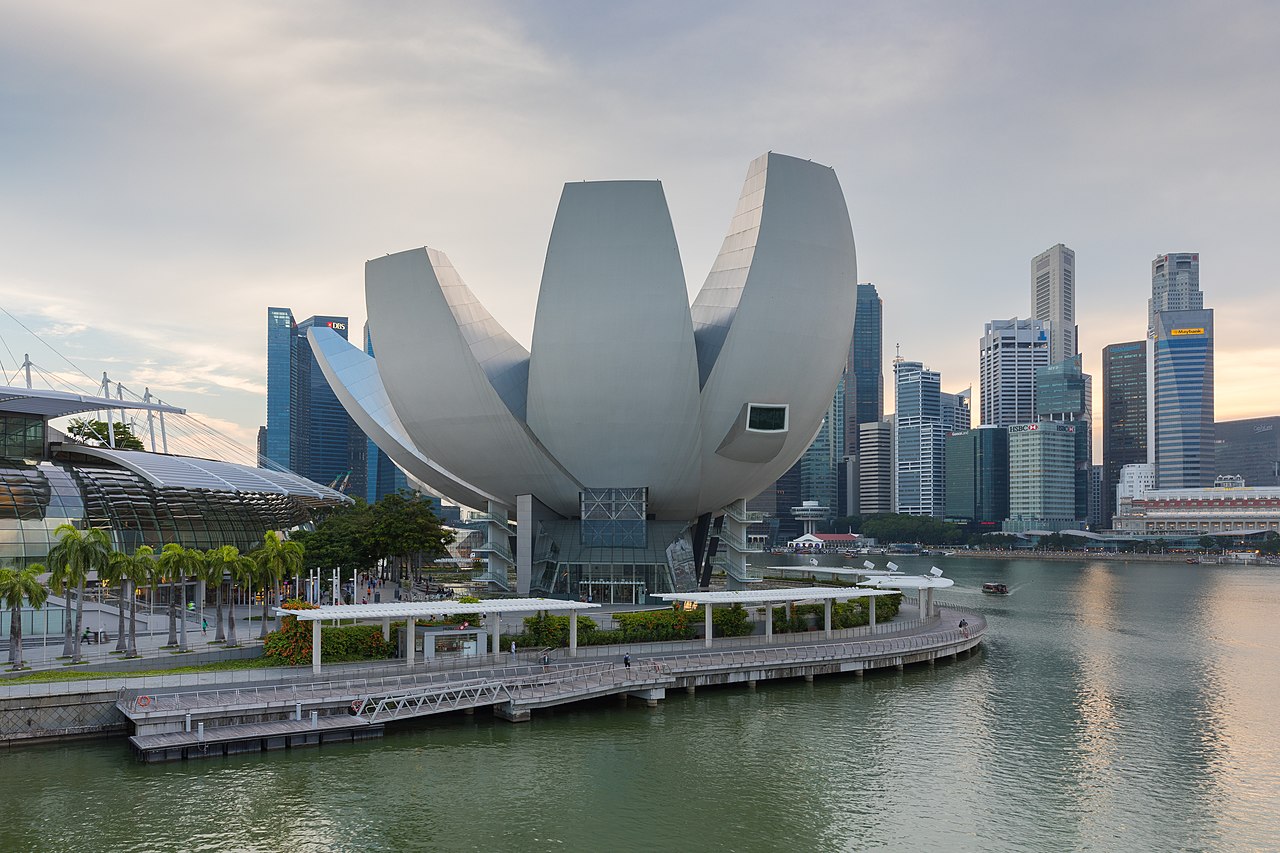
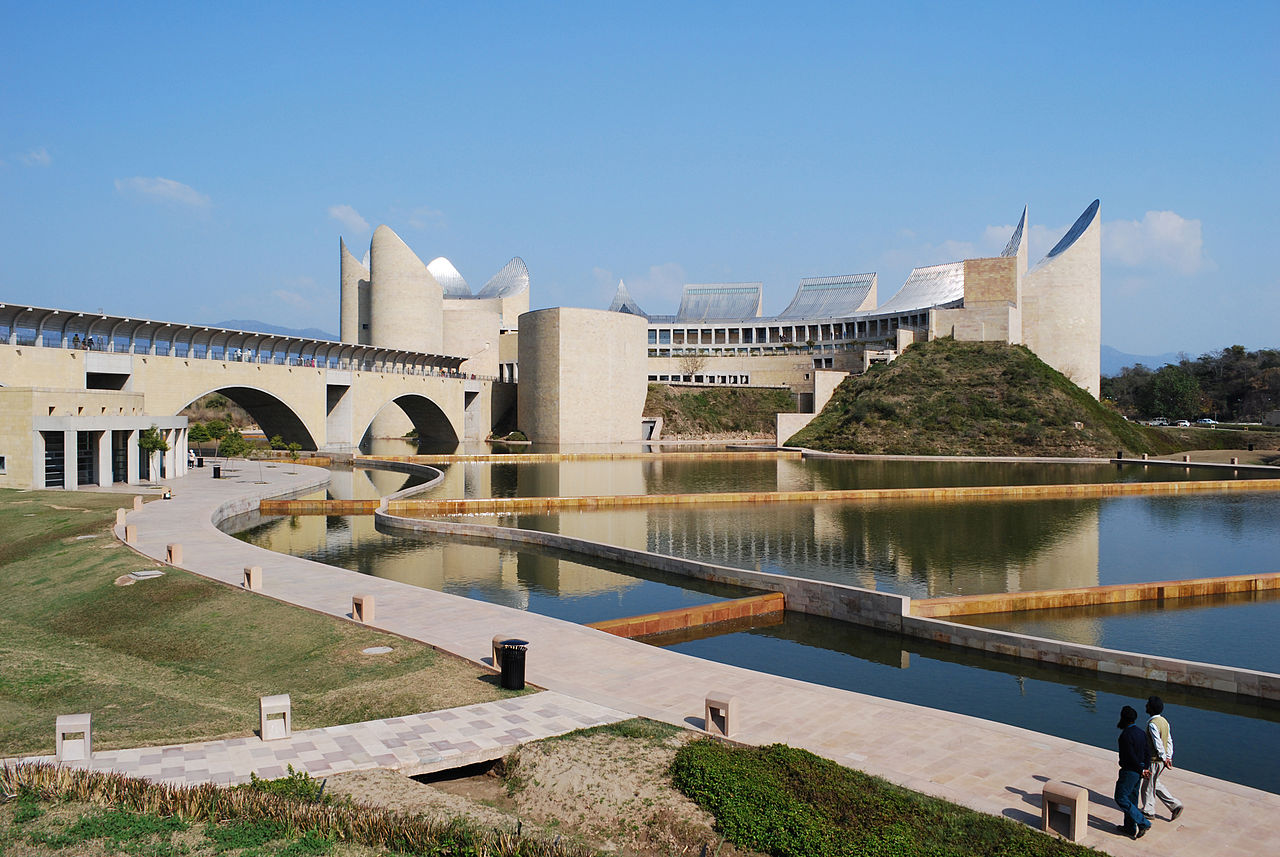
- Major civic and cultural projects — Safdie’s office has completed large-scale works across continents, including high-profile mixed-use developments and transportation-related architecture that foreground public realm improvements.
- Contemporary urban interventions — his later work often combines commercial, cultural, and green infrastructure elements to create integrated civic destinations.
History and development
Trained at McGill University in Montreal, Safdie first gained attention in the 1960s. Habitat 67 established him as a leading voice in rethinking urban housing; from that platform he founded an international practice that has executed a wide range of commissions. Over decades he has lectured and taught at universities, contributed to debates about city form, and published on architecture and planning. For timelines of his major works and exhibitions consult project archives.
Importance and recognition
Safdie’s work is influential for its attempts to combine social ideals with technical innovation and aesthetic clarity. He has received numerous honors recognizing his contributions to architecture and urban design, including high national and international awards. Among these is the Wolf Prize in 2019; further details on honors and distinctions are listed at award records.
As an educator and author, Safdie has influenced several generations of architects and planners. His buildings remain studied examples of how modular thinking, concern for public space, and an emphasis on human experience can shape contemporary architecture.
Author
AlegsaOnline.com Moshe Safdie Leandro Alegsa
URL: https://en.alegsaonline.com/art/127257