
Morton Deutsch: Pioneer in Social Psychology and Conflict Resolution
Morton Deutsch (1920–2017) was an American social psychologist whose work shaped modern theories of cooperation, competition, distributive justice and the practice of conflict resolution.
Overview
Morton Deutsch was an American social psychologist and a foundational figure in the study and practice of conflict resolution. His research synthesized laboratory experiments, theory, and practical interventions to explain how people and groups manage interdependence, distribute resources, and respond to conflict. By combining conceptual rigor with a concern for social justice, Deutsch helped create a discipline that bridges psychology, education, negotiation, and peace studies.
Image gallery
1 Image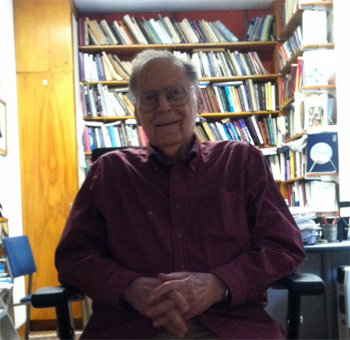
Key ideas and concepts
Deutsch developed several broadly used frameworks for understanding social interaction. Central among them are distinctions between cooperative and competitive goal structures, and analyses of how perceived fairness in outcomes and procedures affects trust and relationships. His work clarified how the structure of a situation—whether parties share a superordinate goal or must compete for limited rewards—shapes communication, motivation, and the likelihood of constructive versus destructive conflict.
- Cooperation vs. competition: goal structures that encourage mutual benefit foster information sharing and problem-solving; competition tends to narrow focus and increase conflict.
- Distributive and procedural justice: how resources and rules are seen as fair affects acceptance of outcomes.
- Conflict resolution as process: resolution depends on changing interaction patterns and perceptions, not only on final agreements.
Career and influence
Deutsch spent much of his academic career at Teachers College, Columbia University, where he taught, supervised research, and collaborated across disciplines. He published influential books and articles that shaped scholarship and training in mediation, negotiation, and peacebuilding. A survey published in Review of General Psychology (2002) ranked him among the most-cited psychologists of the 20th century, reflecting the wide reach of his ideas.
Applications and legacy
The practical consequences of Deutsch’s research appear in conflict management programs in schools, workplaces, and international mediation. Educators draw on his findings to design cooperative learning and reduce aggression; mediators use his emphasis on fairness and interest-based negotiation; policymakers and community leaders borrow his insights to build institutions that promote trust. His legacy endures in the continued study of how social structures and perceived justice shape human cooperation and conflict.
Author
AlegsaOnline.com Morton Deutsch: Pioneer in Social Psychology and Conflict Resolution Leandro Alegsa
URL: https://en.alegsaonline.com/art/127246