
Boiry-Notre-Dame — small commune in Pas-de-Calais, northern France
Boiry-Notre-Dame is a small rural commune in the Pas-de-Calais department of northern France, historically linked to Nord-Pas-de-Calais and now within Hauts-de-France. Overview, history, and features.

Overview: Boiry-Notre-Dame is a small commune located in the Pas-de-Calais area of northern France. It lies within the territory traditionally associated with Nord-Pas-de-Calais and since 2016 is part of the larger administrative region often referenced as Hauts-de-France. The locality is typical of the region: rural, with open farmland and a compact village centre offering local services.
Image gallery
2 Images
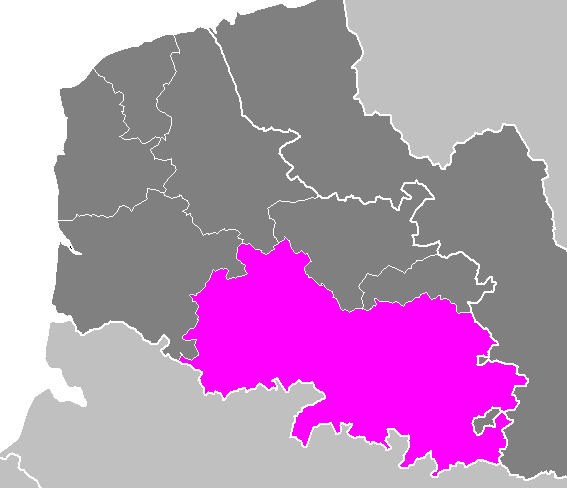
Characteristics and setting
The village sits in the province known administratively as Pas-de-Calais, a part of the French France state with mixed agricultural and small-scale industrial activities. Local architecture, lanes and field patterns reflect centuries of northern French rural life. The surrounding landscape supports cereal crops, pastures and hedgerows, and the settlement pattern is that of a small, dispersed commune rather than an urban town.
History and development
Like many communities in this part of northern France, Boiry-Notre-Dame has a history shaped by regional events. Over time the village has experienced agricultural change, administrative reorganisations and the broader social shifts of rural Europe. Features in and around the village may include a parish church, war memorials and markers of reconstruction from the twentieth century; these elements record local experiences of national conflicts and recovery.
Local life, economy and landmarks
The local economy is principally agricultural, supplemented by small businesses and commuting to larger towns. Notable elements for visitors or residents often include a parish church, communal green spaces and monuments to local history. Small communes such as this typically host annual civic events and maintain community associations that support rural life.
Administration and access
Boiry-Notre-Dame is administered within the wider department framework and participates in intercommunal cooperation for services such as schooling, waste management and road maintenance. Transport links are characteristic of rural northern France: local departmental roads connect the village to nearby market towns and regional rail or highway options are accessed a short drive away.
Practical notes
- Visitors should expect limited public services on site and check times for local amenities.
- The area is of interest to those studying rural settlement, agricultural landscapes and regional history.
- For administrative matters or more detailed maps consult departmental or regional resources.
Related articles
Author
AlegsaOnline.com Boiry-Notre-Dame — small commune in Pas-de-Calais, northern France Leandro Alegsa
URL: https://en.alegsaonline.com/art/12722