
Mohamed Atta (1968–2001)
Egyptian-born member of al-Qaeda who led the hijackers in the September 11, 2001 attacks and piloted American Airlines Flight 11 into the World Trade Center.
Overview
Mohamed Atta was an Egyptian-born Islamist extremist who served as the apparent ringleader of the group of nineteen hijackers responsible for the September 11, 2001 attacks in the United States. He is widely reported to have been one of the pilots and was aboard American Airlines Flight 11, the aircraft that struck the North Tower of the World Trade Center. Investigations by U.S. and international authorities concluded he had close ties to the extremist network al-Qaeda and played a central role in planning and coordinating the operation.
Image gallery
10 Images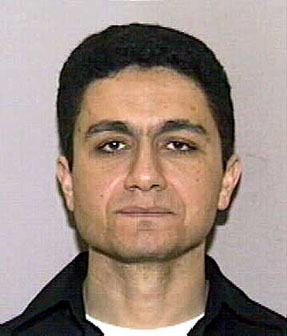


Background and education
Atta was born in 1968 in Egypt. In his early adult life he studied architecture and later traveled to Europe for further study. During the late 1990s he became part of a small group of like-minded students and activists in Hamburg, Germany, often referred to as the "Hamburg cell," where several future hijackers met and became increasingly radicalized. Over time he moved from being a student to becoming involved in clandestine planning for violent actions abroad.
Radicalization, travel and training
In the years before 2001 Atta and associates traveled between Europe, the Middle East and the United States. He received flight training in multiple locations, including in the United States, and took on the role of lead organizer for the cell that would carry out the attacks. Reports and investigative accounts describe him as a disciplined, determined figure who coordinated logistics, travel and target selection for the operation.
Role in the September 11 attacks
On September 11, 2001, Atta boarded American Airlines Flight 11 and is believed to have been among those who seized control of the cockpit. Flight 11 was the first aircraft to hit the World Trade Center complex, crashing into the North Tower and causing catastrophic loss of life. The attacks that day involved four hijacked airliners and led to extensive global consequences for security, foreign policy and counterterrorism.
Investigation, controversies and legacy
Extensive investigations by U.S. agencies and international bodies reconstructed much of Atta's movements, associations and planning role. The 9/11 investigations examined his contacts, communications and finances and produced a detailed public record of the plot. Some elements—such as how surveillance or intelligence gaps allowed the plot to proceed—remain subjects of study and debate. Atta's name and image have since appeared in news reports, documentaries and official inquiries exploring responsibility, prevention and the wider phenomenon of militant Islamist networks.
Further reading and resources
Author
AlegsaOnline.com Mohamed Atta (1968–2001) Leandro Alegsa
URL: https://en.alegsaonline.com/art/127146