
Michelle Bachelet: Chilean Leader, Physician, and International Human Rights Official
Profile of Verónica Michelle Bachelet Jeria: Chilean president (two terms), physician and Socialist politician, former head of UN Women and former UN High Commissioner for Human Rights.
Verónica Michelle Bachelet Jeria (born 29 September 1951) is a Chilean physician and politician who served two non-consecutive terms as President of Chile, from 11 March 2006 to 11 March 2010 and from 11 March 2014 to 11 March 2018. She is widely known as the country's first woman to hold the presidency and as a leading figure in the Socialist political tradition. During and after her national service she also held senior international roles including leadership of UN Women and appointment as the United Nations High Commissioner for Human Rights.
Image gallery
10 Images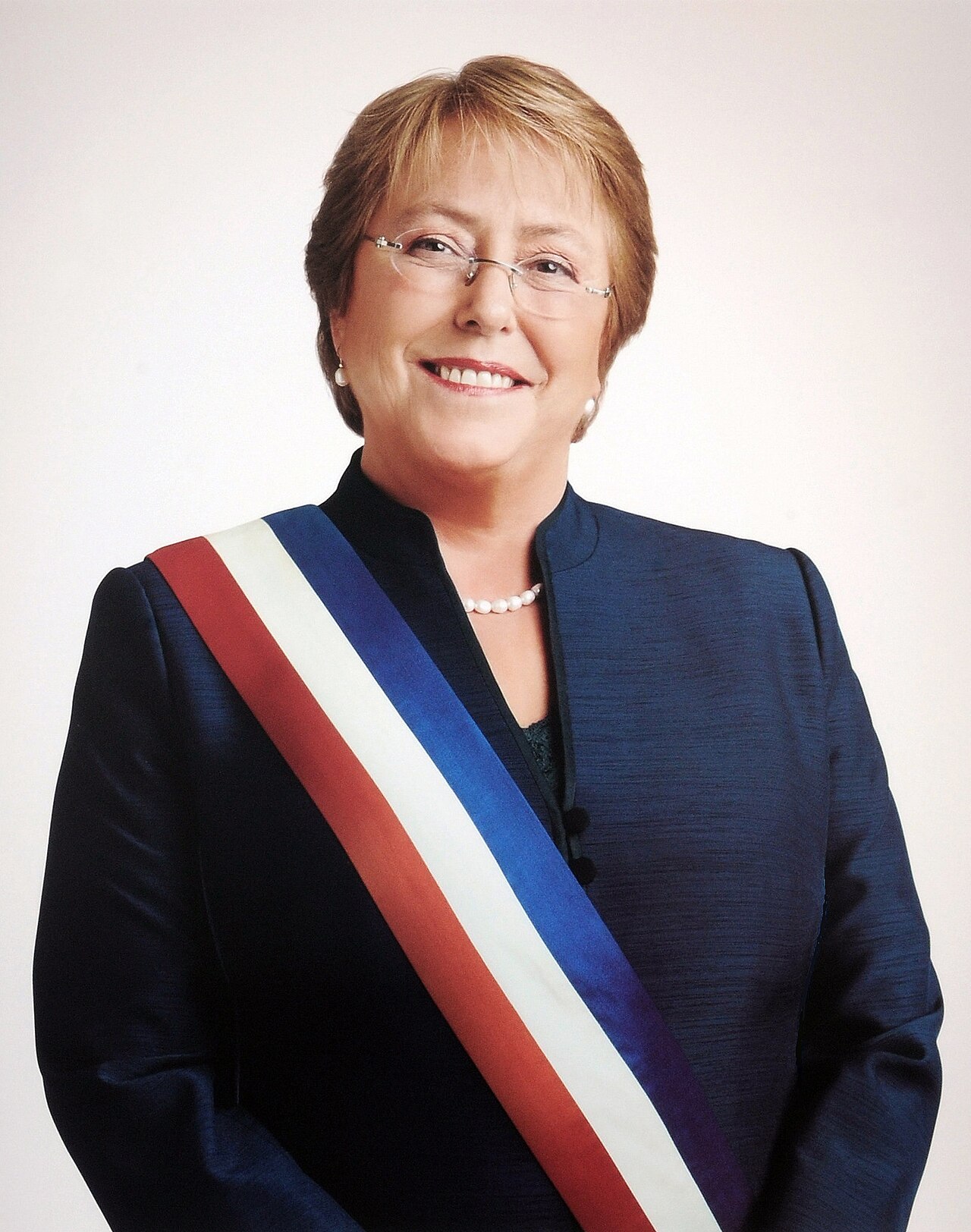




Early life and background
Bachelet was born into a family active in public life. Her father, General Alberto Bachelet, was an officer in the Chilean Air Force who opposed the 1973 coup and later died while detained. Her mother, archaeologist Ángela Jeria, raised the family and became a public figure in later years. Bachelet was named after the French actress Michèle Morgan. She trained as a physician with a specialization in pediatrics and public health, and her early career and personal history were shaped by exile and the political upheavals that followed the coup.
National political career
Bachelet entered public administration in the late 1990s and early 2000s, serving in ministerial posts including Minister of Health and later Minister of Defense — a notable appointment for a woman with a military family background. She was elected President of Chile twice, and her administrations emphasized social policies, expansion of health and education programs, and efforts to reduce poverty while maintaining macroeconomic stability. She is associated with the Socialist Party and with center-left coalitions that governed Chile in the post-dictatorship era.
International roles and human rights work
After her first presidential term she accepted the leadership of UN Women, resigning in 2013 to return to Chilean politics and run for a second presidential term. In 2018 she was appointed United Nations High Commissioner for Human Rights, a role in which she focused on human rights crises, protection of civilians, and strengthening international human rights mechanisms. Her tenure in multilateral posts reinforced her global profile as an advocate for gender equality and humanitarian standards.
Notable distinctions and public perception
Bachelet's career is notable for several historic and symbolic facts: she was the first woman to be elected President of Chile, breaking gender barriers in Chilean politics. Her status as a former president also led to international appointments; she has been described in many profiles as a pragmatic center-left leader who sought incremental reforms. Critics and supporters alike point to both achievements in social policy and to political constraints typical of democratic governance.
Summary of offices and legacy
- President of Chile (two terms: 2006–2010, 2014–2018)
- Ministerial roles in Chilean government prior to the presidency
- Head of UN Women and later United Nations High Commissioner for Human Rights
Bachelet remains a central figure in discussions about gender and politics in Latin America and in debates over social policy, human rights, and international cooperation. Her personal history, including family losses during the Pinochet era, and her professional trajectory from medicine to national leadership, have shaped both her public priorities and her symbolic role in Chilean life. For the most current information about her activities and official statements, consult reliable news sources and institutional profiles on the office of the presidency of Chile and relevant United Nations pages.
See also: biographical overviews and archival material that explore her childhood, medical training, ministerial record, presidential programs, and international human rights work. For brief contextual reading on women in politics in Chile, refer to resources about the country's progress in electing its first woman to the highest office and the broader implications for Latin American gender dynamics.
Author
AlegsaOnline.com Michelle Bachelet: Chilean Leader, Physician, and International Human Rights Official Leandro Alegsa
URL: https://en.alegsaonline.com/art/126851