
Mervyn Peake (1911–1968)
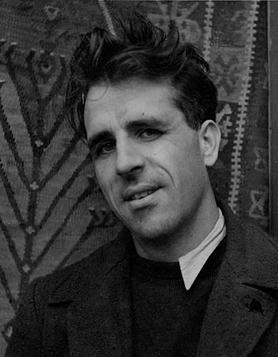
British writer, poet, illustrator and artist best known for the Gormenghast trilogy. Peake combined baroque prose, gothic imagination and visual art across novels, drawings, stage work and illustration.
Overview
Mervyn Peake was a British writer and artist whose work spans novels, poetry, illustration and stage design. Born in 1911 and dying in 1968, he is most famous for the Gormenghast sequence, a trilogy of novels that created a singular, gothic fantasy world. His best known books in that series are Titus Groan (1946), Gormenghast (1950) and Titus Alone (1959), though his career also included other fiction and many drawings.
Image gallery
3 Images

Style and themes
Peake's prose is often described as baroque: richly detailed, formally inventive and populated with grotesque, memorable characters. The Gormenghast novels focus on ritual, architecture and the decline of an enormous ancestral castle and its absurd hereditary court. Recurring themes include the tension between duty and individuality, the isolating effects of tradition, and a dark wit that undercuts sentiment. Readers and critics note his careful attention to visual detail, reflecting his background as an illustrator.
Career and other works
Alongside his novels Peake produced poetry, short stories, theatrical designs and numerous drawings and paintings. He wrote the comic novel Mr Pye (1953) and created illustrations for books and periodicals. Trained and practiced as a visual artist, his sketches and ink drawings are often displayed to show how his literary imagination and pictorial skills informed one another. For general biographical context see biographical sources.
Reception and legacy
Peake's reputation grew steadily after his death. Although his later years were marked by a progressive illness that curtailed his output, his imaginative achievement has been influential on modern fantasy, gothic literature and writers who value dense atmospheric worldbuilding. His work has been adapted for radio, stage and television and continues to be the subject of scholarly study and popular admiration.
Notable works
- Titus Groan (1946)
- Gormenghast (1950)
- Titus Alone (1959)
- Mr Pye (1953)
Peake remains a distinctive figure whose combination of literary invention and visual artistry created a literary landscape that feels both classically gothic and strikingly original.
Author
AlegsaOnline.com Mervyn Peake (1911–1968) Leandro Alegsa
URL: https://en.alegsaonline.com/art/126662