
Mei Baojiu — Peking opera performer and successor of the Mei school
Mei Baojiu (1934–2016) was a leading Peking opera artist, renowned for performing Dan roles and for preserving the Mei Lanfang style through performance, teaching and international promotion.
Overview
Mei Baojiu (Chinese: 梅葆玖; pinyin: Méi Bǎojiǔ) was a prominent twentieth‑ and early‑twenty‑first‑century Peking opera artist, born on 29 March 1934 and passing on 25 April 2016. He is widely recognized as a principal inheritor of the Mei Lanfang tradition and is associated with the Mei school, a stylistic lineage within Chinese opera. Mei specialized in Peking opera and also performed in Kunqu drama, becoming an important figure in efforts to sustain these forms through changing social and cultural conditions.
Image gallery
2 Images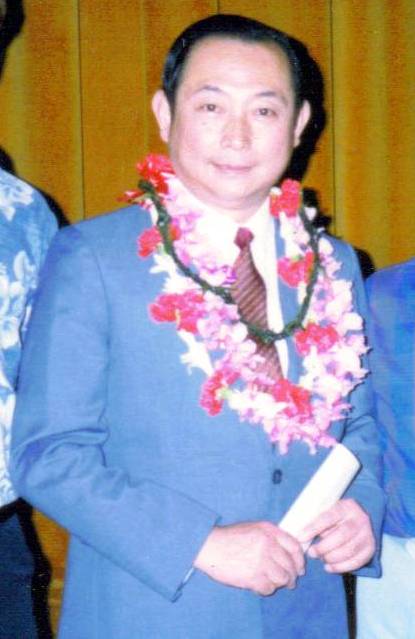

Artistic profile and role types
Mei built his reputation primarily as a performer of the Dan role type — the female roles in Peking opera — continuing a family tradition established by his father, the celebrated master Mei Lanfang. His stage manner combined refined vocal technique, stylized movement, and attention to the particular gestures and vocal timbres associated with the Mei school. Though best known for female roles, Mei's artistic range included work across a repertoire drawn from history, legend and classical literature.
Repertoire and notable works
Over decades of performance, Mei Baojiu presented many well‑known works that exemplify the repertoire of the Mei school and Peking opera generally. Typical pieces in his repertoire included:
- Farewell My Concubine — a classic historical drama.
- Guifei Intoxicated (貴妃醉酒) — a display of lyrical singing and expressive movement.
- Lady General Mu Takes Command (穆桂英挂帅) — a martial and dramatic role.
- The Story of Yang Guifei (太真外传), Luo Shen (洛神) and Xi Shi (西施) — works drawn from classical poetry and legend.
Career, teaching and leadership
Mei Baojiu served as leader of the Mei Lanfang Peking Opera Troupe at the Beijing Peking Opera Theatre, guiding performances and training younger artists to preserve the style and techniques of his lineage. His activities included staging productions, mentoring students and participating in cultural exchanges. Through tours, recordings and public appearances, he sought to keep traditional performance practices visible to contemporary audiences and to pass knowledge to the next generation of performers.
Legacy and significance
Mei is remembered for consolidating the Mei school’s approach to vocal production, gesture and stage presence. In a period during which traditional arts encountered rapid social change, he became a public face of continuity, emphasizing both fidelity to established forms and the need for careful teaching. His influence extended beyond China as his troupe and students participated in international tours and cultural events, contributing to wider appreciation of Peking opera outside its country of origin.
Final years
In late March 2016 Mei Baojiu was hospitalized in Beijing because of a bronchospasm; contemporary reports noted respiratory complications linked to that condition and other age‑related health issues (bronchospasm). He died on 25 April 2016 at the age of 82. His passing prompted reflections within the performing‑arts community on the task of preserving stylistic lineages such as the Mei school for future performers and audiences.
For further reading on his life and work, consult specialized sources on Peking opera, the Mei school, and biographies of Mei Lanfang and his family lineage. Additional information and archival materials are available through theatrical institutions and cultural repositories that document Chinese operatic traditions. See also references in Chinese‑language scholarship for details of specific performances and recordings.
Author
AlegsaOnline.com Mei Baojiu — Peking opera performer and successor of the Mei school Leandro Alegsa
URL: https://en.alegsaonline.com/art/126583