
Mauricio Funes — Salvadoran journalist and president (2009–2014)
Mauricio Funes, born 1959, is a Salvadoran journalist who became the country's president (2009–2014) as the first FMLN candidate to win national office; his term mixed social programs with regional realignment.
Overview
Carlos Mauricio Funes Cartagena (born 18 October 1959) is a Salvadoran journalist and politician who served as President of El Salvador from 2009 to 2014. A former TV news presenter and reporter, he entered politics as the presidential candidate of the left-wing Farabundo Martí National Liberation Front and his election ended two decades of rule by the right-leaning ARENA party. His rise marked a significant shift in the political landscape of El Salvador.
Image gallery
7 Images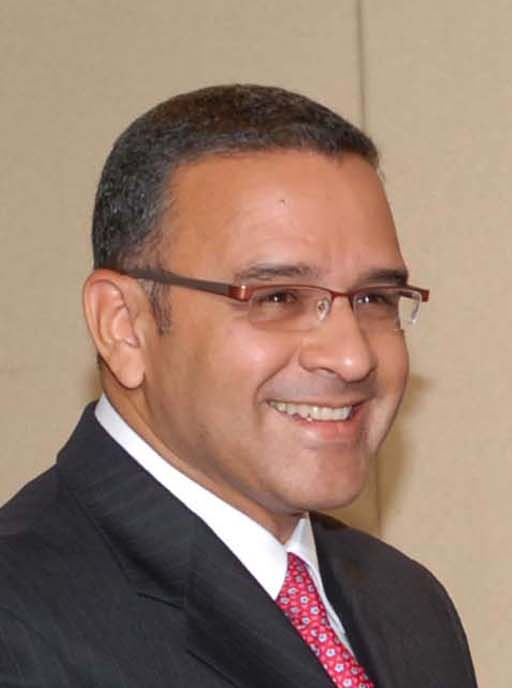


Early career and political entry
Before seeking office, Funes built a public profile as a television journalist and news anchor. His media career made him a recognizable figure across the country and helped bridge the gap between the FMLN and voters who had not previously supported the party. He was chosen as the FMLN candidate in 2008–2009 and campaigned on promises of social inclusion, poverty reduction, and change from the long-standing status quo.
Presidency (2009–2014)
Funes took office in June 2009 with a platform that emphasized expanding social programs, improving access to health and education, and prioritizing poverty alleviation. His administration pursued closer relations with several regional governments and international partners, and it promoted public works and targeted transfers aimed at low-income families. Salvadoran policy during his term also grappled with persistent challenges such as crime, security, and economic constraints.
Policies and initiatives
- Social spending: increased programs intended to help poor and vulnerable households.
- Diplomacy: sought more active ties with other Latin American administrations and multilateral institutions.
- Public programs: invested in infrastructure and conditional cash-transfer style initiatives to improve schooling and health outcomes.
- Security: faced the ongoing issue of gang-related violence that continued to affect public life and policymaking.
Controversies and later life
After leaving office in 2014 — when his vice president, Salvador Sánchez Cerén, succeeded him as president — Funes faced allegations related to irregularities and the misuse of public funds. He has denied wrongdoing. In 2016 he left El Salvador and was granted political asylum by Nicaragua; the asylum and the allegations have been matters of national and international attention and debate.
Legacy and significance
Mauricio Funes remains a consequential figure in contemporary Salvadoran history: his election signaled the first time the the FMLN party won the presidency, altering decades-long political dynamics. Assessments of his term emphasize both the expansion of social policies and criticisms tied to governance and accountability. His career illustrates the interplay between media prominence and political leadership in modern Latin America.
Author
AlegsaOnline.com Mauricio Funes — Salvadoran journalist and president (2009–2014) Leandro Alegsa
URL: https://en.alegsaonline.com/art/126474