
Margaret Spellings: U.S. Education Official and Policy Leader
Overview of Margaret Spellings, former U.S. Secretary of Education, her role in No Child Left Behind, White House service, later leadership in higher education, and her policy legacy.
Overview
Margaret Spellings (born Margaret Dudar; November 30, 1957) is an American education policy figure who served as the U.S. Secretary of Education from 2005 to 2009. She was previously a senior White House aide and has since held leadership roles in higher education and education advocacy. Her public career is most closely associated with efforts to increase federal accountability and standardized assessment in K–12 education.
Image gallery
5 Images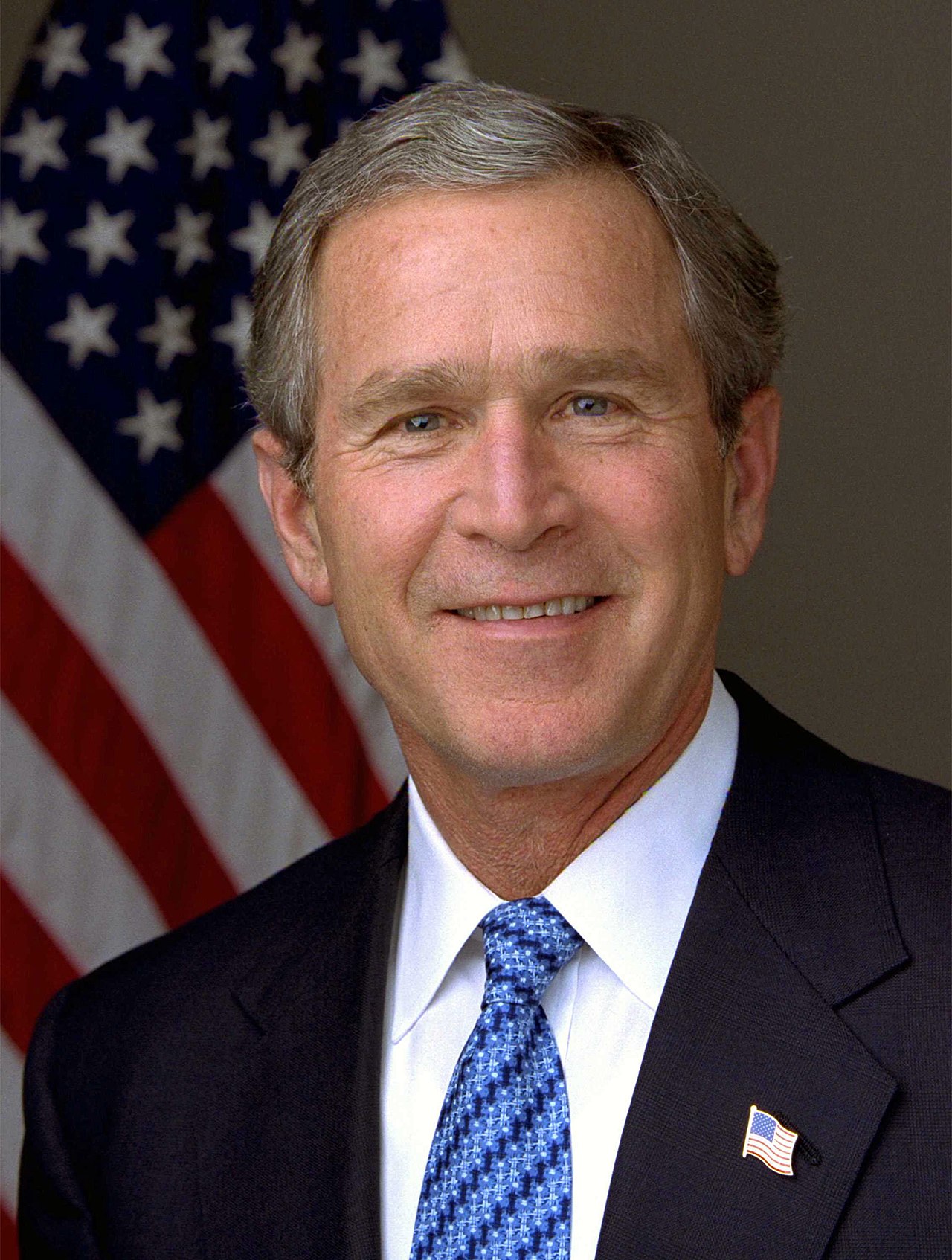


White House role and rise to national office
Spellings began her service in the Bush administration as Assistant to the President for Domestic Policy, working at the White House on a range of domestic initiatives. In that capacity she advised and helped shape education policy for President George W. Bush. In 2005 she was nominated and confirmed as Secretary of the Department of Education, becoming the second person to hold that cabinet-level position under the Bush administration.
No Child Left Behind and policy priorities
Spellings is widely recognized as one of the principal authors of the 2001 No Child Left Behind Act, a major revision of federal K–12 education law that placed new emphasis on student testing, accountability for schools, and closing achievement gaps. The law expanded federal expectations for assessment and reporting, and it linked some funding decisions to measurable outcomes. Supporters credited the law with spotlighting low-performing schools; critics argued it increased pressure on schools and led to an overemphasis on testing. The statute and its effects remain central to discussions of federal education policy and reform.
Later roles and public profile
After leaving the Cabinet in 2009, Spellings continued to work in education policy and administration. She served in higher-education leadership, including a term as president of the University of North Carolina system, and participated in public debates over accountability, federal versus state roles in education, and college completion strategies. Her career has combined policymaking inside government with administrative leadership and advocacy outside it.
Notable facts and legacy
- Spellings helped draft and promote the No Child Left Behind Act; the statute is often linked with her policy agenda and is discussed in analyses of the early 21st-century education reforms (No Child Left Behind).
- She moved from a senior White House domestic policy post to head the Department of Education, illustrating the close connection between executive policy teams and cabinet leadership in education.
- Her tenure and later work highlight enduring debates about accountability, testing, and the proper balance of federal and state authority in American education (education policy debates).
Spellings' influence on national education policy is still referenced in discussions about standards, assessment, and the federal role in schooling. For more on the historical context and subsequent reforms, readers can consult analyses of early-2000s education legislation and later federal initiatives (administration archives, presidential materials).
Author
AlegsaOnline.com Margaret Spellings: U.S. Education Official and Policy Leader Leandro Alegsa
URL: https://en.alegsaonline.com/art/125925