
Charles IV of France (1294–1328)
Last direct Capetian king of France (reigned 1322–1328), also King of Navarre and Count of Champagne; his death without a male heir produced a succession crisis that helped spark the Hundred Years' War.
Overview
Charles IV (born June 1294, died 1 February 1328) was King of France and, as Charles I, King of Navarre, and Count of Champagne from 1322 until his death. He was the last ruler of the direct male line of the House of Capet and his short reign ended a dynasty that had ruled France for three centuries. His coronation took place at the traditional site in Reims; the ritual affirmed royal legitimacy even as dynastic questions mounted.
Image gallery
6 Images


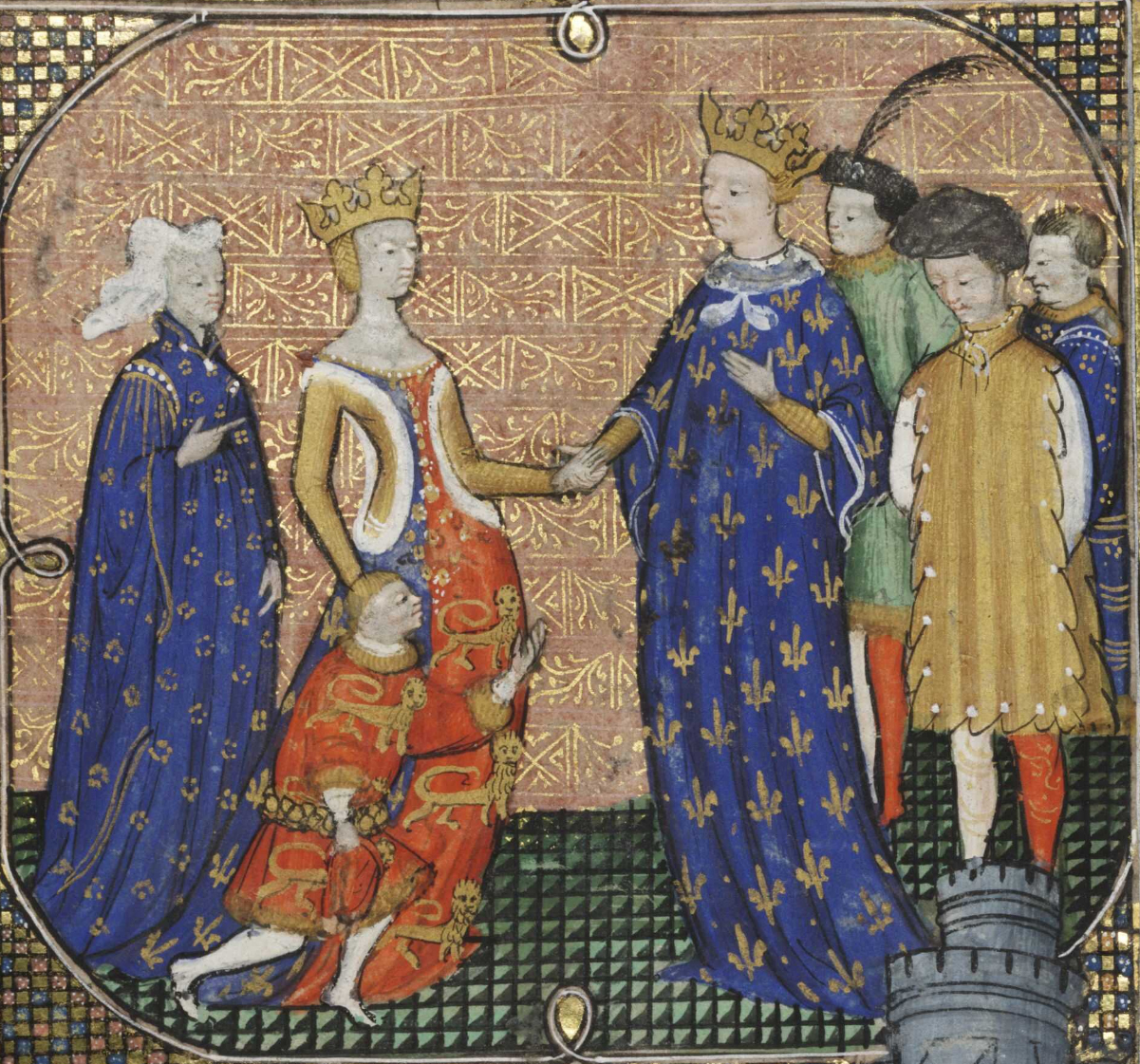

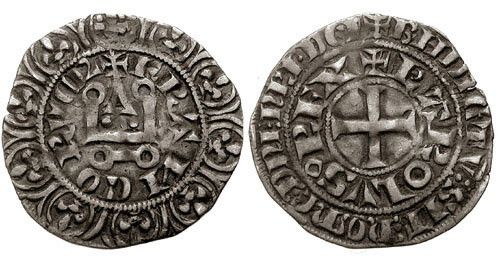
Background and accession
Charles was one of the younger sons of Philip IV and came to the throne after the successive, short reigns of his elder brothers. These rapid successions created a sensitive situation for the succession of the French crown. Charles inherited the complex obligations of a medieval king — military, judicial and fiscal — and the international entanglements of the French monarchy, especially with England over territories in southwestern France.
Reign: policies and conflicts
During his reign Charles pursued both military and fiscal policies intended to secure royal authority and revenue. He ordered an invasion of Aquitaine, renewing conflict with the English crown over ducal lands held in France. Negotiations and pressure produced a partial settlement in 1327; contemporary sources indicate payments and territorial concessions formed part of the agreement, recorded in some accounts as payment of about 50,000 marks. Domestically, Charles continued the heavy taxation and fiscal methods developed by his predecessors to fund royal government and warfare; these measures were unpopular but reflected the fiscal demands of the period.
Religious and social measures
Charles's reign also saw harsh measures against Jewish communities. Building on a pattern of expulsions and restrictions from earlier decades, his administration expelled Jews from parts of the kingdom in 1323 and seized assets in some instances. These actions were part of the broader pattern of medieval anti-Jewish policies in western Europe and had long-term social and economic consequences for affected communities.
Succession crisis and legacy
Charles died in 1328 without a surviving son. He left daughters but no male heir, and the legal principle then invoked in France — the Salic law — barred inheritance of the crown through the female line. That legal interpretation excluded claims through daughters and led to the selection of his cousin Philip of Valois as king. Edward III of England, whose claim came through his mother, Isabella of France, contested the succession; this dispute over dynastic rights was one of the proximate causes of the prolonged Anglo-French conflict known as the Hundred Years' War, in which Edward's claims played a central role.
Notable facts and significance
- Titles: King of France, King of Navarre (as Charles I), and Count of Champagne.
- Coronation: took place at Reims Cathedral — the traditional site of French coronations — reinforcing ritual legitimacy (Reims Cathedral, Reims).
- Fiscal policies: increased taxation and royal exactions were part of his short reign and contributed to unrest (taxes).
- Dynastic consequence: his death without a male heir opened claims from Edward III of England and produced a long international conflict.
Charles IV's reign was brief but consequential: it closed the chapter on the direct Capetian line, sharpened questions about succession law in medieval Europe, and helped set the stage for decades of Anglo-French rivalry. His actions on the domestic and international fronts illustrate the pressures faced by early 14th-century monarchs balancing war, revenue and dynastic continuity.
Live
Charles IV was the third son of Philip IV the Fair († 1314) and his wife Joan of Navarre († 1305). As a prince, he still received the county of La Marche as an appanage from his father in 1314. He succeeded his elder brother Philip V the Tall, who had left no son entitled to inherit, on the throne of France in 1322. Charles IV was crowned as the new king on 21 February 1322.
His government was marked externally by the conflict with his brother-in-law King Edward II of England, who refused to take the required oath of fealty for Gascony. As a result, there were several military clashes in Gascony. The collection of the financial resources required for this made Charles's government unpopular with the population. With the mediation of his sister Isabella, Edward's wife, the conflict was finally settled in 1325 after her son paid homage to Prince Edward on his father's behalf. In addition, Charles was paid the Agénois and 50,000 pounds sterling by his sister in 1327, which would later serve as the occasion for Edward III's long-running conflict with France.
At Christmas 1327, Charles suddenly fell ill and died shortly afterwards. His last official act was the transfer of the county of La Marche in exchange for the county of Clermont-en-Beauvaisis to Louis I de Bourbon, who additionally received the title of duke and the dignity of a pair for the seigneury of Bourbon.
The young Luxembourg prince Wenceslas lived for a time at Charles' court for his education. On the occasion of his confirmation in 1323, King Charles acted as his godfather, which meant that Wenceslas would later go down in history as Emperor Charles IV.
Charles IV of France died at Vincennes Castle on 1 February 1328 and was buried in the sepulchre of French kings, Saint-Denis Cathedral. During the sacking of the royal tombs of Saint-Denis during the French Revolution, his tomb was opened and looted on 24 October 1793, and his remains were buried in a mass grave outside the church.

Ancestors
|
|
|
|
| ||||||||||||
|
| |||||||||||||||
|
| Louis IX King Of France (1214-1270) |
| |||||||||||||
|
|
| ||||||||||||||
|
|
|
| |||||||||||||
|
| |||||||||||||||
|
| Philip III, King of France (1245-1285) |
|
| ||||||||||||
|
|
| ||||||||||||||
|
|
|
| |||||||||||||
|
| |||||||||||||||
|
| Margaret of Provence (1221-1295) |
| |||||||||||||
|
|
| ||||||||||||||
|
|
| ||||||||||||||
|
| |||||||||||||||
|
| Philip IV, King of France (1268-1314), |
|
| ||||||||||||
|
|
| ||||||||||||||
|
|
|
|
| ||||||||||||
|
| |||||||||||||||
|
| James I of Aragon (1208-1276) |
| |||||||||||||
|
|
| ||||||||||||||
|
|
| ||||||||||||||
|
| |||||||||||||||
|
| Isabella of Aragon (c. 1243-1271) |
|
| ||||||||||||
|
|
| ||||||||||||||
|
|
|
| |||||||||||||
|
| |||||||||||||||
|
| Yolanda of Hungary (1219-1251) |
| |||||||||||||
|
|
| ||||||||||||||
|
|
| ||||||||||||||
|
| |||||||||||||||
|
| Charles IV King of France |
|
| ||||||||||||
|
|
| ||||||||||||||
|
|
|
|
|
|
|
| |||||||||
|
| |||||||||||||||
|
| Theobald I of Navarre (1201-1253) |
| |||||||||||||
|
|
| ||||||||||||||
|
|
| ||||||||||||||
|
| |||||||||||||||
|
| Henry I of Navarre (c. 1244-1274) |
|
| ||||||||||||
|
|
| ||||||||||||||
|
|
|
| |||||||||||||
|
| |||||||||||||||
|
| Margaret of Bourbon-Dampierre (d. 1256) |
| |||||||||||||
|
|
| ||||||||||||||
|
|
| ||||||||||||||
|
| |||||||||||||||
|
| Joan I of Navarre (1273-1305) |
|
| ||||||||||||
|
|
| ||||||||||||||
|
|
|
|
|
|
| ||||||||||
|
| |||||||||||||||
|
| Robert I of Artois (1216-1250) |
| |||||||||||||
|
|
| ||||||||||||||
|
|
| ||||||||||||||
|
| |||||||||||||||
|
| Blanche d'Artois (1248-1302) |
|
| ||||||||||||
|
|
| ||||||||||||||
|
|
|
|
|
|
|
|
|
| |||||||
|
| |||||||||||||||
|
| Matilda of Brabant (1224-1288) |
| |||||||||||||
|
|
| ||||||||||||||
|
|
| ||||||||||||||
|
| |||||||||||||||
Related articles
Author
AlegsaOnline.com Charles IV of France (1294–1328) Leandro Alegsa
URL: https://en.alegsaonline.com/art/18725