
Manuel Mejuto González — Spanish football referee
Profile of Manuel Mejuto González, a Spanish referee best known for officiating the 2005 UEFA Champions League Final; career overview, background and role in top-level officiating.
Overview
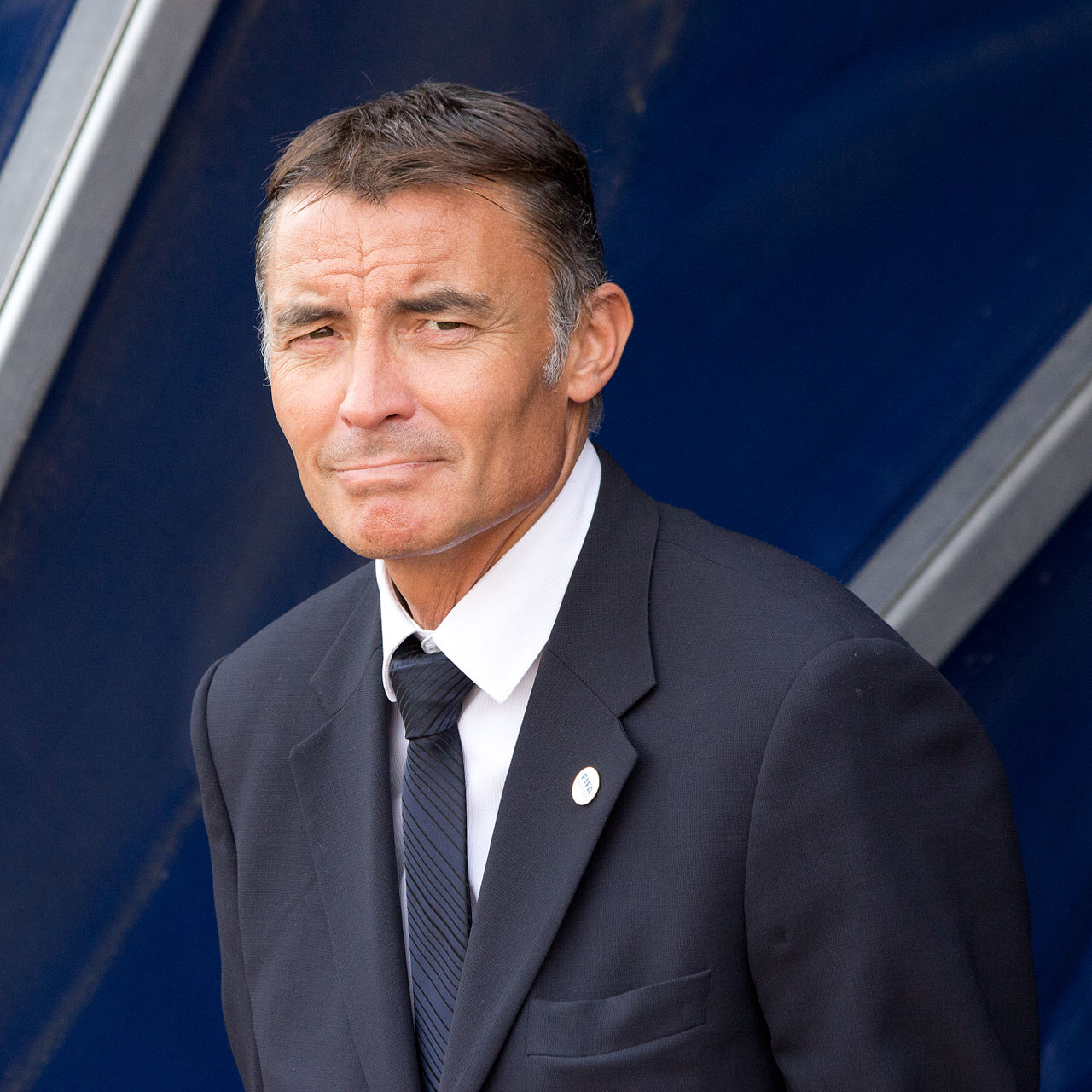
Manuel Enrique Mejuto González (born 16 April 1965) is a retired Spanish football referee who officiated at domestic and international level. He spent many seasons in Spain's top division and was included on the FIFA list of international referees in 1999, enabling appointments to UEFA and FIFA competitions.
Image gallery
3 Images

Early life and background
Mejuto was born in La Felguera, Asturias, and combined his refereeing career with work outside the sport. He is known to have worked as a civil servant. Like many elite officials, he progressed from regional fixtures to the national stage through assessments and promotion within the Spanish refereeing system.
Domestic and international career
At national level Mejuto refereed regularly in La Liga and domestic cup competitions. After becoming FIFA-listed in 1999 he took charge of international friendlies, qualifying matches and UEFA club ties. Appointment to major matches and finals is generally regarded as recognition of experience and consistency.
2005 UEFA Champions League Final
The most prominent appointment of his career was the 2005 UEFA Champions League Final in Istanbul, between Liverpool and Milan. That match, often remembered as the "Miracle of Istanbul," featured a dramatic Liverpool comeback from 0–3 to 3–3 and was decided on penalties. As referee, Mejuto was responsible for applying the Laws of the Game and managing a high-pressure, widely viewed fixture.
Role, responsibilities and refereeing style
Top-level referees are expected to enforce the Laws of the Game, manage players and team officials, and ensure safety while keeping the match fluid. Officials combine physical fitness, detailed rule knowledge and match-management skills. Observers and governing bodies judge referees on consistency, decision-making in critical incidents and control of the match environment.
Retirement and legacy
Mejuto retired from active refereeing in August 2010 after a long career at the highest levels of the sport. His career trajectory—from regional matches to national league fixtures and international finals—illustrates the pathway available to referees who reach elite status. His work remains a reference point in discussions about Spanish officials and their contribution to European competitions such as the UEFA Champions League.
Context and further reading
- Typical duties of referees in league and cup competitions.
- Selection and assessment processes used by national associations and FIFA.
- Regional football development in Asturias and the town of La Felguera.
- Historical accounts of the 2005 Champions League Final and its lasting notoriety.
For concise biographical summaries see entries on refereeing pathways and profiles of match officials who have taken charge of major UEFA finals. The role of the referee remains central to the organisation and fairness of competitive football at all levels.
For a general description of the referee role, and examples of match appointments, consult resources linked to the term referee.
Related articles
Author
AlegsaOnline.com Manuel Mejuto González — Spanish football referee Leandro Alegsa
URL: https://en.alegsaonline.com/art/125795