
Lyman Hall (1724–1790) — Georgia signer of the Declaration of Independence
Physician, planter and political leader who signed the U.S. Declaration of Independence for Georgia and later served his state; Hall County, Georgia, bears his name.
Overview
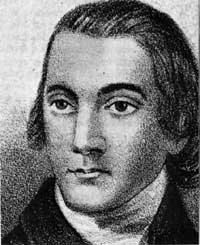
Lyman Hall (April 12, 1724 – October 19, 1790) was an American political leader best known as one of the signers of the Declaration of Independence representing Georgia. A trained physician who became involved in colonial politics, Hall joined the movement for independence and sat in the national assembly that directed the struggle for self-government.
Image gallery
4 Images


Early life and career
Born in colonial Connecticut, Hall trained in medicine and worked as a physician before relocating to the southern colonies. In Georgia he combined medical practice with farming and local civic activity. His background in practical professions and community affairs helped establish his reputation among local leaders and voters.
Role in the American Revolution
Hall served as a delegate to the Continental Congress, where he participated in discussions and decisions during the crisis with Britain. As a delegate for Georgia he attached his signature to the Declaration, joining other provincial representatives in affirming independence. His vote and signature contributed to Georgia’s formal break with Britain.
Later service and legacy
After the Revolution Hall continued in public life, holding state office and taking part in the difficult work of restoring civil government after years of war. He served a term as governor of Georgia in the early 1780s and remained active in civic matters until his death in 1790. His name is commemorated in places and institutions in the state.
Notable facts
- Birth and death: April 12, 1724 – October 19, 1790.
- Signer of the Declaration of Independence for Georgia.
- Served in the Continental Congress and later in Georgia state government.
- Hall County in Georgia is named in his honor.
Lyman Hall is remembered as one of the Founding Fathers who transitioned from professional life into revolutionary leadership. His career illustrates the varied paths—medical, agricultural and civic—by which colonial Americans became engaged in the revolution and the creation of new state governments.
Related articles
Author
AlegsaOnline.com Lyman Hall (1724–1790) — Georgia signer of the Declaration of Independence Leandro Alegsa
URL: https://en.alegsaonline.com/art/125587