
Lynne Stewart: American defense attorney and controversial advocate
Profile of Lynne Stewart (1939–2017), a U.S. defense lawyer known for representing unpopular defendants, her conviction in the Omar Abdel‑Rahman case, and the legal and ethical debates that followed.
Overview
Lynne Irene Stewart (October 8, 1939 – March 7, 2017) was an American criminal defense attorney who gained national attention for defending controversial, marginalized, and politically unpopular clients. Over a long career she became a symbolic figure in debates about the duties of defense counsel, the limits of attorney‑client communications, and national security prosecutions. For a general profile see her professional profile.
Image gallery
3 Images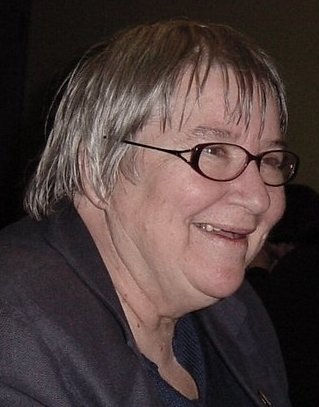


Practice and public image
Stewart built a reputation as a zealous, outspoken advocate for clients who lacked resources or broad public sympathy. Her work often intersected with political causes and civil liberties issues, leading to both admiration from civil‑rights supporters and condemnation from opponents who viewed some of her clients as dangerous. Major press outlets sometimes characterized her in political terms; for example, The New York Times described her as a "radical leftist American lawyer" in commentary about her career and controversies (read more).
Abdel‑Rahman case and conviction
Stewart's most prominent legal trouble arose from her representation of Sheikh Omar Abdel‑Rahman, an Egyptian cleric convicted in the 1990s in a plot involving planned terrorist attacks. In 2005 she was convicted of helping to transmit messages from Abdel‑Rahman to his supporters, conduct that prosecutors argued violated restrictions designed to prevent the dissemination of instructions that could facilitate violence. The case drew intense attention because it raised questions about whether an attorney's efforts to communicate on a client's behalf crossed legal lines when national security concerns are present; court materials and commentary on the trial are available via the Abdel‑Rahman case records.
Legal issues and debate
Her conviction sparked a broader discussion about the balance between vigorous legal representation and public safety. Supporters claimed she was protecting basic rights and performing her duties as counsel, while critics argued her actions undermined restrictions imposed to prevent further criminal activity. Her prosecution became a touchstone in debates over government authority, attorney ethics, and how terrorism‑related prosecutions should be handled.
Later years and legacy
Stewart served part of her sentence and later received release on health grounds. She died in 2017. Her career continues to be cited in legal education and public discourse when examining attorney responsibilities, client confidentiality, and the tensions that arise in cases involving national security. Scholars and practitioners still reference her story when discussing how courts and legislatures should balance competing interests.
Notable points
- Known for defending marginalized and politically controversial defendants.
- Convicted in 2005 for conduct related to communications by a convicted client.
- Case highlighted conflicts between attorney advocacy and national security concerns.
Related articles
Author
AlegsaOnline.com Lynne Stewart: American defense attorney and controversial advocate Leandro Alegsa
URL: https://en.alegsaonline.com/art/125593