
Lutz Graf Schwerin von Krosigk
German conservative statesman (1887–1977), long-serving finance minister during the Weimar and Nazi periods and brief head of the short-lived Flensburg government in 1945.
Johann Ludwig "Lutz" Graf Schwerin von Krosigk (22 August 1887 – 4 March 1977) was a German aristocrat and career civil servant best known for his long tenure as Reich Minister of Finance and for briefly leading the short-lived Flensburg government after Adolf Hitler's death. His professional life spanned the late Imperial period, the Weimar Republic and the Third Reich, and his name is often discussed in studies of wartime administration and accountability.
Image gallery
4 Images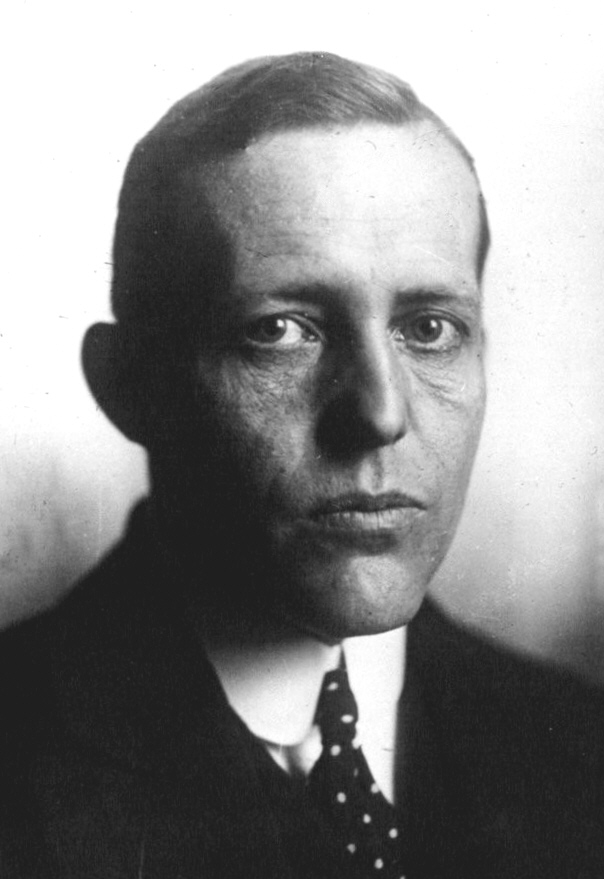


Early life and career
Born into a noble family, Schwerin von Krosigk trained in law and entered the higher civil service. He advanced through financial and administrative posts during the crisis years of the Weimar Republic. Known for a conservative outlook and traditionalist manner, he came to national prominence as a technocratic minister whose expertise in fiscal matters made him a fixture in successive cabinets.
Role as Finance Minister
Appointed Reich Minister of Finance in 1932, he retained that portfolio through the transition to the National Socialist regime and throughout the war years. His ministry was responsible for shaping budgets, taxation and financial administration during a period of rapid rearmament and the expansion of the wartime economy. As a non-party professional minister, he worked within the structures of the Nazi state while remaining distinct from its political leadership in background and formal affiliation.
Final weeks of the Third Reich and the Flensburg government
After Hitler's suicide in April 1945, the head of the navy, Karl Dönitz, appointed Schwerin von Krosigk to lead the government based at Flensburg in northern Germany. In this role — sometimes described as "Leading Minister" — he delivered broadcasts announcing the new administration's intentions during the brief interval before the Allies took control. The Flensburg government lasted only a few weeks before it was dissolved by the occupying powers.
Postwar detention and legacy
Detained by Allied authorities after the collapse of Nazi Germany, Schwerin von Krosigk was held for investigation and subsequently became a defendant in the Ministries Trial, one of the Subsequent Nuremberg Proceedings where officials' wartime actions were examined. His long public career and participation in the apparatus of the state have made him a subject of historical scrutiny, particularly in discussions of continuity between pre‑Nazi institutions and the Nazi administration. He died in 1977.
Notable facts
- Full name and title: Johann Ludwig "Lutz" Graf Schwerin von Krosigk — "Graf" indicates a countly title incorporated into his name.
- Major office: Reich Minister of Finance (1932–1945), spanning Weimar and Nazi governments.
- Brief leadership: Head of the short-lived Flensburg government in May 1945 under President Karl Dönitz.
- Further reading: additional sources on his life and role.
Related articles
Author
AlegsaOnline.com Lutz Graf Schwerin von Krosigk Leandro Alegsa
URL: https://en.alegsaonline.com/art/125575