
Louise Élisabeth of France, Duchess of Parma (1727–1759)
Eldest daughter of Louis XV, Louise Élisabeth married Infante Philip of Spain and became Duchess of Parma, playing a prominent role in mid‑18th century Bourbon dynastic politics and cultural life.
Overview
Marie Louise Élisabeth de France (14 August 1727 – 6 December 1759), usually called Louise Élisabeth, was the eldest daughter of King Louis XV of France and Queen Maria Leszczyńska. Born into the French royal family, she carried the rank and expectations of a fille de France and became a significant Bourbon figure through her marriage into the Spanish branch of the dynasty. She later served as Duchess of Parma, where her name became associated with courtly display, dynastic ambition and cultural exchange between France, Spain and Italy.
Image gallery
9 Images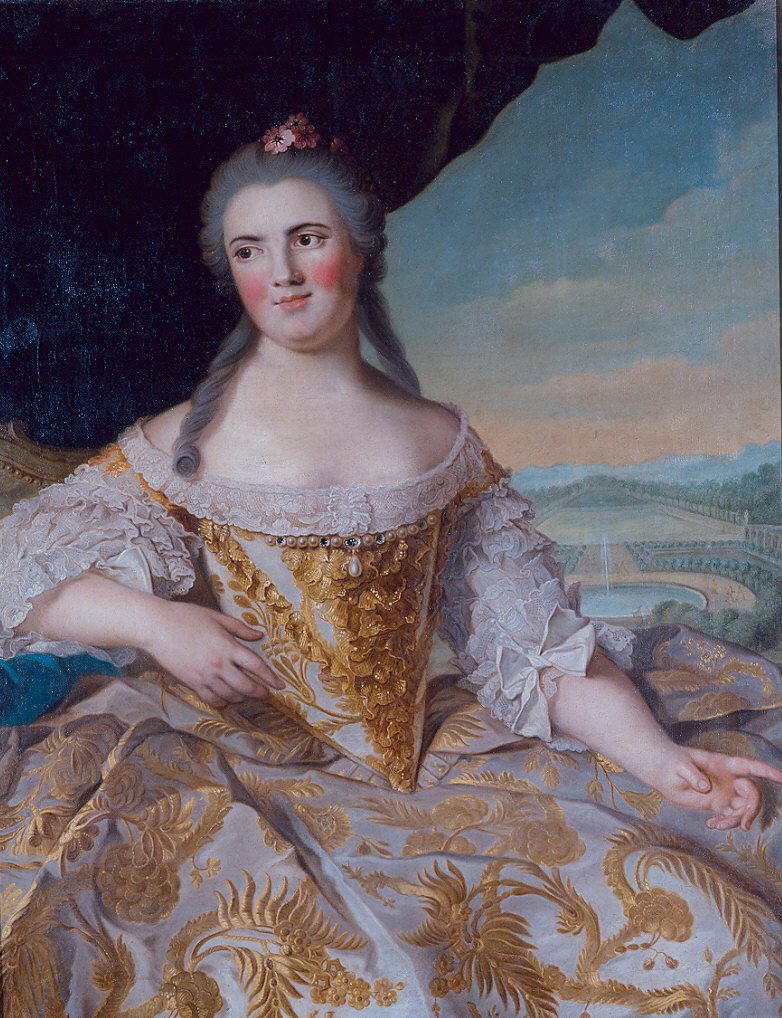


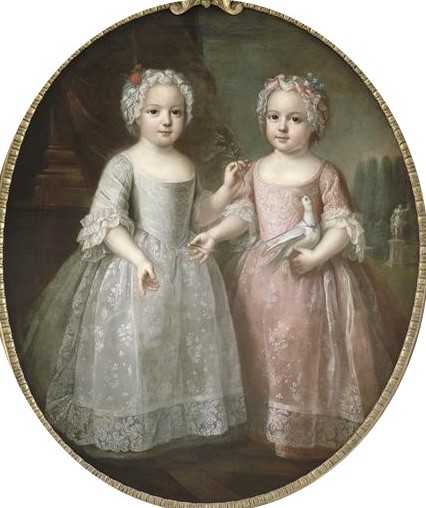


Early life and marriage
As the eldest surviving daughter at the French court, Louise Élisabeth was brought up within the etiquette and politics of Versailles. Her marriage was arranged to strengthen Bourbon ties across Europe: she wed Infante Philip, a younger son of Philip V of Spain, uniting branches of the same royal house. The match exemplified mid‑18th century dynastic diplomacy, in which daughters of reigning monarchs were used to cement alliances and transmit influence.
Duchess of Parma
Following the diplomatic reshuffling after the War of the Austrian Succession, Philip became Duke of Parma. As his consort, Louise Élisabeth moved to Italy and assumed the role of duchess. In Parma she sought to apply French court customs and tastes, fostering the arts and reorganizing aspects of court life to reflect Bourbon fashions. Contemporary observers noted her vivacity, strong will and penchant for ceremonial splendour; these traits shaped perceptions of her rule while also generating friction with local and Spanish officials.
Politics, patronage and personality
Louise Élisabeth was politically engaged for a consort: she pursued a pro‑French orientation for Parma and attempted to influence appointments and alliances in the duchy. Her court became a site of cultural interchange—hosting music, architecture and fashions that blended French and Italian elements. At the same time, her taste for ostentation and her forceful manner sometimes provoked criticism and rivalry among European courtiers and ministers.
Family and legacy
Her children carried on important dynastic roles: notably her daughter became the wife of a leading Habsburg ruler, and her son succeeded as Duke of Parma, continuing the Bourbon‑Parma line. Through these marriages and successions, Louise Élisabeth’s brief life had a lasting dynastic impact across European courts. She died in 1759 at the age of 32; historians view her as a vivid example of how royal women of the period shaped politics and culture by marriage, patronage and personal ambition.
Notable facts
- She was the eldest daughter of Louis XV and thus ranked among the highest female members of the French royal family.
- Her marriage linked the French Bourbons with their Spanish relatives and helped establish Bourbon rule in Parma.
- Her children strengthened ties with other European dynasties, extending her influence after her death.
Questions and answers
Q: Who was Louise Élisabeth of France?
A: Louise Élisabeth of France was the eldest daughter of King Louis XV of France and Maria Leszczyńska.
Q: When was Louise Élisabeth of France born?
A: Louise Élisabeth of France was born on August 14, 1727.
Q: Who did Louise Élisabeth of France marry?
A: Louise Élisabeth of France married Infante Philip, younger son of Philip V of Spain.
Q: What did Louise Élisabeth of France become later in life?
A: Louise Élisabeth of France later became Duchess of Parma.
Q: Who was Louise Élisabeth of France's father?
A: Louise Élisabeth of France's father was King Louis XV of France.
Q: Who was Louise Élisabeth of France's mother?
A: Louise Élisabeth of France's mother was Maria Leszczyńska.
Q: When did Louise Élisabeth of France die?
A: Louise Élisabeth of France died on December 6, 1759.
Related articles
Author
AlegsaOnline.com Louise Élisabeth of France, Duchess of Parma (1727–1759) Leandro Alegsa
URL: https://en.alegsaonline.com/art/125350