
Louise Brooks: Silent Film Star, Dancer, and Cultural Icon
American dancer and actress Louise Brooks (1906–1985) was a silent-film star and fashion icon, famed for her bob haircut, key roles in Weimar cinema, candid writings, and later critical rediscovery.
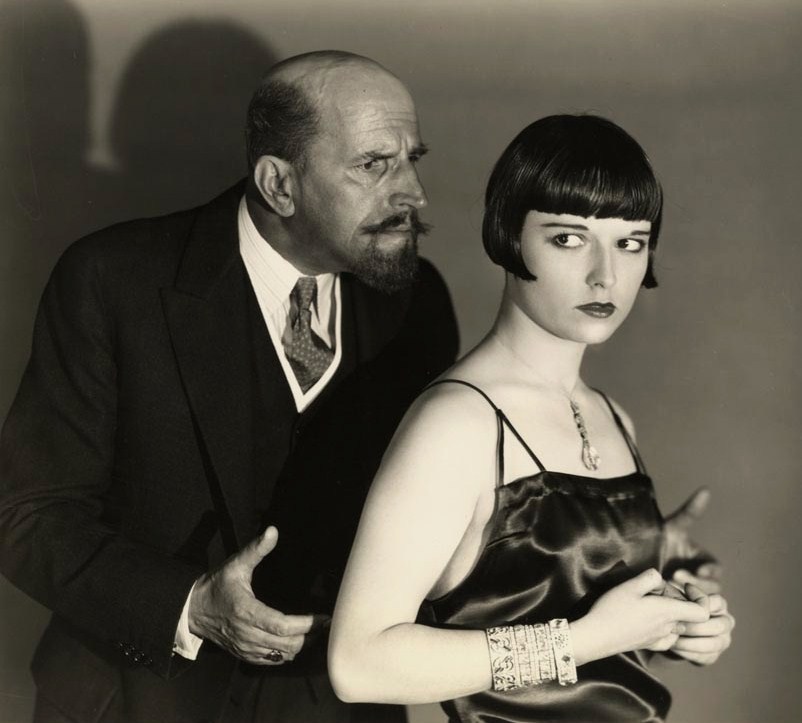
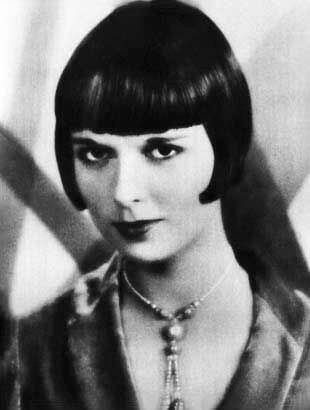
Overview: Louise Brooks was born in Cherryvale, Kansas in 1906 and died in Rochester, New York in 1985. She began her career as a professional dancer and moved into motion pictures at a time when the screen required a highly physical, pantomimic style. Brooks became an internationally recognized actress during the late silent era and is remembered for her distinctive look — most notably a short bob haircut — and for performances that captured the cultural tensions of the 1920s and early 1930s. Her image remains a frequent reference in film history and fashion studies, celebrated as a style touchstone and enduring icon.
Image gallery
10 Images




Early life and dance background
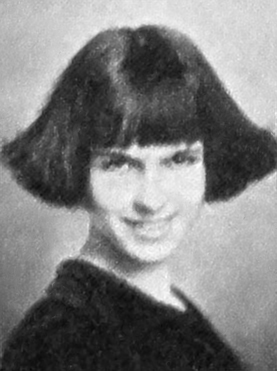
Brooks trained and worked professionally as a dancer before joining theatrical revues and touring shows. Her early stage work included chorus lines and variety performances typical of vaudeville and popular musical theatre of the period. That dance training contributed to her screen presence: she combined athletic physicality with precise gesture and stillness, qualities that translated well to silent cinema and helped define a modern, sophisticated persona in photographs and publicity.
Major films and signature roles
After establishing herself in American silent films, Brooks traveled to Europe and appeared in several notable German productions. Her portrayal of Lulu in G. W. Pabst’s Pandora's Box (1929) and her performance in Diary of a Lost Girl are widely regarded as defining work of the late silent era, capturing a mix of vulnerability, defiance and tragic fate. These roles consolidated her reputation as an archetypal flapper and a complex screen presence who could suggest both glamour and social critique.
Career decline, writing, and critical rediscovery
The transition to sound and difficult studio relationships led to a decline in leading film work, and Brooks spent later years away from major screen roles. She wrote essays, memoir fragments and candid reminiscences that offered frank observations on acting, the studio system and the silent era; these writings contributed to a reappraisal of her career by later generations. Film scholars, critics and restorers played a significant role in reviving interest in her films, making preserved prints and new home-video editions available to contemporary audiences.
Legacy and cultural influence
Brooks’s influence extends beyond cinema into fashion and popular culture: the bob she popularized became associated with modernity and female independence in the 20th century. Her life story — early fame, professional setbacks, blunt public voice and eventual recognition — has been the subject of biographies, retrospectives and museum exhibits. The centenary of her birth in 2006 brought restored releases, essays and screenings that reaffirmed her place in film history (centenary releases and exhibits).
- Notable films: Pandora's Box; Diary of a Lost Girl; a selection of American silent features.
- Distinctive traits: the bob haircut, candid commentary, and a dancerly screen presence.
- Continued relevance: studied in film courses and cited in histories of 20th-century style and cinema.
For further research and archival materials consult biographical studies, restored film releases and museum displays that trace Brooks’s journey from the American Midwest to international screens. Additional information and specialist resources can be found through entries and collections that detail her birthplace, later life, early dance work, screen roles, influence on style and continuing status as a cultural icon. See also curated material and commemorative publications associated with the 2006 centenary.
Questions and answers
Q: Who is Louise Brooks?
A: Louise Brooks was an American dancer and actress who became a leading movie star and style icon.
Q: What was Louise Brooks famous for?
A: Louise Brooks was famous for her beauty and her bobbed hair style that became an iconic symbol of the 1920s.
Q: What was celebrated in 2006?
A: In 2006, the centenary of Louise Brooks' birth was celebrated through the release of three DVDs and three books, museum exhibits, screenings, and other events.
Q: Where was Louise Brooks born?
A: Louise Brooks was born in Cherryvale, Kansas.
Q: When was Louise Brooks born?
A: Louise Brooks was born on November 14, 1906.
Q: When did Louise Brooks die?
A: Louise Brooks died on August 8, 1985, in Rochester, New York.
Q: What was Louise Brooks' profession?
A: Louise Brooks was a dancer and actress who became a leading movie star and style icon.
Related articles
Author
AlegsaOnline.com Louise Brooks: Silent Film Star, Dancer, and Cultural Icon Leandro Alegsa
URL: https://en.alegsaonline.com/art/125352