
Rivers of Lithuania: overview and major waterways
An encyclopedia-style overview of Lithuania's rivers, their characteristics, major examples, historical and ecological significance, uses, and transboundary aspects.
Lithuania is drained by a dense network of rivers that flow across lowland plains toward the Baltic Sea. Rivers shape the country's landscape, support wetlands and forests, and have long influenced settlement, transport and agriculture. Most Lithuanian rivers are part of the Baltic Sea basin and feed larger waterways or coastal lagoons.
Image gallery
1 Image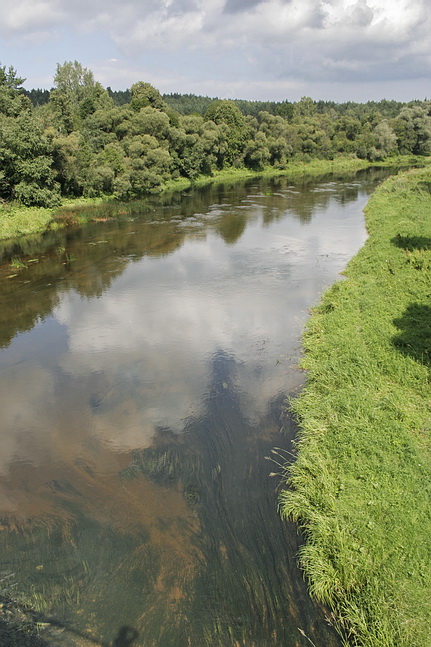
Characteristics and drainage
Rivers in Lithuania tend to be slow-flowing and meandering in their lower courses, with many floodplains, oxbow lakes and marshes. The national river system includes both primary trunk rivers and numerous smaller tributaries. Seasonal fluctuations are common, with higher water in spring from snowmelt and lower flows in summer. Many rivers empty directly into the Baltic or into larger rivers that reach the sea.
Major rivers
- Nemunas (Neman) — the largest and most prominent river associated with Lithuania; it dominates the southern and western drainage and reaches the Baltic through a broad delta.
- Neris — flows through the capital city and is an important central Lithuanian river; it continues beyond the country's borders.
- Šešupė — a significant western/ southern watercourse that crosses several jurisdictions within the region.
- Venta, Minija, Merkys, Jūra, Šventoji — other notable rivers, each important for local ecology, towns and landscape variety.
For a concise ranking of the longest rivers in Lithuania, see the compiled list of principal waterways: Longest rivers in Lithuania.
History, economy and ecology
Historically rivers were corridors for trade and settlement; towns often arose on their banks. In modern times they remain important for freshwater supply, recreation, small-scale hydropower and fisheries. Many river valleys support protected habitats and are included in landscape reserves or Natura 2000 sites because of their wetlands, migratory bird populations and rare plants.
Some Lithuanian rivers are transboundary, requiring international cooperation on water quality, flood management and biodiversity conservation. Efforts to restore natural floodplains and improve fish passage have become part of regional river management. Studies, maps and national registers provide detailed names and statistics for researchers and the public.
Related articles
Author
AlegsaOnline.com Rivers of Lithuania: overview and major waterways Leandro Alegsa
URL: https://en.alegsaonline.com/art/125037
Sources
- www3.lrs.lt : List of lakes, dams, and rivers of national importance
- lietuva.lt : Lithuania Central Internet Gates - Waters