
Rivers of Idaho: Major waterways and drainage basins
Organized overview and representative list of Idaho's rivers, their drainage basins, ecological and human uses, and notable features.
Idaho is crossed by a dense network of rivers that shape its landscapes, support fisheries and agriculture, and connect the state to the Pacific via the Columbia River system. Rivers in Idaho range from large salmon-bearing waterways to small interior streams that terminate in closed basins. Many of the state's best-known rivers are tributaries of the Snake River, itself the primary Idaho artery.
Image gallery
1 Image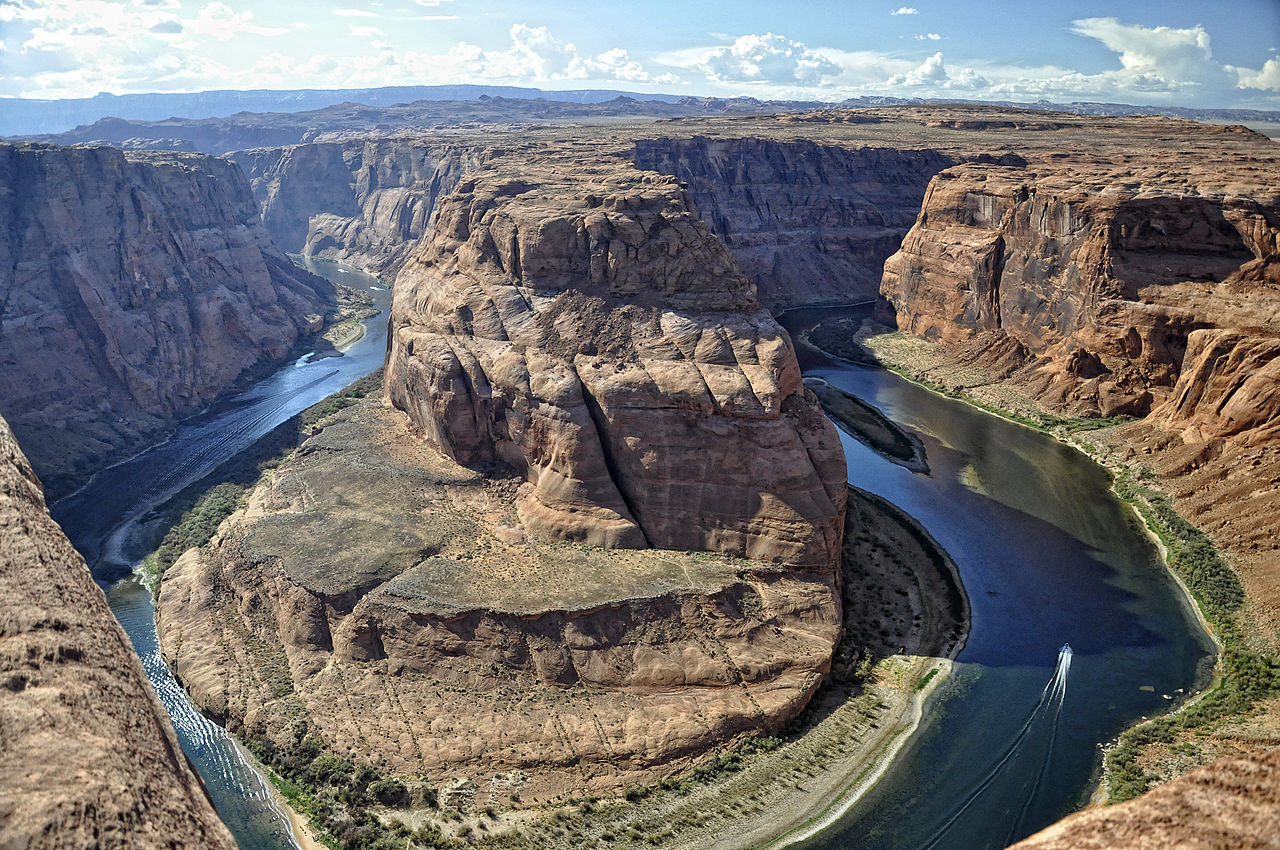
Characteristics and drainage patterns
Most Idaho rivers drain westward into the Columbia River basin through the Snake River. In the northern panhandle, some rivers flow into Lake Pend Oreille and onward via the Pend Oreille and Kootenai systems. In southern and central Idaho there are also interior or endorheic basins where streams disappear into sinks or saline lakes rather than reaching the ocean.
Major rivers and tributaries (representative)
- Snake River — the dominant trunk of the state, with many tributaries including the Salmon River, Payette River, Boise River and Weiser River.
- Salmon River — a large, free-flowing tributary of the Snake noted for rugged canyons and anadromous fish runs.
- Clearwater River — in north-central Idaho, joining the Snake near Lewiston and associated with extensive tributaries like the Lochsa and Selway.
- Coeur d'Alene, St. Joe, and Kootenai rivers — panhandle systems that drain into Lake Pend Oreille or flow northward to Canada and back toward the Columbia.
- Owyhee and Bruneau rivers — in southwestern Idaho, important for desert canyons and tributary habitat.
- Interior streams — such as the Big Lost River and Little Lost River, which empty into sinks and do not reach the ocean.
Uses and ecological importance
Idaho rivers provide irrigation for agriculture, hydroelectric power, recreation (fishing, rafting, boating), and habitats for native fish and wildlife. Salmon and steelhead historically migrated far into Idaho tributaries; modern dams and water management have altered those patterns and continue to be central to conservation and policy discussions.
For maps, hydrologic details, and fuller lists of named streams and tributaries, consult regional river inventories or state resources: river resource index and Idaho water information. A comprehensive directory will include both perennial rivers and seasonal or intermittent streams, as well as distinctions between mainstem rivers and their many tributaries.
Related articles
Author
AlegsaOnline.com Rivers of Idaho: Major waterways and drainage basins Leandro Alegsa
URL: https://en.alegsaonline.com/art/125016