
List of Crossings of the River Thames
Comprehensive guide to bridges, tunnels, ferries and other crossings of the River Thames, their types, history, distribution and significance from the estuary upstream.
The River Thames, running from its upper reaches in the English countryside through London to the North Sea, is crossed by a wide variety of structures and services. This article summarizes the known crossings of the Thames — including road and foot bridges, rail bridges, tunnels, public ferries and the remaining ford — and explains how the list is organised. For a general index see River Thames crossings.
Image gallery
10 Images




Types of crossing
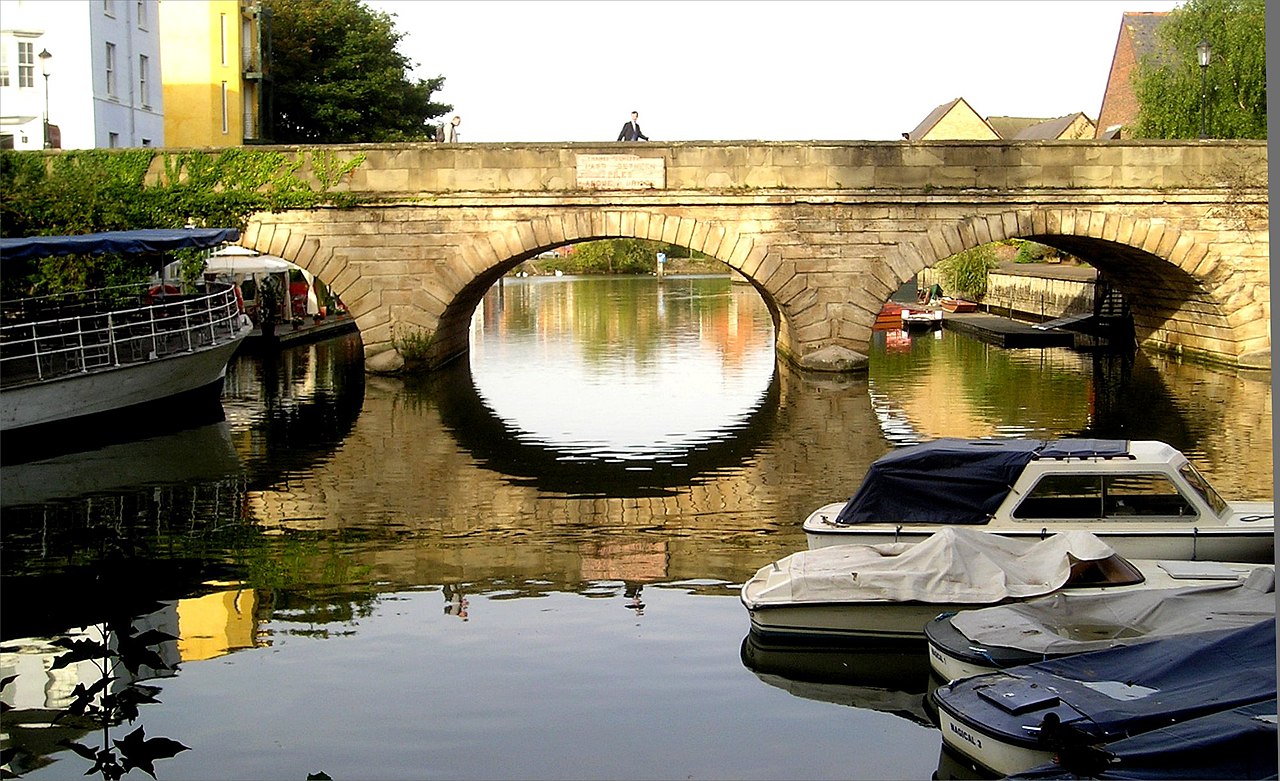
Crossings fall into several broad categories. Bridges carry road, rail, foot or combined traffic and are the most numerous. Tunnels provide underground passage for vehicles, trains or utilities. Ferries operate where a fixed crossing is impractical or to preserve a historic service. A small number of specialised crossings — lock gates with walkways, seasonal pontoons or a single remaining ford — also permit passage.
- Bridges — masonry, iron, steel and modern composite spans, varying from small rural footbridges to major city crossings.
- Tunnels — bored or immersed tubes under the river, chiefly serving road and rail traffic.
- Ferries — vehicle and passenger ferries that still operate for commuters or as tourist links.
Geography and ordering
The canonical listing of Thames crossings typically begins at the downstream (estuary) end and proceeds upstream toward the river's source. The estuarial and tidal sections near the coast have fewer, larger crossings, while the segments through Greater London contain a dense cluster of bridges and tunnels. For reference to the estuary terminus see the estuary.
History and development
Crossings of the Thames reflect the river's longstanding importance as a transport corridor. Early wooden and fording points gave way to stone bridges in medieval times; the Industrial Revolution and the arrival of railways prompted a surge in specialised engineering works. In the 19th and 20th centuries, tunnels and larger cantilever and suspension bridges were built to cope with urban growth. New pedestrian-only bridges and replacement structures continue to be added in response to changing transport and safety needs.
Usage, navigation and ancillary crossings
Beyond serving road and rail traffic, many crossings interact with river navigation, flood defence and recreational uses. Locks, weirs and associated footpaths provide frequent local crossing points: some locks have authorised walkways that allow river-side passage but do not constitute general public crossings. A number of pedestrian-only crossings make use of walkways across lock gates or alongside weirs; see the note on pedestrian crossings and the role of weirs in some locations. In London, commuter and tourist boat services also offer informal cross-river journeys though their primary purpose is not lateral transport.
Notable distinctions and how the list is compiled
The compiled list distinguishes permanent public crossings from restricted, seasonal or private structures. It includes major bridges and tunnels used for general traffic and publicly accessible ferries; it usually omits lock-side walkways that do not provide a full public crossing or are limited to authorised personnel. Approximate counts of crossings change with new construction and demolition, but the Thames supports a few hundred bridges, several dozen tunnels and a handful of public ferry routes. The list is arranged downstream to upstream to reflect navigation practice and to make it straightforward to locate crossings in sequence along the river.
For navigational aids, photographs and an itemised table of crossings with coordinates and types, consult the detailed index at River Thames crossings and the specific sections for bridges, tunnels and ferries. Additional background on the estuary and tidal behaviour is available via estuary resources, while local guidance on walking and authorised lock access is provided through pages about pedestrian crossings and weirs and locks.
Questions and answers
Q: What types of crossings are included in the list of crossings of the River Thames?
A: The list includes bridges, tunnels, and ferries.
Q: How many bridges are included in the list of crossings of the River Thames?
A: There are almost 214 bridges included.
Q: Are all pedestrian crossings listed?
A: No, only a few of the public pedestrian crossings that make use of walkways across lock gates and bridges above or near-by weirs are listed.
Q: How many tunnels are included in the list of crossings of the River Thames?
A: There are over 20 tunnels included.
Q: Are all locks on the River Thames listed?
A: No, only the crossings with walkways that either fully cross the river or are for authorised people are listed.
Q: Are there any other types of boat services on the River Thames besides the ones listed?
A: Yes, there are commuter boat services in the city of London and tourist boat services running in London and upstream.
Q: What is the main purpose of the boat services on the River Thames?
A: Although the main purpose is not to carry people across the river, it may be possible to use them to do so.
Related articles
Author
AlegsaOnline.com List of Crossings of the River Thames Leandro Alegsa
URL: https://en.alegsaonline.com/art/124655