
Lindy Boggs (Marie Corinne Morrison Claiborne Boggs)
American politician and diplomat (1916–2013); first woman elected to Congress from Louisiana, longtime U.S. Representative and later U.S. Ambassador to the Holy See.
Marie Corinne "Lindy" Boggs (1916–2013) was an American politician and diplomat who broke gender barriers in Southern politics and served Louisiana in the U.S. House of Representatives for nearly two decades before representing the United States to the Holy See. Known for her pragmatic style, she combined attention to local needs with advocacy on national issues affecting women, families and regional development.
Image gallery
5 Images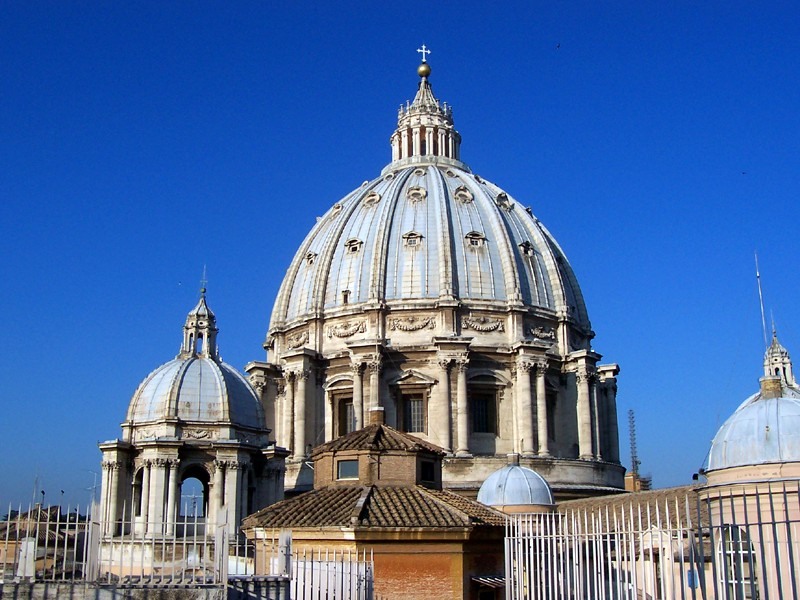


Early life and education
Born into a politically active Louisiana family, Boggs was raised in an environment steeped in civic affairs. She attended local schools and became involved in community and party activities that shaped her interest in public service. Her upbringing and connections in Louisiana politics provided a foundation for later work in Washington and in public life.
Family life and entry into Congress
She married Representative Thomas Hale Boggs, who rose to House leadership. After his plane disappeared in 1972, Lindy Boggs ran in the special election to succeed him and won, becoming the first woman elected to Congress from Louisiana. She served multiple terms through 1991, developing a reputation for attentive constituent service and effective navigation of a male-dominated institution.
Congressional career and priorities
In the House, Boggs was known for an ability to work across party lines and for focusing on issues important to her district: flood control, navigation, regional economic development and agricultural concerns. She also supported broader initiatives to expand opportunities for women and families and participated in national debates on social policy. During her tenure she served on prominent committees and held roles that reflected her seniority and the respect of colleagues.
Diplomatic service and later years
After leaving Congress, Boggs remained engaged in public life. In the late 1990s she was appointed U.S. Ambassador to the Holy See, a post she used to foster dialogue on humanitarian and social issues and to represent American interests to the Vatican. She retired from official roles but continued to be an active voice on civic matters until her death in 2013 at age 97.
Significance and legacy
Boggs is remembered for opening doors to women in Southern elected office, for steady constituent advocacy, and for mentorship of younger leaders. Her career is often cited as an example of how personal tragedy and public service combined to produce a long record of practical achievement and bipartisan respect.
Further reading and resources
Related articles
Author
AlegsaOnline.com Lindy Boggs (Marie Corinne Morrison Claiborne Boggs) Leandro Alegsa
URL: https://en.alegsaonline.com/art/124420
Sources
- washingtonpost.com : Former Rep. Lindy Boggs champion of civil rights died also was ambassador to the Vatican
- obits.nola.com : "Corinne "Lindy" Morrison Claiborne Boggs"
- katc.com : "Jindal orders flags at half staff in honor of Lindy Boggs, July 29, 2013"