
Linda Kozlowski
American former actress best known for playing Sue Charlton in the Crocodile Dundee films; Golden Globe nominee who largely withdrew from acting after the early 2000s.
Linda Kozlowski (born January 7, 1958) is an American former actress who rose to international attention in the mid-1980s. She is most widely recognized for her portrayal of Sue Charlton opposite Paul Hogan in the Crocodile Dundee film series, a role that brought her mainstream recognition and a Golden Globe nomination.
Image gallery
1 Image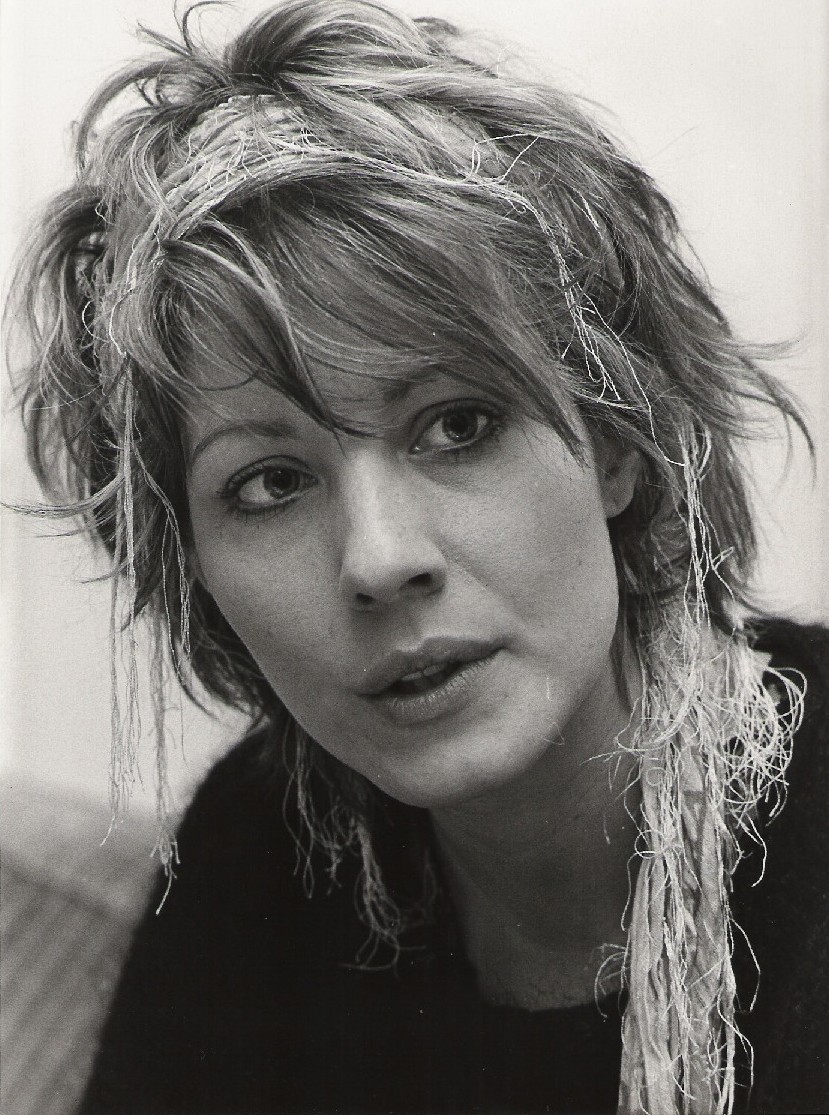
Early career and training
Kozlowski trained as an actor and began her career with stage and smaller screen roles before moving into feature films. Her background in theatre and acting techniques informed her performances, helping her transition from supporting parts to a leading role that required both dramatic and comedic timing.
Breakthrough and major roles
Her breakout came with Crocodile Dundee (1986), in which she played an American journalist who travels to Australia and forms a relationship with the film's iconic, outback-tough protagonist. The success of that film led to sequels and to Kozlowski becoming an internationally known screen presence.
- Crocodile Dundee (1986) — breakout role as Sue Charlton
- Crocodile Dundee II (1988) — reprised her role in the sequel
- Crocodile Dundee in Los Angeles (2001) — later series entry and one of her final major film appearances
Recognition and later career
Kozlowski received industry recognition for her work on film, including at least one Golden Globe nomination tied to her rise in the mid-1980s. After several film appearances through the 1990s and the early 2000s she stepped back from regular screen work and has kept a relatively private life since, appearing only occasionally in public or media retrospectives.
Impact and legacy
Her role as Sue Charlton is often cited as a central foil to the Crocodile Dundee character: the more worldly, urban counterpoint whose presence helped broaden the film's appeal beyond its comic, fish-out-of-water premise. Kozlowski's performance contributed to the franchise's commercial success and remains the role for which she is most frequently remembered.
Personal notes
Outside of acting, Kozlowski has maintained a low public profile. Contemporary accounts tend to emphasize her contributions to a major popular-culture phenomenon of the 1980s and her choice to live a more private life after a period of international visibility.
Related articles
Author
AlegsaOnline.com Linda Kozlowski Leandro Alegsa
URL: https://en.alegsaonline.com/art/124402
Sources
- people.com : "Paul and Linda Hogan Finalize Divorce"