
Lil' Kim (Kimberly Jones) — American rapper, actress, and cultural influence
Lil' Kim (born 1974) is an American rapper and actress known for her 1990s breakthrough, bold lyrical style and fashion influence, major collaborations, and impact on female representation in hip hop.
Overview
Kimberly Denise Jones, known professionally as Lil' Kim, is an American rapper and actress who emerged from Brooklyn's hip hop scene in the 1990s. She came to prominence as a member of the group Junior M.A.F.I.A. and through her solo work, which combined frank sexual themes, assertive delivery, and glamorized imagery. Her debut solo album made a notable commercial impact and she later appeared on prominent collaborative singles and film soundtracks.
Image gallery
2 Images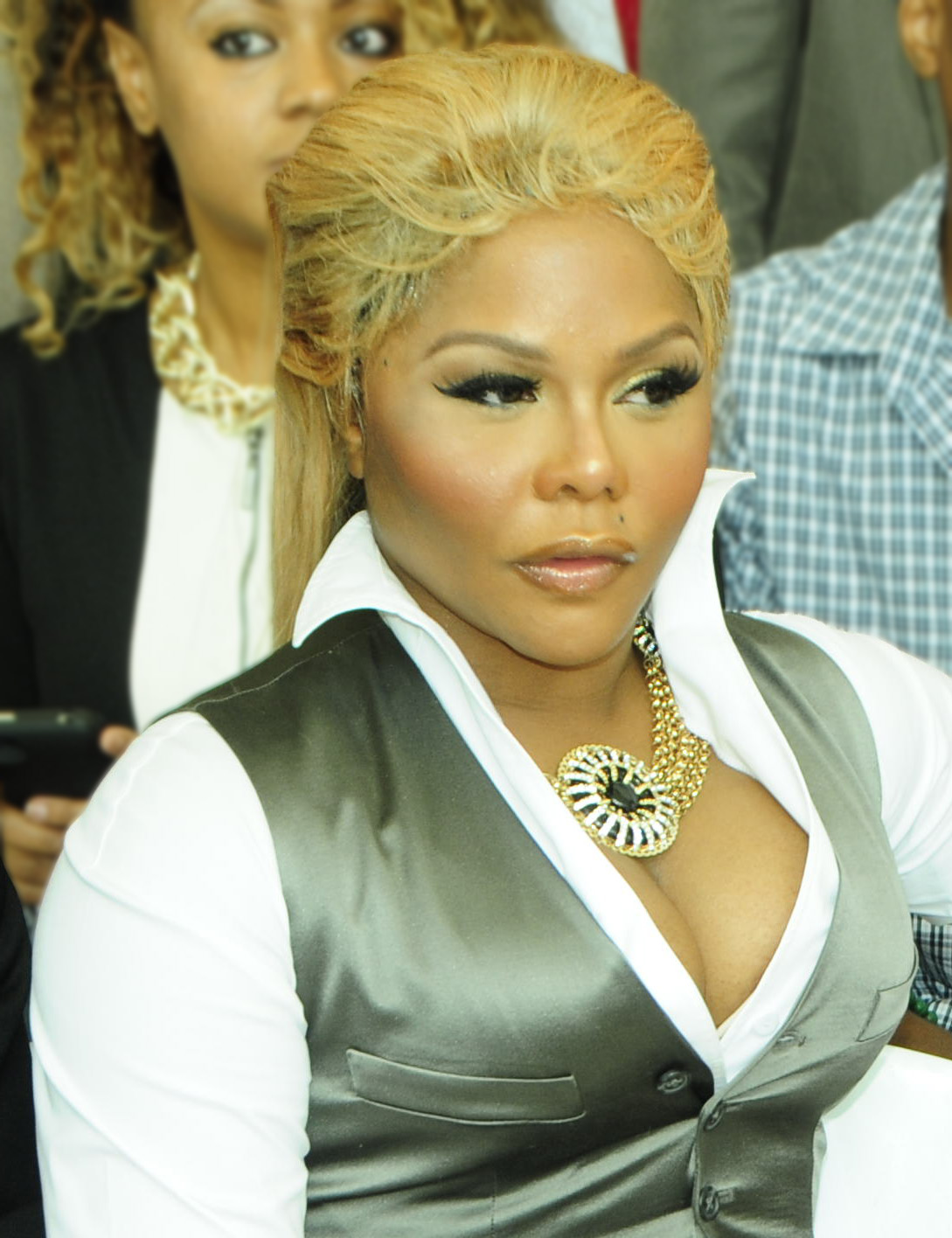

Early life and career beginnings
Born July 11, 1974, Lil' Kim began rapping as a teenager. She was introduced to a national audience through her association with the Brooklyn collective Junior M.A.F.I.A., which included the late Christopher "The Notorious B.I.G." Wallace. That affiliation helped her secure early studio opportunities. Her first full-length release as a solo artist arrived in the mid-1990s and established her as a leading female voice in a genre then dominated by men.
Major releases and collaborations
Over the next decade Lil' Kim released several studio albums and recorded many collaborations. Her early solo material was noted for its explicit lyrics and confident persona. She reached a wider pop audience through high-profile collaborations: in 2001 she joined Christina Aguilera, Mýa and Pink for a remake of "Lady Marmalade" recorded for a film soundtrack; the single reached the top of the US Billboard Hot 100 and international charts. Kim also contributed verses to other mainstream singles and worked with a range of artists across rap and pop, including a notable duet with Christina Aguilera that drew awards attention.
- Hard Core (debut solo album, 1996) — breakthrough release that brought commercial success.
- The Notorious K.I.M. (2000) — follow-up that expanded her image and sound.
- La Bella Mafia (2003) — continued presence in hip hop and pop culture.
- The Naked Truth (2005) — released amid legal challenges and later discussed as a raw artistic statement.
- Notable singles: collaborations such as "Lady Marmalade" and featured appearances on other artists' tracks.
Style, image and cultural impact
Lil' Kim's public persona combined sexually explicit lyricism with high-fashion aesthetics. She helped broaden acceptable lyrical content and visual presentation for women in hip hop, influencing subsequent generations of female rappers who embraced openness about sexuality alongside assertiveness and entrepreneurship. Her runway-ready outfits, makeup and provocative stage persona made her a fashion reference point beyond music.
Legal issues and later career
In the mid-2000s Lil' Kim faced legal troubles connected to testimony in a criminal case; she served a prison sentence and later returned to recording and performing. In the years that followed she continued to release music, make guest appearances, and remain active in popular culture. Critics and fans often note both her early commercial achievements and her role in shaping opportunities for women in rap.
Further reading and resources
For official profiles, interviews and discographies consult artist pages and music databases: official profile, archival interviews at media outlet, and catalog listings at music database. For background on the 2001 soundtrack single see the film's credits and production notes: soundtrack details. For broader context on 1990s hip hop and female artists' influence, refer to genre histories and critical retrospectives: genre overview.
Lil' Kim remains a prominent figure in discussions about gender, sexuality and power in popular music. Her combination of confrontational lyrics, pop collaborations and bold fashion choices make her a frequently cited example when tracing female artists' evolving roles within hip hop culture.
Related articles
Author
AlegsaOnline.com Lil' Kim (Kimberly Jones) — American rapper, actress, and cultural influence Leandro Alegsa
URL: https://en.alegsaonline.com/art/124357
Sources
- hiphopdx.com : hiphopdx.com/
- hiphopdx.com : "Lil' Kim "Hard Core" Release Date, Cover Art, Tracklist, Download & Mixtape Stream"
- google.com : "chris brown is cute - Google Search"