
Blush (Rouge) — Definition, Types, History and Uses
Blush, or rouge, is a cheek cosmetic used to add color, shape and perceived vitality. This entry explains forms, application techniques, historical development and how it differs from bronzer or highlighter.
Overview
Blush, also called rouge, is a cosmetic product applied to the cheeks to create color, dimension and the appearance of a fresh or healthy complexion. Typically available in pink, peach, coral and red tones, blush can enhance bone structure, soften features, or imitate a natural flush. It is part of the broader category of facial cosmetic products and appears in many formulations to suit different skin types and finishes.
Image gallery
10 Images




Common forms and characteristics
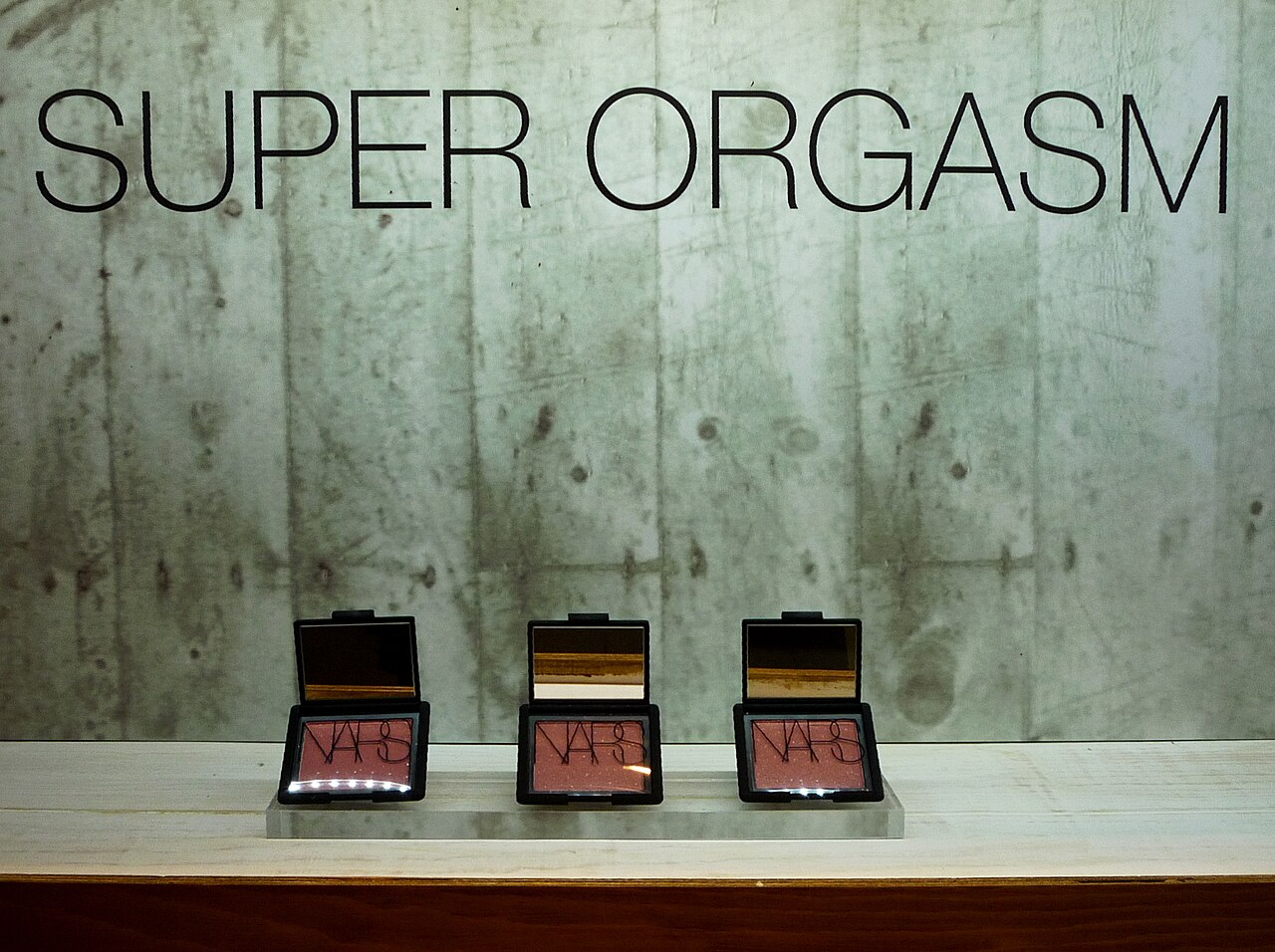
Modern blushes come in several forms that vary by texture and longevity. Common formats include powder, cream, gel, liquid and stick formulations. Finishes range from matte to satin to dewy or shimmer, and pigments are combined with binders, oils or powders to achieve stable color. Many formulas contain mica, iron oxides, or plant-derived oils; specialised versions are marketed as long-wear, hypoallergenic, or non-comedogenic for sensitive or acne-prone skin.
- Powder: versatile, good for oily skin and layering.
- Cream/liquid: provides a dewy look, blends with fingers or sponge.
- Gel/stain: tends to be long-lasting and lightweight.
History and cultural development
The use of cheek color traces back to ancient civilizations. Evidence suggests that people in ancient Nile Valley societies applied red pigments to the face as part of personal adornment and ritual practice; references to such usage appear in descriptions of ancient Egyptian cosmetics. Over centuries, facial coloring practices evolved across Greece, Rome and Asia, and changed again with shifting moral and social attitudes in Europe—most notably in the 18th and 19th centuries when cosmetics carried social stigma in some circles. The 20th century saw commercial mass production and a broadening of styles driven by cinema, photography and later social media.
Application techniques and uses
Blush is applied to different areas depending on the desired effect: apples of the cheeks for a youthful flush, higher on the cheekbone to lift, or swept along the hairline to warm the face. Tools include brushes, sponges and fingertips; cream products are often warmed before blending, while powders are layered lightly. Makeup artists combine blush with bronzer and highlighter to contour and illuminate. Beyond aesthetics, blush is used in theatrical and photographic work to restore color under bright lights or convey character traits.
- Choose a shade that complements your skin's undertone—cool, warm or neutral.
- Blend thoroughly to avoid harsh edges; build color gradually.
- Consider finish: matte for photographs to avoid shine, dewy for a natural glow.
Distinctions, safety and modern trends
Blush differs from bronzer, which darkens or warms the skin, and highlighter, which reflects light. Contemporary trends include multi-use cream products, clean-beauty formulations, and male grooming normalization; men increasingly use cheek color in both performance and everyday grooming contexts. As with all cosmetics, attention to hygiene (avoiding shared applicators and checking expiration) helps prevent irritation or infection. Consumers often select formulations based on skin type, desired wear time and ethical preferences such as cruelty-free or vegan ingredients.
Related articles
Author
AlegsaOnline.com Blush (Rouge) — Definition, Types, History and Uses Leandro Alegsa
URL: https://en.alegsaonline.com/art/12424