
Leonard Cohen: poet, songwriter and cultural icon
Leonard Cohen (1934–2016) was a Canadian poet, novelist, singer-songwriter and artist whose spare, profoundly lyrical work addressed religion, love, politics and mortality.
Overview
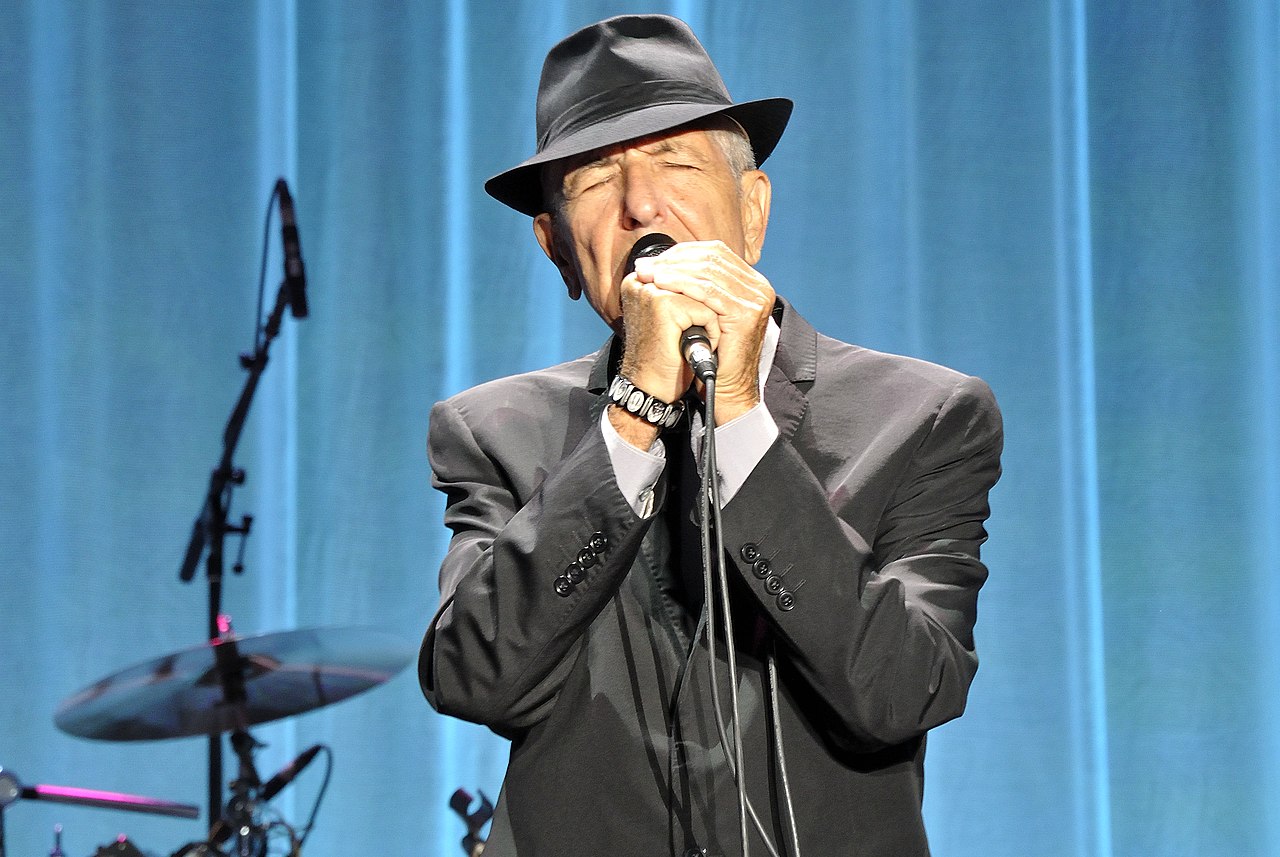
Leonard Cohen (September 21, 1934 – November 7, 2016) was a Canadian writer and musician whose career spanned more than five decades. Beginning as a poet and novelist in the 1950s and 1960s, Cohen moved into songwriting and recording in the late 1960s and became renowned for his slow, deeply expressive baritone, pared-back arrangements and densely allusive lyrics. His songs and poems explore themes of faith, desire, loss and memory, often using biblical and romantic imagery to probe moral and psychological questions.
Image gallery
9 Images




Style and themes
Cohen’s work blends literary and musical traditions: his background in poetry and fiction informed lyrics that read as compact narrative or philosophical meditation. Musically he worked in folk and popular idioms, sometimes accompanied only by guitar and voice, and at other times using fuller arrangements and synthesizers. Recurring motifs include spiritual longing, complicated romantic relationships, political observation and frailty of the self. His best-known piece, "Hallelujah," exemplifies his approach: spare music framing layered, enigmatic verses that invite reinterpretation.
Career and development
Born and raised in Montreal, Cohen attended McGill University and published poetry and two novels—The Favourite Game (1963) and Beautiful Losers (1966)—before turning to music. His first album, Songs of Leonard Cohen (1967), introduced songs such as "Suzanne" and established him as a distinctive voice on the singer-songwriter scene. Over the years he released influential albums including Songs from a Room, Various Positions and I'm Your Man, each marking shifts in production and public profile. In the 1990s he spent time in a Zen monastery, a period that affected both his outlook and later work. After a lengthy recording hiatus he undertook highly praised world tours from 2008 onward and completed late-career albums that reinforced his reputation for artistic renewal.
Selected works and collaborations
- Notable albums: Songs of Leonard Cohen (1967); Various Positions (1984); I'm Your Man (1988); Ten New Songs (2001).
- Books: Various poetry collections and two early novels (The Favourite Game; Beautiful Losers).
- Collaborators and interpreters: Cohen worked with producers and musicians across genres and his songs have been widely covered—artists such as Judy Collins, Jeff Buckley and k.d. lang brought renewed attention to his material.
Recognition and legacy
Cohen received many honors during and after his life. He was inducted into the Canadian Music Hall of Fame and the Canadian Songwriters Hall of Fame; he is also a member of the Rock and Roll Hall of Fame. In Canada he was appointed a Companion of the Order of Canada, the nation’s highest civilian honor. International awards included the Prince of Asturias Award for literature and the Glenn Gould Prize. His songs—most visibly "Hallelujah"—have entered popular culture through countless covers, film and television uses, and public tributes, securing his place as one of the most influential songwriters of the 20th and early 21st centuries.
Notable distinctions
- Transition from literary to musical fame: few contemporary artists began as both successful poets/novelists and then achieved broad influence as singer-songwriters.
- Enduring reinterpretability: Cohen’s lyrics routinely invite new arrangements and meanings, which has helped the songs remain present in changing cultural contexts.
- Late-career renaissance: tours and albums in his seventies and eighties brought him a new, global audience and critical reassessment.
Leonard Cohen’s body of work continues to be read, performed and studied for its singular combination of lyrical economy, emotional candor and philosophical depth. His influence reaches contemporary songwriting, poetry and performing art, and his songs remain frequently reinterpreted across media and generations.
Questions and answers
Q: Who was Leonard Cohen?
A: Leonard Cohen was a Canadian singer, songwriter, musician, poet, novelist, and painter.
Q: What was the subject matter of his work?
A: The subject matter of his work was mostly about religion, politics, sexuality, and personal relationships.
Q: What was his best known work?
A: His best known work was "Hallelujah".
Q: What awards and recognitions did Leonard Cohen receive?
A: Leonard Cohen was inducted into the Canadian Music Hall of Fame and the Canadian Songwriters Hall of Fame, as well as the Rock and Roll Hall of Fame. He was also a Companion of the Order of Canada, the nation's highest civilian honor. In 2011, Cohen received one of the Prince of Asturias Awards for literature and the ninth Glenn Gould Prize.
Q: When did Leonard Cohen pass away?
A: Leonard Cohen passed away on November 7, 2016.
Q: What other talents did Leonard Cohen possess?
A: Leonard Cohen was also a painter and novelist.
Q: What was the significance of his being a Companion of the Order of Canada?
A: Being a Companion of the Order of Canada was the nation's highest civilian honor, highlighting his contributions to Canadian society and culture.
Related articles
Author
AlegsaOnline.com Leonard Cohen: poet, songwriter and cultural icon Leandro Alegsa
URL: https://en.alegsaonline.com/art/124221
Sources
- news.google.com : "The trials of Leonard Cohen"
- spinner.ca : "Leonard Cohen to Receive Lifetime Achievement Award at 2010 Grammys"
- books.google.com : The International Who's Who
- hour.ca : "Inductee: Leonard Cohen – Into the consciousness – Hour Community"
- theguardian.com : "Hail, Hail, Rock'n'Roll"
- macleans.ca : "Leonard Cohen's third act – Macleans.ca"
- foxnews.com : "Leonard Cohen died in his sleep after fall, manager says – Fox News"
- everythingzoomer.com : "Leonard Cohen Muse Marianne Ihlen, of "So Long, Marianne", Passes Away"
- thestar.com : "Leonard Cohen’s muse Marianne Ihlen dies at age 81"
- webheights.net : "Knowing Rebecca de Mornay Like Only Leonard Cohen Can"
- thestar.com : "Montrealers make pilgrimage to Leonard Cohen's old haunts"
- billboard.com : "Leonard Cohen Died on Monday, Sony Confirms"
- washingtonpost.com : "Leonard Cohen, singer-songwriter of love, death and philosophical longing, dies at 82"
- montrealgazette.com : "Leonard Cohen died Monday, funeral held Thursday in Montreal"