
Lars Løkke Rasmussen
Danish politician, leader in the centre-right tradition, served two terms as Prime Minister (2009–2011, 2015–2019), long-time parliamentarian and government minister, later founder of a new centrist party.
Overview
Lars Løkke Rasmussen (born 15 May 1964 in Vejle) is a Danish politician known for leading centre-right governments and for a long career in national and local politics. He served as Prime Minister of Denmark in two non-consecutive periods and has held several senior ministerial posts. Rasmussen has been a prominent figure in the Liberal Party (Venstre) and later launched a centrist formation. His political career spans local government, national administration and party leadership.
Image gallery
9 Images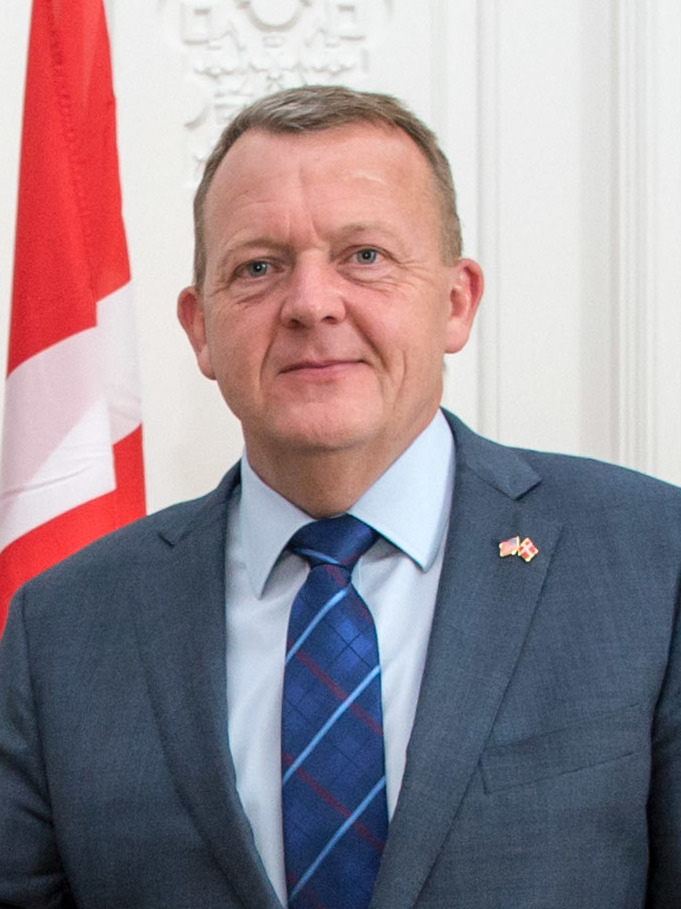


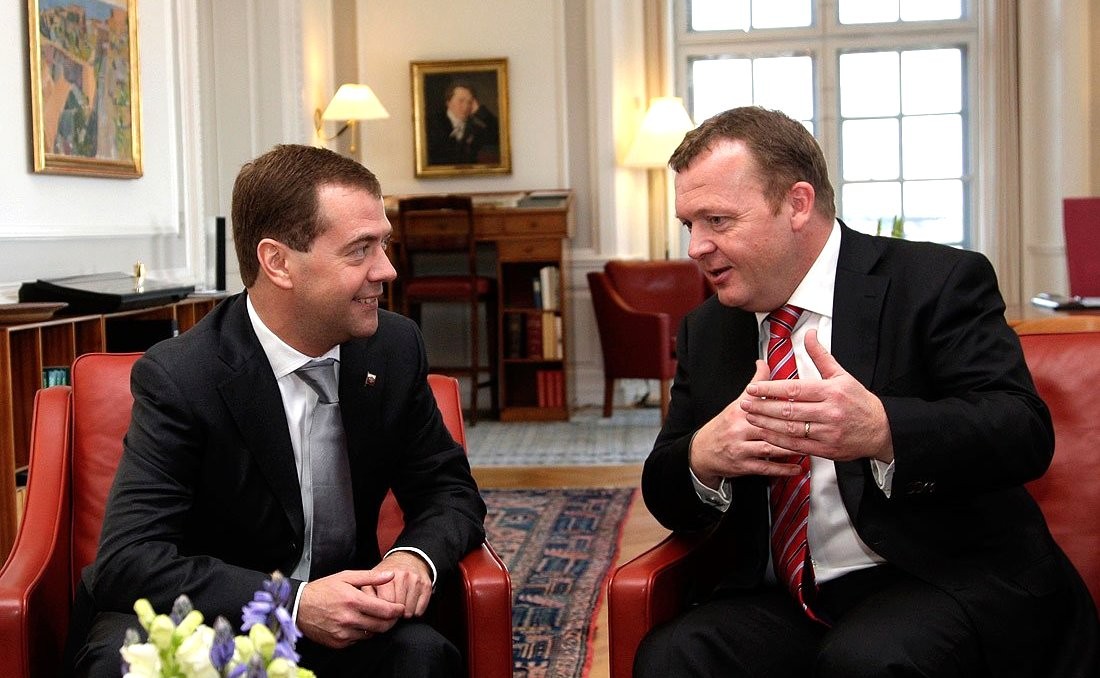

Early life and education
Rasmussen was born in Jutland and studied law at the University of Copenhagen, where he earned a degree that prepared him for public service. Early in his career he was active in local politics and administration. He became mayor of Frederiksborg County in 1998, a regional office north of Copenhagen that was later reorganised during the country’s municipal and regional reforms. His early years in municipal government helped build his profile within the Liberal Party and prepared him for national office.
Parliamentary and ministerial career
Rasmussen entered the Folketing, the Danish parliament, in 1994 and remained an MP for many years. He served in a sequence of cabinet roles in centre-right governments: from 2001 to 2007 he was Interior and Health Minister, and from 2007 to 2009 he was Finance Minister. These positions placed him at the centre of major administrative and fiscal decisions, including work connected to public-sector reform and budgeting. He succeeded Anders Fogh Rasmussen as Prime Minister in 2009 when Fogh Rasmussen left to become NATO Secretary General (NATO).
Terms as Prime Minister
Rasmussen led Danish governments during 5 April 2009–3 October 2011 and again from 28 June 2015–27 June 2019. His first term ended after a general election defeat in 2011; his second ended following the 2019 general election in which his coalition was narrowly defeated by the Social Democrats led by Mette Frederiksen (Mette Frederiksen) and he formally stepped down on 6 June 2019 (general election). During his premierships he emphasised fiscal discipline, reform of public services and a pragmatic approach to coalition politics. His second government was a minority coalition that relied on issue-by-issue cooperation with other parties in parliament.
Policies, style and controversies
Rasmussen's politics combined liberal economic policies with a tougher stance on immigration that mirrored shifts across European centre-right parties. He promoted tax and labour-market measures intended to boost employment and competitiveness, while supporting administrative reforms to deliver public services more efficiently. His leadership style has been described as pragmatic and managerial. Over his career he also faced scrutiny over aspects of personal spending and party finances, topics that have recurrently drawn public and media attention.
Later activity and legacy
After leaving the premiership, Rasmussen remained active in national politics. He announced a move to create a new political grouping aiming for a centrist, pragmatic alternative to traditional blocs. Over decades he has been a significant figure in Danish public life: a long-serving member of the parliament, a cabinet minister, mayor of Frederiksborg County, and a two-time occupant of the office of Prime Minister of Denmark. His career illustrates the fluid dynamics of Danish coalition politics and the role of individual leaders in shaping party positions.
Quick reference
- Born: 15 May 1964, Vejle, Denmark
- Education: Law degree, University of Copenhagen
- Parliamentary service: Member of Folketing since 1994 (parliament)
- Major offices: Mayor of Frederiksborg County (1998–2001), Interior and Health Minister (2001–2007), Finance Minister (2007–2009), Prime Minister (2009–2011, 2015–2019)
- Notable events: Succeeded Anders Fogh Rasmussen as prime minister when the latter became NATO Secretary General (NATO); left the premiership after the 2019 election (election) lost to Mette Frederiksen's Social Democrats (Mette Frederiksen)
This summary presents an overview of Rasmussen's public career, his policy orientations and his place in contemporary Danish politics, without delving into ongoing debates about specific decisions or contested factual details.
Questions and answers
Q: When was Lars Løkke Rasmussen born and where is he from?
A: Lars Løkke Rasmussen was born on May 15, 1964, in Vejle, Denmark.
Q: How long was Lars Løkke Rasmussen the Prime Minister of Denmark?
A: Lars Løkke Rasmussen was the Prime Minister of Denmark twice. He served from April 5, 2009, to October 3, 2011, and then from June 28, 2015, to June 27, 2019.
Q: Which political party does Lars Løkke Rasmussen belong to?
A: Lars Løkke Rasmussen is a member of the Liberal Party of Denmark.
Q: When did Lars Løkke Rasmussen become a member of the Danish Parliament?
A: Lars Løkke Rasmussen became a member of the Danish Parliament on September 21, 1994.
Q: What were Lars Løkke Rasmussen's responsibilities when he was a minister in the Danish government?
A: Lars Løkke Rasmussen was the Interior and Health Minister of Denmark from November 2001 to November 2007, and he was the Finance Minister of Denmark from November 2007 to April 2009.
Q: Why did Lars Løkke Rasmussen become Prime Minister in 2009?
A: Lars Løkke Rasmussen became Prime Minister on April 5, 2009, after the former Prime Minister, Anders Fogh Rasmussen, was elected Secretary General of NATO.
Q: When did Lars Løkke Rasmussen resign from his position as Prime Minister, and what was the reason?
A: Lars Løkke Rasmussen resigned from his position as Prime Minister on June 6, 2019, after a general election in which his government was narrowly defeated by the Social Democrats and their leader Mette Frederiksen.
Related articles
Author
AlegsaOnline.com Lars Løkke Rasmussen Leandro Alegsa
URL: https://en.alegsaonline.com/art/124036
Sources
- bbc.com : "Denmark election: Social Democrats win as PM admits defeat"