
Sioux City, Iowa: Overview, History, Geography, and Culture
An encyclopedic overview of Sioux City, Iowa — its location, geography, history, economy, cultural institutions, and notable facts about the regional role it plays.
Overview
Sioux City is a regional center in the northwestern part of the U.S. state of Iowa. It serves as the county seat of Woodbury County and extends into neighboring Plymouth County. At the 2010 United States census it had a population of 82,684, making it one of Iowa's larger cities and a primary hub for commerce and services in the tri-state area where Iowa, Nebraska and South Dakota meet. The city's modern identity blends midwestern industry with riverfront recreation and a variety of cultural institutions.
Image gallery
10 Images




Geography and layout
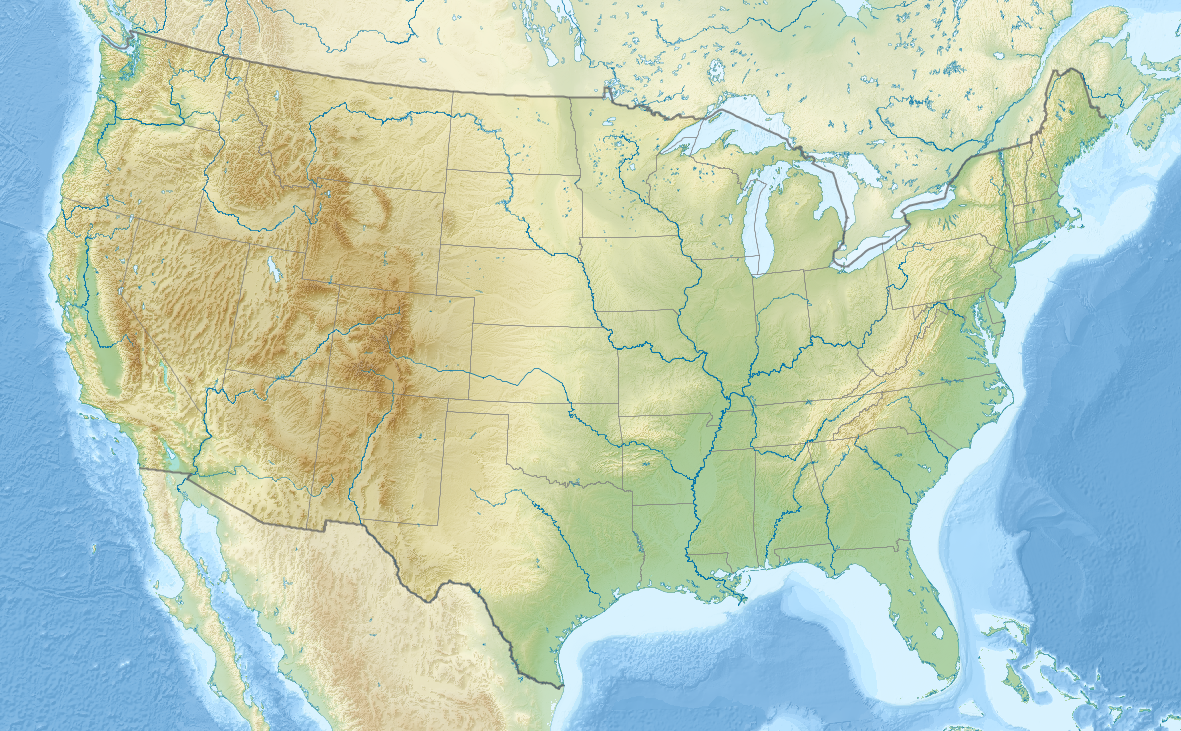
The urban area sits along the Missouri River near the confluence with the Big Sioux River, a setting that shaped its settlement and development. River bluffs, floodplain neighborhoods and a downtown grid characterize the local landscape. Major transportation routes, including interstate highways and regional rail lines, connect Sioux City to broader agricultural and industrial markets. The rivers have influenced land use, park placement, and flood management strategies in the city and surrounding counties.
History and name
Sioux City's origins trace to the mid-19th century when European-American settlers established trading posts and river landings. The name derives from the Sioux (Dakota/Lakota) peoples indigenous to the region; the city's expansion followed patterns common to river towns—trade, transportation and later industrial growth. Over time Sioux City evolved from a frontier river town into a diversified regional economy with manufacturing, meatpacking and service sectors.
Economy, institutions and culture
Today the local economy combines manufacturing, agribusiness and health care, supported by hospitals, educational campuses and retail centers that serve a multi-county region. Cultural assets include art galleries, historic theaters, annual festivals and performing arts venues that attract residents and visitors. Recreational opportunities on the riverfront, public parks and trails are important for quality of life and tourism.
Notable distinctions and role
Sioux City is notable for its role as a regional commercial and medical hub in northwestern Iowa. It combines the characteristics of a mid-sized Midwestern city—historic downtown districts, riverfront development and industry—with a position that links three states. Planning challenges include managing river flood risk, supporting economic diversification, and maintaining cultural and historic resources while encouraging new investment.
Further information and resources
Related articles
Author
AlegsaOnline.com Sioux City, Iowa: Overview, History, Geography, and Culture Leandro Alegsa
URL: https://en.alegsaonline.com/art/90718
Sources
- factfinder2.census.gov : "American FactFinder"