
Jorge Wagensberg Lubinski
Spanish physicist, professor and writer (1948–2018). Professor of Theory of Irreversible Processes, influential in science communication and museum practice; ECSITE president and EMA co‑founder.
Overview
Jorge Wagensberg Lubinski (2 December 1948 – 3 March 2018) was a Spanish physicist, academic, essayist and advocate for science communication. He served for decades as Professor of Theory of Irreversible Processes in the Faculty of Physics at the University of Barcelona (1981–2016). Alongside his academic work he engaged widely in public dissemination of science, contributing to magazines and newspapers and shaping debates about how scientific ideas are presented to general audiences.
Image gallery
1 Image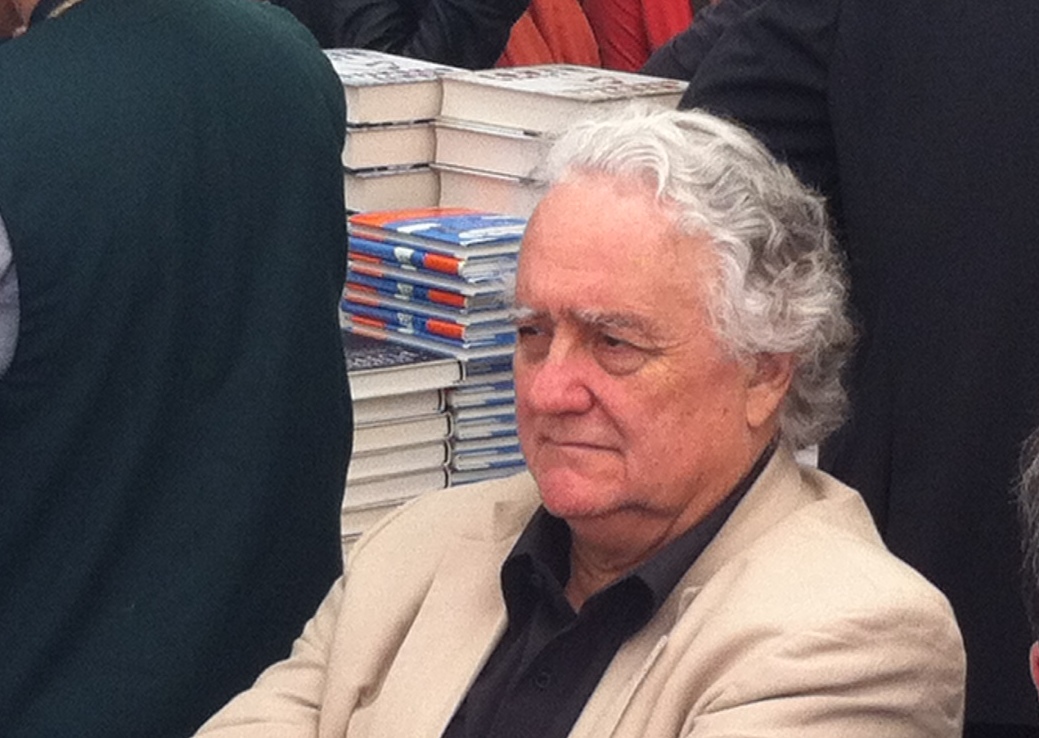
Academic work and research
Wagensberg's formal research focussed on thermodynamics and the theory of irreversible processes, an area of physics that examines systems driven away from equilibrium and the emergence of directionality in natural processes. As a professor he combined teaching, research supervision and public outreach, training students in theoretical physics while promoting clearer explanations of abstract concepts for non-specialists.
Roles in science communication and museums
Beyond the university he played an active role in the museum and science‑centre community, working to improve the design and educational purpose of exhibitions. His interests included exhibition theory, the use of demonstrative devices to stimulate curiosity, and the role of museums as platforms for dialogue rather than passive display. He emphasized clarity, intellectual honesty and the aesthetic dimension of exhibition design.
Positions and public activity
- Professor of Theory of Irreversible Processes, University of Barcelona (1981–2016)
- President of the European network ECSITE (1993–1995)
- Founding member of the European Museum Academy (EMA) in 2010
- Regular contributor to the magazine Mètode and newspapers including El País and El Periódico
Legacy and significance
Wagensberg is remembered for bridging rigorous scientific thought with public engagement. Colleagues and cultural institutions note his influence on contemporary museum practice in Spain and Europe and on generations of scientists and communicators who sought rigorous, thoughtful ways to present science to diverse audiences. His combination of theoretical physics, writing and museum work made him a distinctive voice in late 20th‑ and early 21st‑century Spanish science culture.
Further reading
For a concise outline of his career and contributions see a short profile or the collected essays and interviews that discuss his ideas about museums, exhibitions and science communication.
Related articles
Author
AlegsaOnline.com Jorge Wagensberg Lubinski Leandro Alegsa
URL: https://en.alegsaonline.com/art/122820
Sources
- directe.cat : Es redueixen a un terç les Creus de Sant Jordi del 2007
- elpais.com : Jorge Wagensberg, investido doctor 'honoris causa' por la Universidad de Lleida
- lavanguardia.com : Muere el científico y museógrafo Jorge Wagensberg a los 69 años
- elpais.com : Jorge Wagensberg dirigirá el proyecto museográfico del Hermitage