
José, Prince of Brazil (Infante José of Portugal)
Infante José (1761–1788) was heir apparent to Queen Maria I of Portugal. He died of smallpox at 27, leaving his brother João as heir and altering the succession during a turbulent era for Portugal and Brazil.
Overview
Infante José of Portugal (20 August 1761 – 11 September 1788) was the eldest son of Queen Maria I and King Pedro III. As the firstborn male, he held the traditional style of the Portuguese heir and was widely known by the title Prince of Brazil. His short life ended before he could accede to the throne, and his death had important consequences for the royal succession and the political future of Portugal and its overseas empire.
Image gallery
5 Images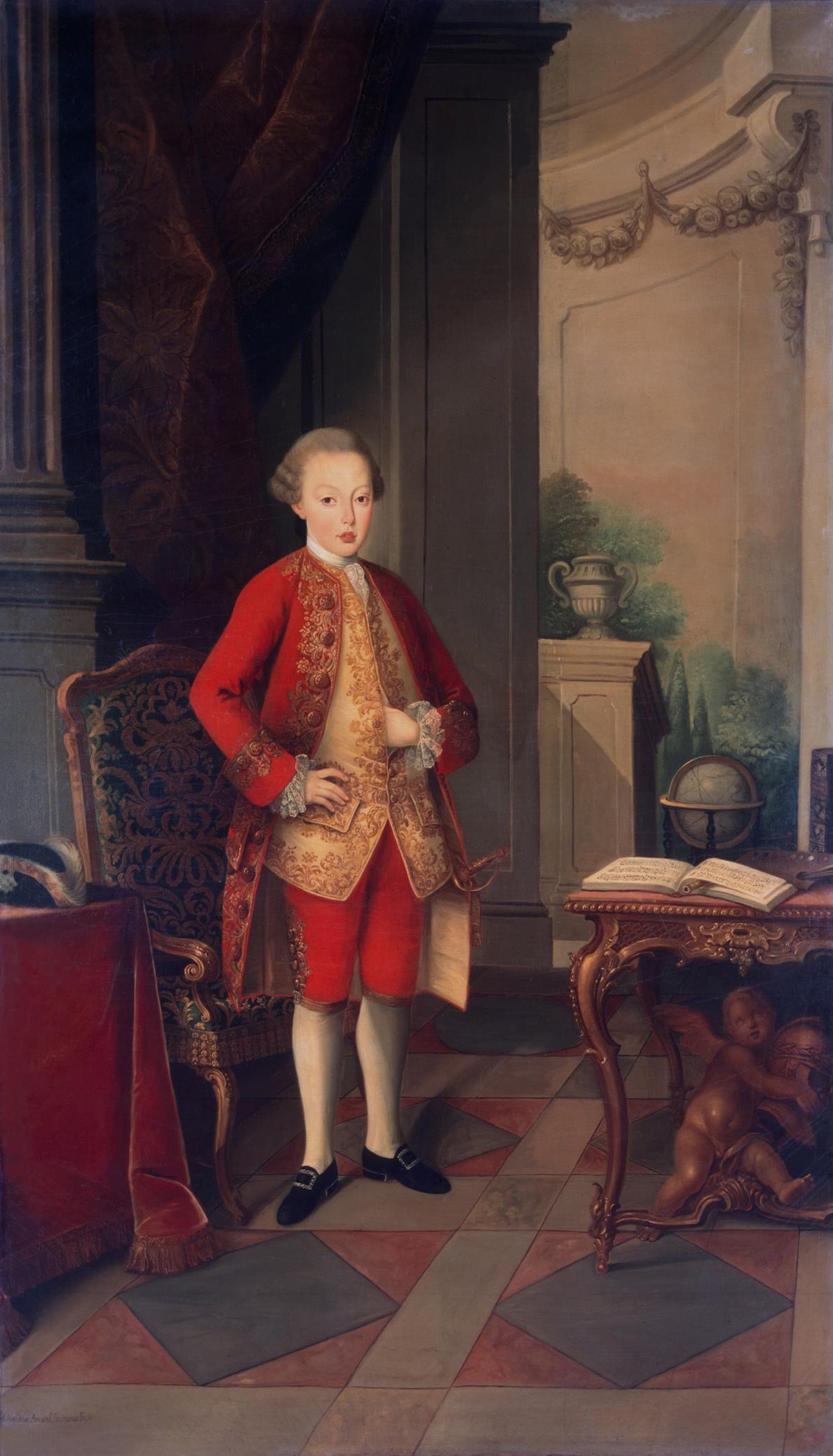


Names and titles
During his lifetime José bore several princely designations connected to the Portuguese monarchy. He was styled Prince of Brazil, a customary title for Portugal's heir, and also used the subsidiary honor Prince of Beira. Like many heirs of his dynasty he held the ducal dignity associated with the heir-apparent, Duke of Braganza. These titles identified his place in the line of succession and the expectations that accompanied his upbringing and public role.
Life and role
Raised at the royal court under the influence of late-18th-century Portuguese court culture, José received the education appropriate for a future monarch of the House of Braganza: instruction in governance, languages, and military ceremony, and participation in court duties. As heir apparent, he represented continuity of the dynasty and stood at the center of dynastic planning. His parents, Queen Maria I and King Pedro III, provided the dynastic and ceremonial framework that shaped his public life.
Death and succession
José died of smallpox on 11 September 1788 at the age of twenty-seven. Smallpox remained a leading cause of premature death in the 18th century, even among royal families, until the later development of vaccination. His death removed the designated heir and left no direct issue, so the succession passed to his younger brother, Infante João. João later became King João VI after his mother's incapacity and eventual death.
Historical significance
The premature death of Prince José changed the course of the Portuguese monarchy at a critical moment. João's eventual reign covered a turbulent period that included the French invasions of the Iberian Peninsula and the transfer of the Portuguese court to Brazil, events that reshaped Portugal's relationship with its largest colony. The transfer and subsequent political transformations culminated in Brazil's rise in status and eventual independence—developments that might have followed a different path had José survived and reigned.
Legacy and notable facts
- José died unmarried and without legitimate offspring, which directly affected the line of succession.
- The Prince of Brazil title symbolized the link between metropolitan succession and the transatlantic empire; its holders often personified that connection.
- His death illustrates the vulnerability of hereditary systems to disease before the advent of modern vaccination. For further reading on the disease that ended his life see smallpox.
Though he never reigned, Infante José's brief life is a reminder of how individual fates within royal families could have wide-ranging political consequences in the age of empires.
Questions and answers
Q: Who was José of Portugal?
A: José of Portugal was the eldest child of Queen Maria I of Portugal and King Pedro III of Portugal, and was the heir apparent to the Kingdom of Portugal until his death in 1788.
Q: What was José's title?
A: José was also known as Infante José of Portugal, Prince of Brazil, Duke of Braganza and the Prince of Beira.
Q: How did José die?
A: José died of smallpox at the age of 27.
Q: Who became the new heir-apparent after José's death?
A: Infante João, José's younger and ill-prepared brother, became the new heir-apparent after José's death.
Q: What happened during João's reign?
A: João's reign was a turbulent one, seeing Napoleonic invasion of Portugal and the loss of the Portuguese Empire's largest and wealthiest colony, Brazil.
Q: How old was José when he died?
A: José was 27 years old when he died.
Q: Why was José better known as the Prince of Brazil?
A: José was better known as the Prince of Brazil because Brazil was the largest and wealthiest colony of the Portuguese Empire, and he was the heir-apparent to the Portuguese throne.
Related articles
Author
AlegsaOnline.com José, Prince of Brazil (Infante José of Portugal) Leandro Alegsa
URL: https://en.alegsaonline.com/art/122825