
John Rutledge: South Carolina statesman and early U.S. jurist
John Rutledge (1739–1800) was a South Carolina leader, a delegate and signer of the U.S. Constitution, an associate justice and briefly chief justice of the Supreme Court, and an influential Revolutionary-era politician.
Overview
John Rutledge (September 17, 1739 – July 23, 1800) was a prominent American lawyer, planter, and political leader from South Carolina who played a significant role in the founding era. He represented his state at the federal level, signed the United States Constitution, and later served on the United States Supreme Court. Contemporaries remembered him for forceful oratory, devoted public service to South Carolina, and a complex national reputation shaped by partisan politics and personal struggles.
Image gallery
6 Images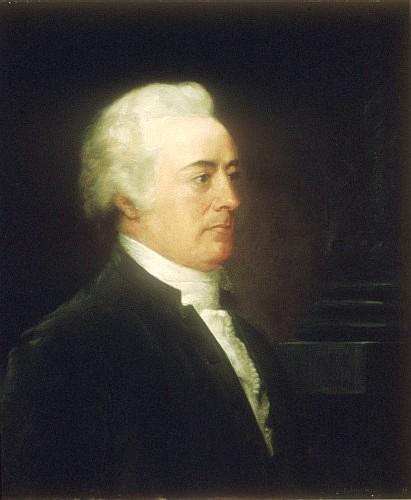


Early life and state career
Born in South Carolina into a well-established family, Rutledge trained in the law and built a career that combined legal practice, plantation management, and public office. He was active in provincial and state government during the Revolutionary period, serving in South Carolina's assemblies and occupying the state's highest executive office at times. His leadership in state politics made him a visible figure in debates over independence, wartime governance, and the state's postwar reconstruction.
Role at the Constitutional Convention
Rutledge was chosen as a delegate to the Constitutional Convention, where he was involved in the committee work that shaped the document later submitted for ratification. He chaired a committee responsible for drafting substantial portions of the proposed framework, participated in debates over the balance of powers between the federal government and the states, and ultimately added his signature to the finished Constitution. For more on his national role see Constitutional Convention resources and a broader biographical overview.
Judicial service and the Supreme Court
Rutledge served on the U.S. Supreme Court as an associate justice and was later given a recess appointment as chief justice in 1795. His elevation to the Court briefly made him the highest judicial officer in the nation, but his nomination for a permanent commission encountered opposition in the Senate. The episode, which involved intense political disagreements of the era, ended with his departure from the bench. His time on the Court remains notable as part of the early pattern of how the new republic staffed its institutions; see summaries of his judicial career at Associate Justice and material on his brief chief justiceship at Chief Justice.
Legacy and notable facts
Rutledge's contributions are reflected in several overlapping areas of early American history. He was a signer of the Constitution, a leader in South Carolina during and after the Revolution, and one of the first generation of federal judges. He was also the elder brother of Edward Rutledge, a signer of the Declaration of Independence. Historians note both his influence in shaping constitutional text and his career's vulnerability to the intense partisanship of the 1790s.
- Major roles: state executive leader, Constitutional delegate, Supreme Court justice.
- Constitutional contribution: chaired committee work that informed the final draft.
- Judicial episode: recess appointment as chief justice that was not ultimately confirmed by the Senate.
- Family: brother of Edward Rutledge, signer of the Declaration of Independence.
For readers seeking more detail, the placeholders below link to further resources and archival material: biography and state papers, Convention records, Supreme Court service summaries, and accounts of his chief justiceship.
Related articles
Author
AlegsaOnline.com John Rutledge: South Carolina statesman and early U.S. jurist Leandro Alegsa
URL: https://en.alegsaonline.com/art/122642