
John Negroponte: U.S. diplomat, first Director of National Intelligence
Profile of John Negroponte (b. 1939), a British-born American diplomat of Greek descent who served as U.S. ambassador to multiple countries, Deputy Secretary of State and the first Director of National Intelligence.
John Dimitri Negroponte (born July 21, 1939) is a British-born American career diplomat of Greek heritage who held a sequence of senior positions in the U.S. foreign policy and intelligence establishments. Over a diplomatic career spanning several decades he served as U.S. ambassador to multiple countries, represented the United States at the United Nations, became the first Director of National Intelligence, and later served as Deputy Secretary of State. After government service he taught and conducted research in international affairs.
Image gallery
6 Images


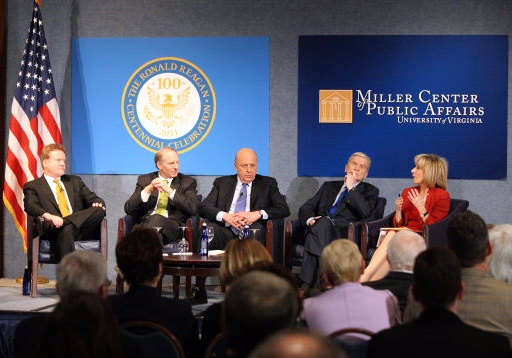

Career highlights
- Longtime member of the U.S. Foreign Service, rising to a series of ambassadorial appointments and senior Washington posts.
- U.S. Ambassador to several countries and to the United Nations, representing American interests abroad and at multilateral forums.
- Appointed as the first Director of National Intelligence to coordinate the U.S. intelligence community following post-9/11 reforms.
- Served as United States Deputy Secretary of State, acting as a senior deputy to the Secretary of State on diplomatic and administrative matters.
The sequence and breadth of Negroponte's assignments illustrate a diplomat who moved between bilateral postings and Washington leadership roles. His Washington service included responsibilities for managing policy coordination, intelligence oversight and representing U.S. positions in high-level interagency settings. For a concise overview of his biography see early life and background. Detailed listings of his appointments and official statements are available through government archives and contemporary reporting (career timeline).
Notable assignments and contexts
Negroponte's ambassadorships covered regions and periods that were sometimes politically sensitive. He served in Latin America and Asia and held the U.S. mission to the United Nations during the early years of the 21st century. In 2005 he became the inaugural Director of National Intelligence, a role created to improve coordination among agencies across the intelligence community; he led that office during its formative stage (Director of National Intelligence).
Following his tenure as DNI, he returned to the State Department as Deputy Secretary of State, where he worked on diplomatic strategy and institutional management. Accounts of his service sometimes note debates and scrutiny tied to U.S. policy choices made while he was posted overseas; discussions of these events appear in public reporting and historical reviews of U.S. foreign policy.
Later work and legacy
After leaving active government roles, Negroponte continued to engage in public affairs as a lecturer and research fellow in international affairs at academic institutions. His career is often cited when examining the evolution of U.S. diplomacy and intelligence after the Cold War and following the 9/11 attacks. For commentary on his contributions and assessments of his tenure in different offices consult contemporary analyses and institutional records (further reading).
Related articles
Author
AlegsaOnline.com John Negroponte: U.S. diplomat, first Director of National Intelligence Leandro Alegsa
URL: https://en.alegsaonline.com/art/122599
Sources
- gwtoday.gwu.edu : "Ambassador John D. Negroponte: Briefing a Future President about Foreign Policy | GW Today | The George Washington University"