
John Nash (architect): Regency London's planner and designer
English architect John Nash (1752–1835) shaped much of Regency London — including Regent Street and Regent's Park — and created the exotic Royal Pavilion at Brighton. Influential in urban planning and the picturesque.
John Nash (18 January 1752 – 13 May 1835) was an English architect and urban planner who played a leading role during the Regency era. He is most closely associated with the transformation of central London in the early 19th century and with several high-profile commissions for the Prince Regent (later King George IV). Nash combined classical principles with the picturesque taste of the period to produce both grand public schemes and theatrical private houses.
Image gallery
10 Images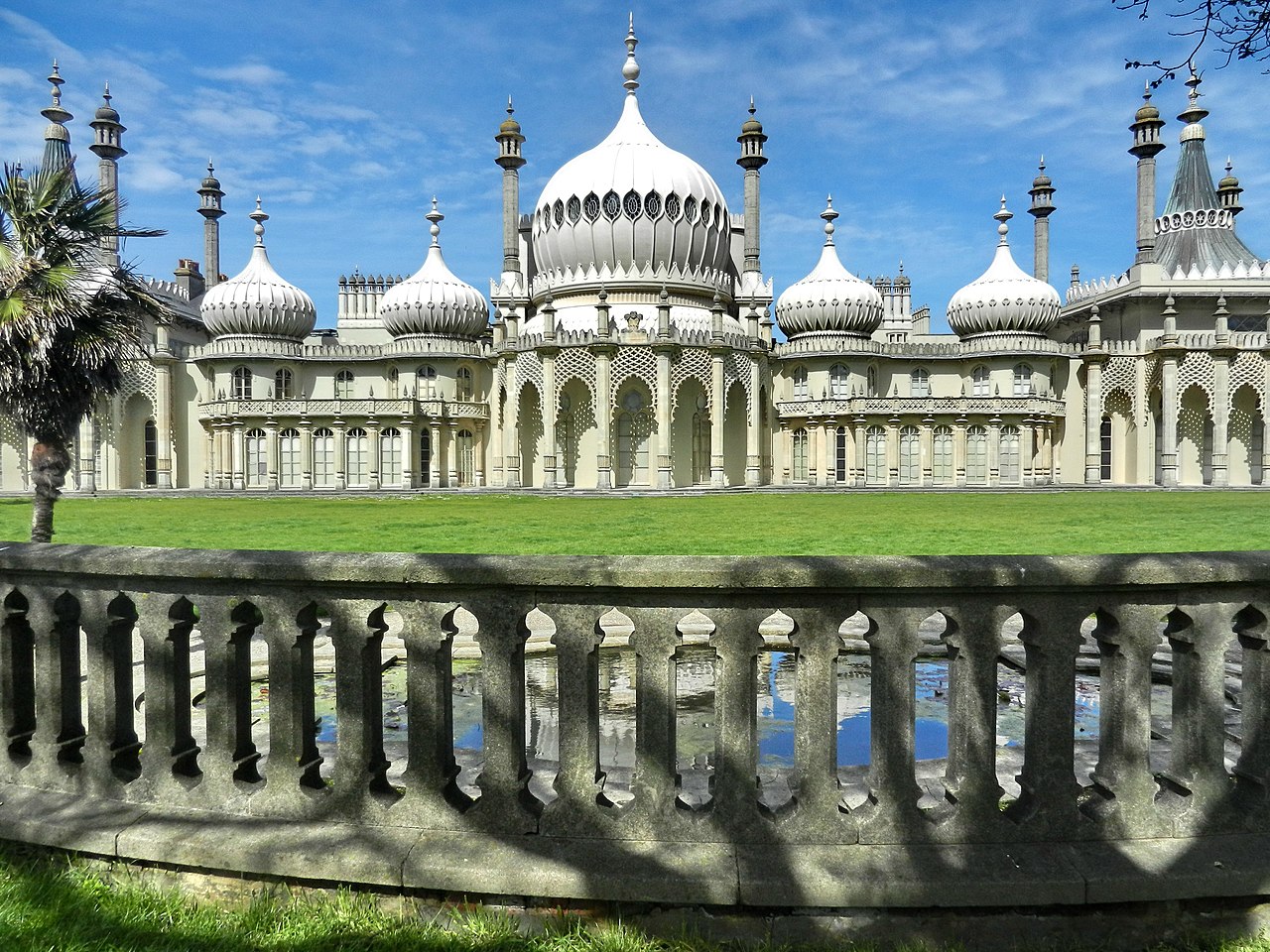




Major works and characteristic style
Nash's work ranges from planned streets and terraces to flamboyant palace interiors. He favored bold, theatrical effects and stuccoed facades that suited the fashionable districts of the time. One of his best-known designs is the Royal Pavilion at Brighton, notable for its exotic, Indo‑Islamic-inspired decoration and domes. In London he planned broad avenues and elegant terraces that married architecture and landscape.
Urban planning and Regency London
Nash played a central role in laying out parts of what became known as Regency London. His designs included the idea of cohesive urban vistas, linking parks, residential terraces and new thoroughfares. The development of Regent Street and the terraces around Regent's Park are among his most lasting achievements, reflecting an early form of coordinated city planning that aimed to create dignified public spaces as well as profitable development.
Notable projects
- Regent Street — a major north–south thoroughfare and shopping boulevard
- Regent's Park — planned terraces and parkland framing
- Royal Pavilion, Brighton — an ornate seaside palace
- Urban terraces and private commissions across London and the suburbs
Nash often collaborated with builders and developers, and his schemes required extensive financial and political backing. He worked closely with patrons including the Prince Regent and with contractors who could realise his large-scale plans. For further general reading on Nash's life and works see biographical sources and surveys of Regency architecture at related resources.
Legacy: Nash established a model for integrating architecture and urban design that influenced later city planning in Britain. While some of his work has been altered or rebuilt, his imprint on London's form and the surviving examples of his imaginative designs remain a defining feature of the Regency cityscape.
Related articles
Author
AlegsaOnline.com John Nash (architect): Regency London's planner and designer Leandro Alegsa
URL: https://en.alegsaonline.com/art/122597
Sources
- John Nash