
Kenzō Tange: Japanese modernist architect and urban planner
Kenzō Tange (1913–2005) was a leading Japanese architect and educator whose modernist designs and city plans shaped postwar Japan; winner of the 1987 Pritzker Prize.
Overview
Kenzō Tange (丹下 健三, Tange Kenzō; 4 September 1913 – 22 March 2005) was a Japanese architect and urban planner who became one of the most influential figures in postwar architecture. In Japanese naming convention the family name is Tange; the given name is Kenzō. He combined modern engineering with references to traditional Japanese form and helped rebuild civic life after World War II. For more on the name and conventions see Japanese name conventions and a brief biographical note. The family name appears as explained at surname guide.
Image gallery
10 Images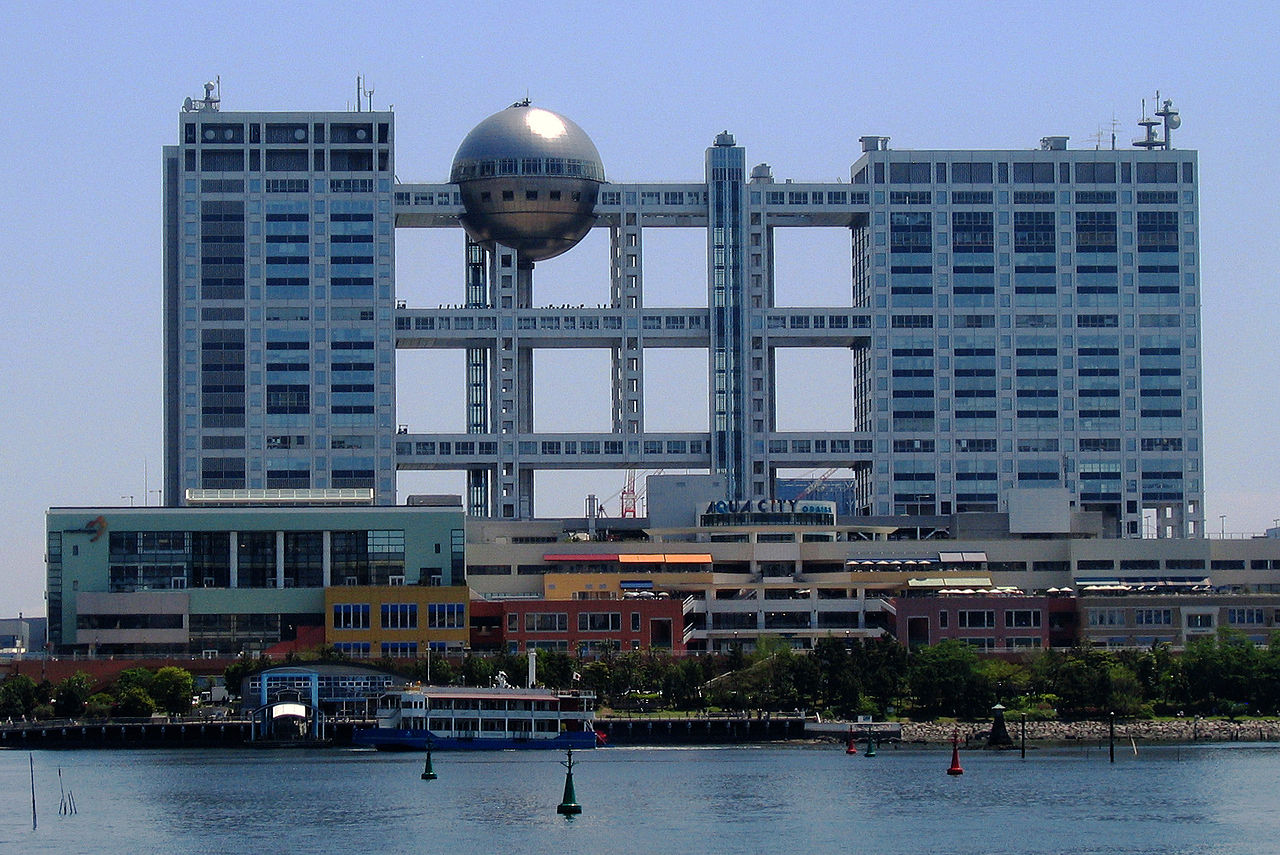


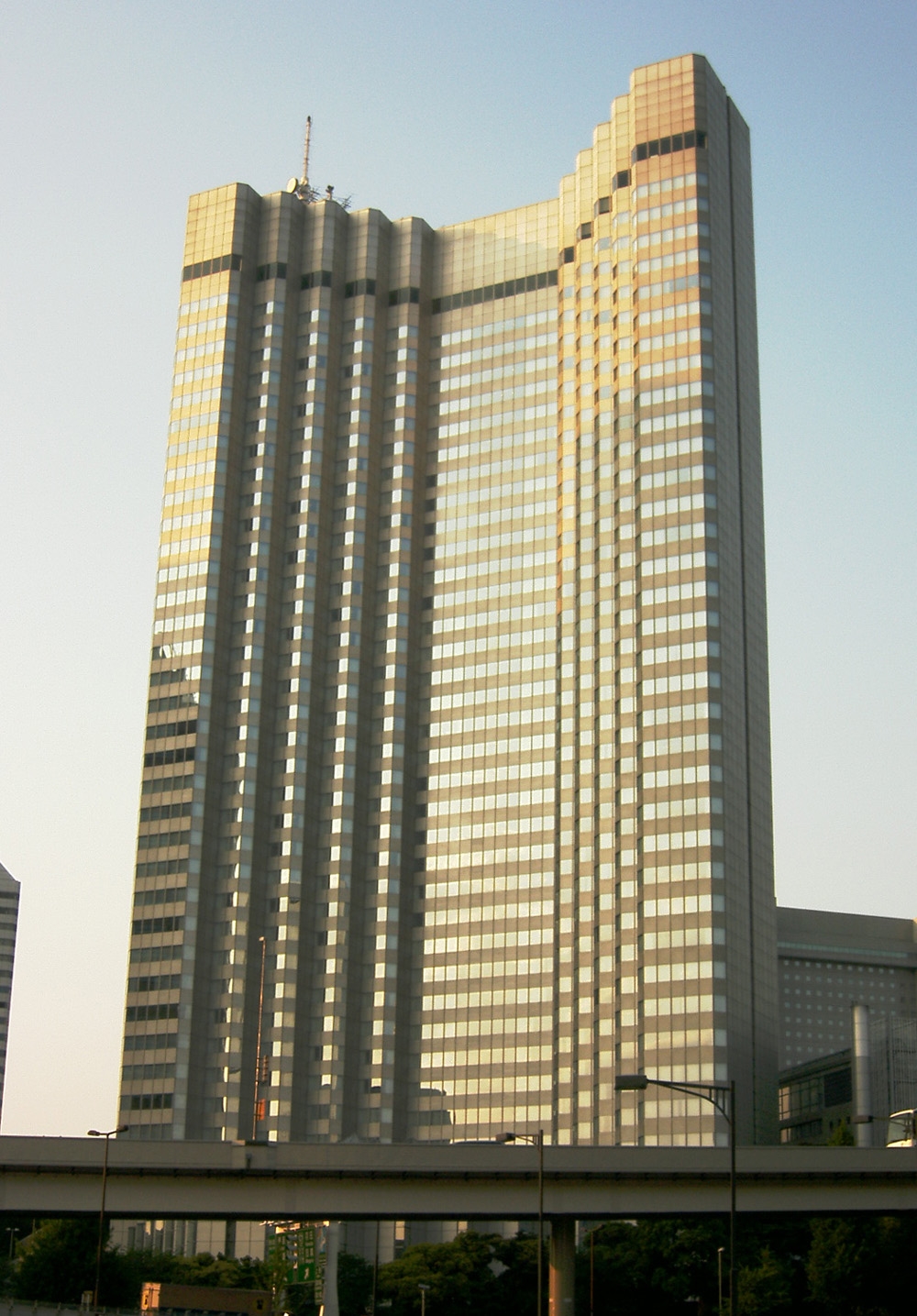


Career and teaching
Tange trained at Tokyo Imperial University and later taught at the University of Tokyo, where he influenced generations of Japanese architects and urban designers. His academic role and professional practice intersected: he led a studio that undertook masterplans, public buildings and large civic commissions. Contemporary summaries of his architectural approach are available at general resources on modern architecture and specialist profiles at architectural archives.
Major works and characteristics
Several of Tange's projects are widely cited as exemplars of his approach, which often pairs bold structural expression with clear spatial organization. Two frequently mentioned works are the Hiroshima Peace Memorial Museum and the Yoyogi National Gymnasium for the 1964 Tokyo Olympics. His work is noted for dramatic roof forms, exposed structural systems and attention to urban context.
Selected projects
- Hiroshima Peace Memorial Museum and surrounding plan — a postwar proposal that contributed to the city's reconstruction.
- Yoyogi National Gymnasium — notable for its sweeping suspended roof and engineering clarity.
- Various civic and international masterplans that linked architecture and city planning.
Influence and legacy
Tange's work helped shape the direction of Japanese modernism and inspired the Metabolist generation of architects who proposed flexible, growth-oriented urban systems. He operated internationally, taking commissions and advising on urban reconstruction projects, and many of his students became leading practitioners. His career earned wide recognition, including the Pritzker Architecture Prize in 1987; see the Pritzker citation at Pritzker Prize and institutional summaries at the University of Tokyo and other archives.
Further reading
For introductions and more detailed study consult overviews of postwar Japanese architecture and curated collections of Tange's projects. Online and print resources range from museum pages to academic essays; searchable repositories and curated timelines can be found via general architecture portals such as modern architecture resources and dedicated archives at architectural archives. Additional entries and timelines are available through institutional links and bibliographies hosted at reference sites, biographical repositories, and specialized pages like name and cultural guides.
Questions and answers
Q: Who was Kenzō Tange?
A: Kenzō Tange was a Japanese architect and professor at the University of Tokyo.
Q: What was Tange's full name in Japanese?
A: Tange's full name in Japanese was 丹下 健三 (Tange Kenzō).
Q: When was Tange born?
A: Tange was born on September 4, 1913.
Q: When did Tange pass away?
A: Tange passed away on March 22, 2005.
Q: What was Tange's achievement in 1987?
A: Tange was the winner of the Pritzker Architecture Prize in 1987.
Q: What is unique about Tange's name?
A: Tange's family name comes before his given name in the Japanese naming convention.
Q: Where did Tange work as a professor?
A: Tange worked as a professor at the University of Tokyo.
Related articles
Author
AlegsaOnline.com Kenzō Tange: Japanese modernist architect and urban planner Leandro Alegsa
URL: https://en.alegsaonline.com/art/123591
Sources
- pritzkerprize.com : "Kenzo Tange, 1987 Laureate, Biography"
- theguardian.com : "Obituary: Kenzo Tange"