
John Marshall Harlan II
Associate Justice of the U.S. Supreme Court (1955–1971), known for judicial restraint, careful opinions, and a measured approach to civil liberties and federalism.
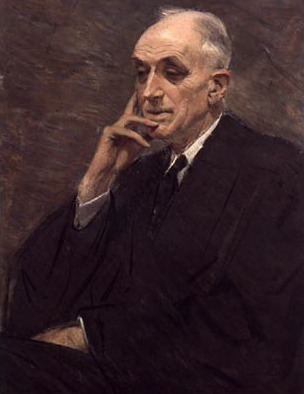
John Marshall Harlan II (May 20, 1899 – December 29, 1971) was an American jurist who served as an Associate Justice of the Supreme Court from 1955 until his death in 1971. He is often remembered for a conservative, precedent-respecting philosophy tempered by careful attention to individual rights and the demands of reasoned legal analysis. He was the grandson and namesake of another prominent justice, John Marshall Harlan (1833–1911).
Harlan joined the Court during a turbulent era of change in constitutional law. Appointed by President Dwight D. Eisenhower, he sat through much of the Warren Court’s period of expansive decisions in areas such as civil rights, criminal procedure, and freedom of speech. Over sixteen years on the bench he wrote opinions and separate writings that sought to balance respect for precedent with the necessity of protecting essential liberties.
Image gallery
2 Images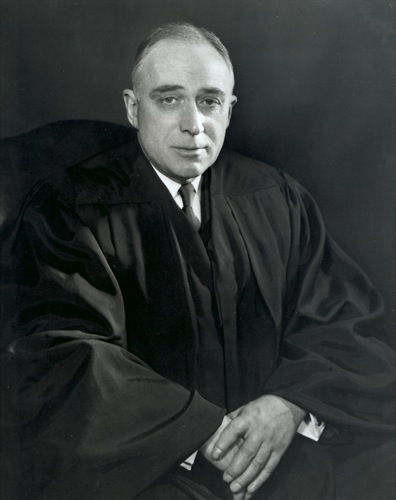
Background and career
Trained in the classical legal education of his era, Harlan completed undergraduate and law studies before building a reputation in private practice and limited public service. He was known among colleagues for a disciplined, textually informed approach to legal questions. His path to the bench reflected both professional accomplishment and the networks of the American legal establishment of the mid‑20th century.
Judicial approach and themes
- Judicial restraint: Harlan emphasized restraint and cautioned against broad judicial policymaking, urging courts to defer to legislative judgments except where clear constitutional protections were threatened.
- Respect for precedent: He valued stare decisis but accepted that some past rulings might be revisited when workably erroneous or incompatible with constitutional principles.
- Individual rights: Although viewed as conservative, Harlan often defended civil liberties through careful due‑process reasoning rather than sweeping doctrinal shifts.
- Fact-centered opinions: His writings frequently show meticulous attention to the trial record and a reluctance to decide broad abstract questions without concrete circumstances.
Harlan participated in and shaped many important decisions of his time, often writing concurrences and dissents that sought to narrow or clarify the scope of majority holdings. His voice provided a moderating influence on debates over incorporation of the Bill of Rights against the states, criminal procedure protections, and the balance between free expression and other social interests.
Known among lawyers for exacting legal prose and intellectual rigor, Harlan left a legacy of measured jurisprudence that later jurists cited when arguing for principled restraint combined with protection for fundamental rights. He died of spinal cancer in Washington, D.C. at age 72, leaving behind a body of opinions studied for their analytical care and practical orientation to constitutional law.
Related articles
Author
AlegsaOnline.com John Marshall Harlan II Leandro Alegsa
URL: https://en.alegsaonline.com/art/122565