
John Lubbock, 1st Baron Avebury
English banker, naturalist, archaeologist and Liberal politician (1834–1913); promoted prehistory studies, protection of ancient monuments, and the introduction of bank holidays.
John Lubbock, 1st Baron Avebury (30 April 1834 – 28 May 1913) was an English banker, scientist, antiquarian and Liberal politician whose work bridged Victorian finance, natural history and public reform. He combined practical involvement in the family bank with active scholarship in archaeology and biology, and he used his parliamentary career to promote cultural and social measures.
Image gallery
9 Images

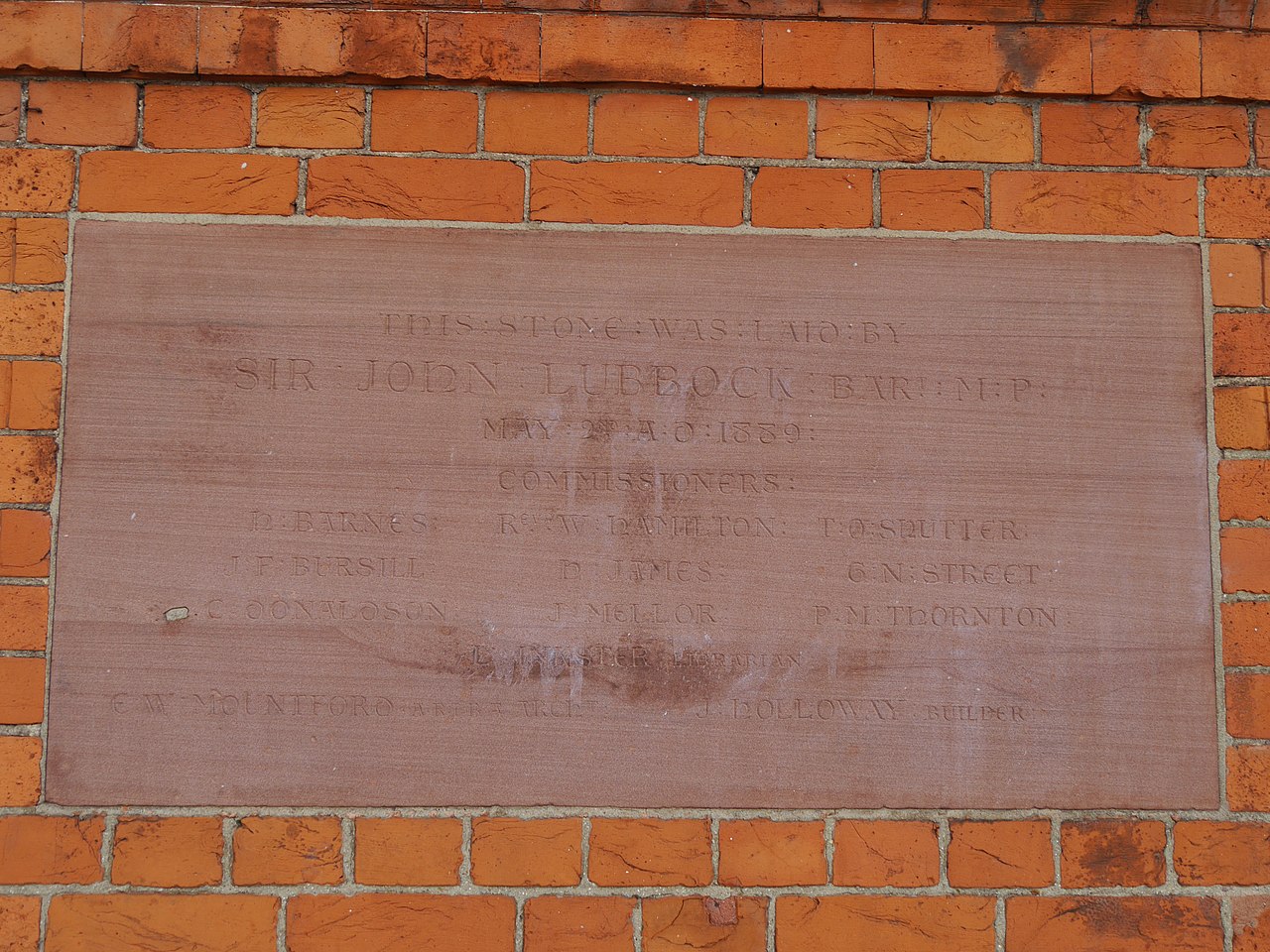


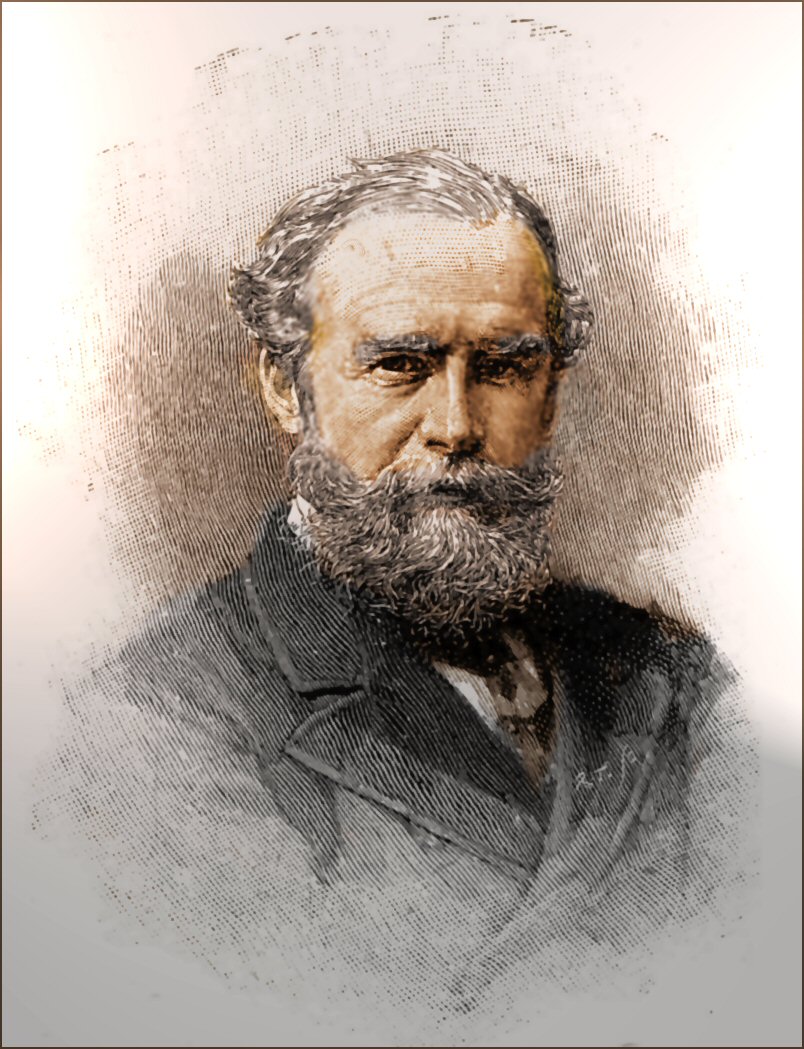


Scientific and scholarly contributions
Lubbock wrote influential popular and scholarly books on prehistory and comparative anthropology. His writings helped to shape Victorian understandings of the human past: he promoted the now-standard divisions between older and newer stone-age cultures and presented prehistoric artifacts and social development in accessible language for general readers. He was an advocate of Charles Darwin's evolutionary ideas and published studies on insect behaviour and natural history that reflected empirical observation and an evolutionary perspective.
Political career and public reforms
As a Liberal Member of Parliament and later a peer, Lubbock pursued a range of legislative initiatives aimed at public welfare and heritage protection. He is widely associated with efforts that led to the establishment of official bank holidays and with early laws intended to safeguard ancient monuments and archaeological sites from destruction. His public interventions combined scientific sensibilities about the value of the past with practical reforms for everyday life.
Banking, honours and roles
Beyond scholarship and politics, Lubbock was active in banking and public institutions. He inherited a family banking interest and later received a baronetcy and peerage, becoming Baron Avebury at the turn of the 20th century. He was elected a Fellow of learned societies in recognition of his contributions to science and antiquarian studies, and he used institutional positions to further public education and conservation causes.
Legacy and significance
Lubbock's significance lies in the combination of roles he occupied: a mediator between scientific research and public policy, an interpreter of archaeological evidence for a broad audience, and a legislator who translated cultural values into law. His books and public campaigns helped to make prehistoric archaeology part of mainstream Victorian culture, and his conservation-minded legislation provided precedents for later heritage protection.
Selected works and further reading
- Biographical summaries and archival material offer useful starting points for students.
- Major publications present his arguments on prehistoric society and natural history.
- Parliamentary records document his role in promoting bank holidays and heritage laws.
- Scientific correspondence highlights his links with contemporaries in biology and anthropology.
- Museum and library collections hold examples of the artifacts and papers associated with his work.
- Critical studies assess his long-term influence on archaeology, conservation and public policy.
For readers interested in Victorian science and public life, Lubbock exemplifies how a single figure could influence scholarship, legislation and public tastes simultaneously. His career illustrates the interplay between empirical research, popular communication and institutional reform that characterized much of late 19th-century British intellectual life.
Questions and answers
Q: Who was John Lubbock?
A: John Lubbock, 1st Baron Avebury was an English banker, biologist, archaeologist and Liberal politician.
Q: When was John Lubbock born and when did he die?
A: John Lubbock was born on 30th April 1834 and died on 28th May 1913.
Q: Did John Lubbock hold any aristocratic titles?
A: Yes, John Lubbock was known as Sir John Lubbock, 4th Bt from 1865 until 1900, and was later made the 1st Baron Avebury.
Q: What were John Lubbock's areas of expertise?
A: John Lubbock was a banker, biologist, archaeologist and Liberal politician.
Q: Was John Lubbock a member of the Royal Society?
A: Yes, John Lubbock was a Fellow of the Royal Society.
Q: Was John Lubbock involved in politics?
A: Yes, John Lubbock was a Liberal politician.
Q: What is John Lubbock's legacy?
A: John Lubbock is known for his contributions to the fields of biology and archaeology, as well as for his political work as a Liberal politician. He is also credited with introducing the Bank Holidays Act 1871 in the UK, which established the first official bank holidays.
Related articles
Author
AlegsaOnline.com John Lubbock, 1st Baron Avebury Leandro Alegsa
URL: https://en.alegsaonline.com/art/122553
Sources
- darwin-online.org.uk : 72–73
- darwin-online.org.uk : 192
- londongazette.co.uk : London Gazette issue 26022 11 February 1890