
Liberal Party (UK): Origins, Development, Policies and Legacy
British political party formed in the mid‑19th century from Whigs, Peelites and radicals; dominant until early 20th century, enacted early welfare reforms, split over Home Rule and later merged into the Liberal Democrats.
Overview
The liberal tradition in Britain coalesced into the organised Liberal Party, a leading political force in the United Kingdom from the mid‑19th century into the early decades of the 20th. It combined commitments to free trade, individual liberties and political reform, and for many years alternated in government with the Conservatives.
Image gallery
10 Images





Origins and organisation
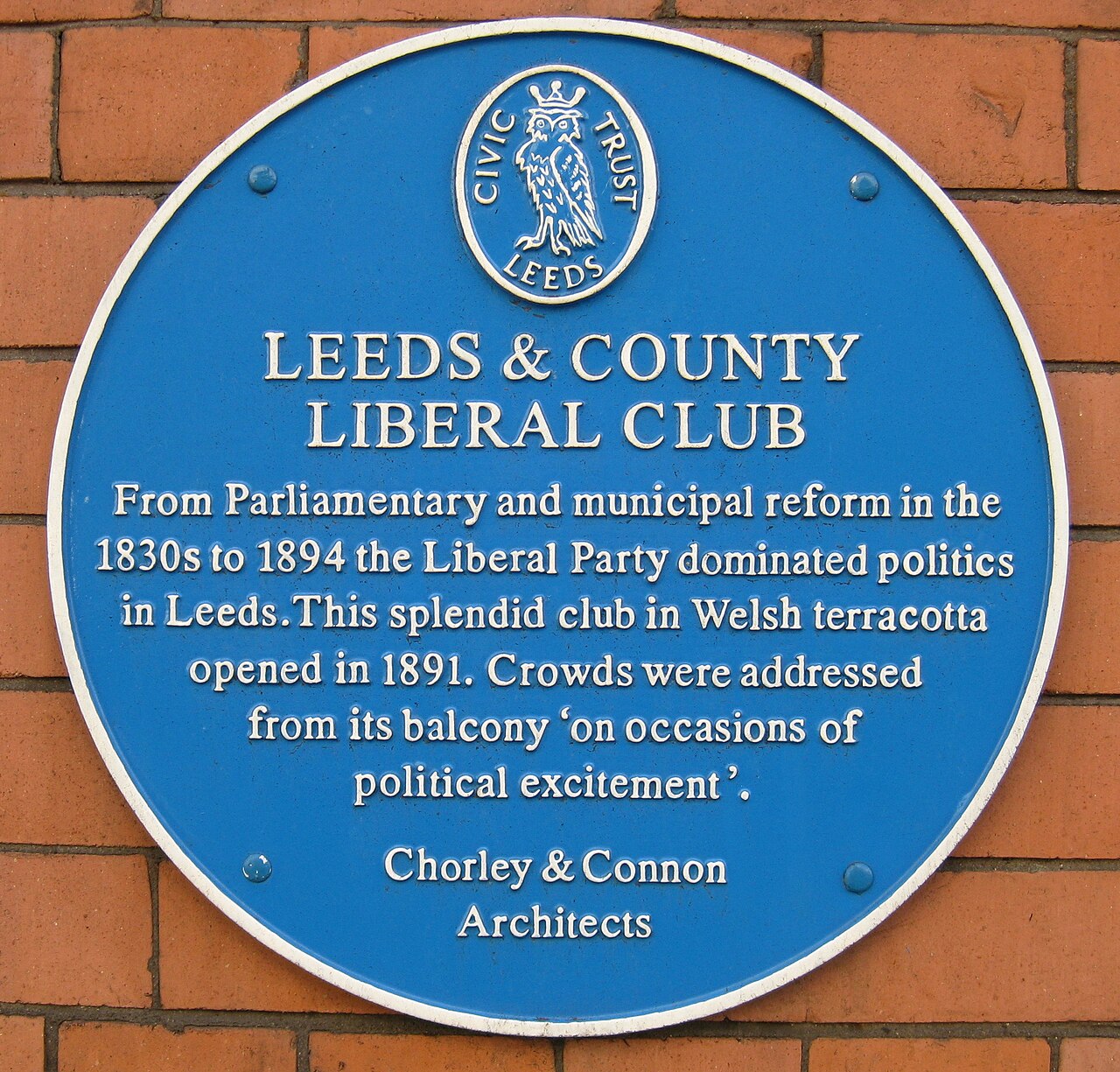
The party emerged in the 1850s from an alliance of Whigs, radical reformers and defectors from the Conservative ranks known as Peelites. This coalition brought together a range of opinion: classical liberals emphasised limited government and market freedoms; radicals sought broader political participation and social reforms. In the later 19th century the party’s public image was shaped by figures such as William Gladstone, who led several administrations and promoted a moral and parliamentary approach to politics.
Ideology and major reforms
Over decades the Liberal Party moved from strict laissez‑faire toward social liberalism that accepted a limited but active role for the state in reducing poverty and managing social risks. Liberal ministries pioneered reforms that formed the foundations of the modern British welfare settlement: measures such as old‑age pensions and the early national insurance schemes are widely associated with Liberal governments of the early 20th century. These policies reflected an intellectual milieu that included moral philosophers and economists; prominent figures linked with Liberal thought include John Stuart Mill, John Maynard Keynes and the social planner William Beveridge.
Irish Home Rule and internal divisions
A defining crisis for the party was the dispute over Irish Home Rule in the late 19th century. Proposals to grant Ireland its own parliament produced a deep split: some Liberals supported devolution while others opposed it and broke away as Liberal Unionists, many of whom aligned with the Conservative Party. The division weakened Liberal unity and altered the balance of power in British politics.
1906 victory and social policy
The Liberals returned to office in the great electoral success of 1906 and used their parliamentary majority to enact a series of constitutional and social measures. Government initiatives connected with welfare reform and progressive taxation were debated fiercely; contemporary accounts and later histories often point to these years as crucial in shifting public expectations about state responsibility for relief and social insurance. For an overview of that election and subsequent policy changes, see accounts of electoral history and welfare reforms, and studies of the welfare state origins.
Leadership, wartime coalition and aftermath
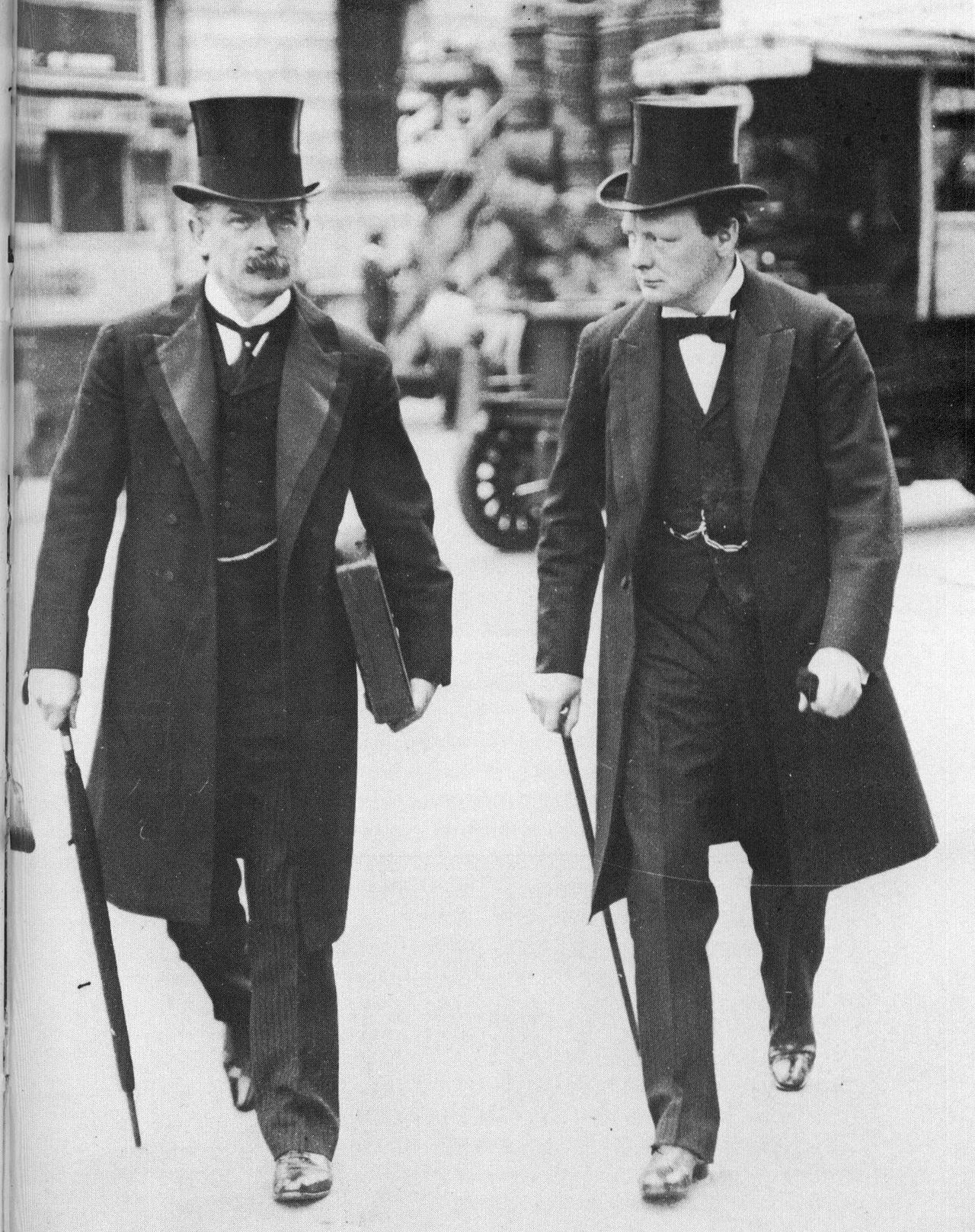
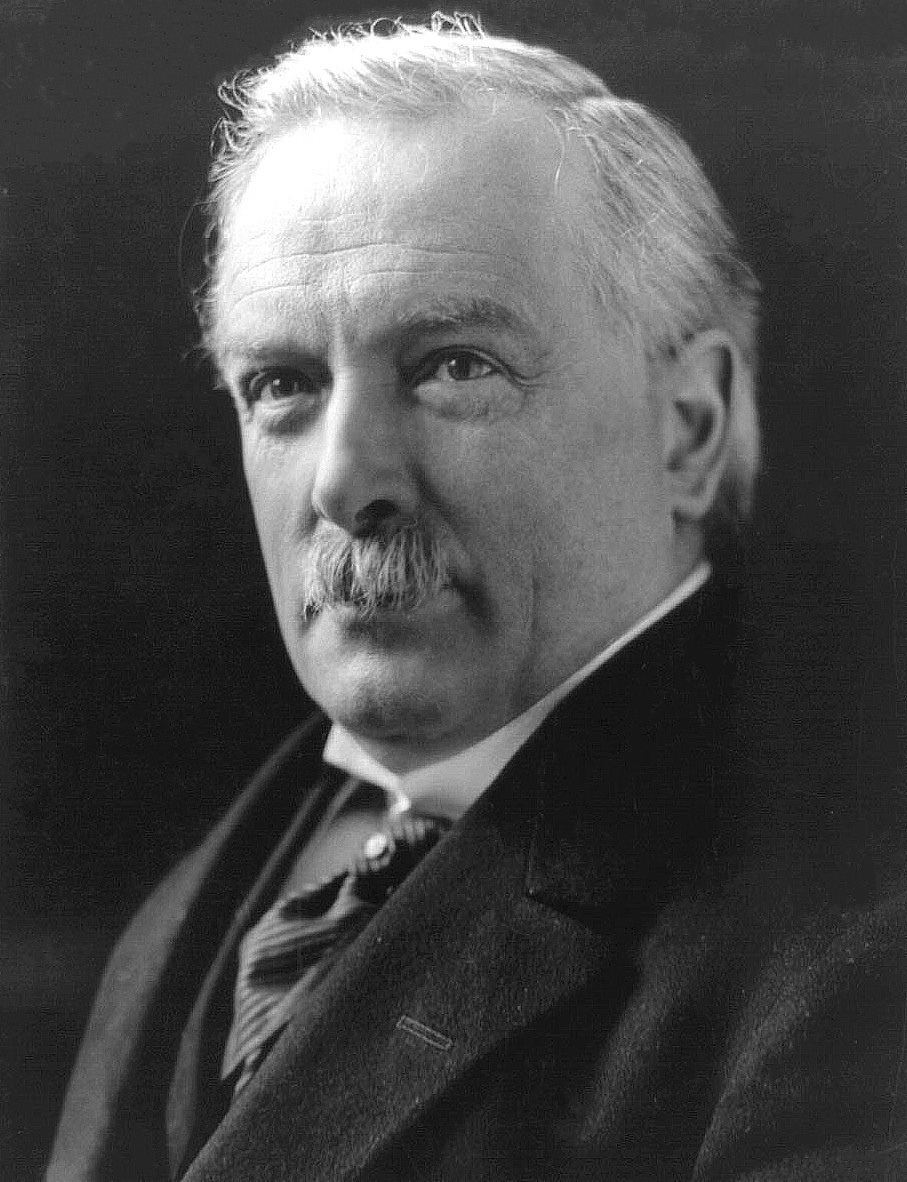
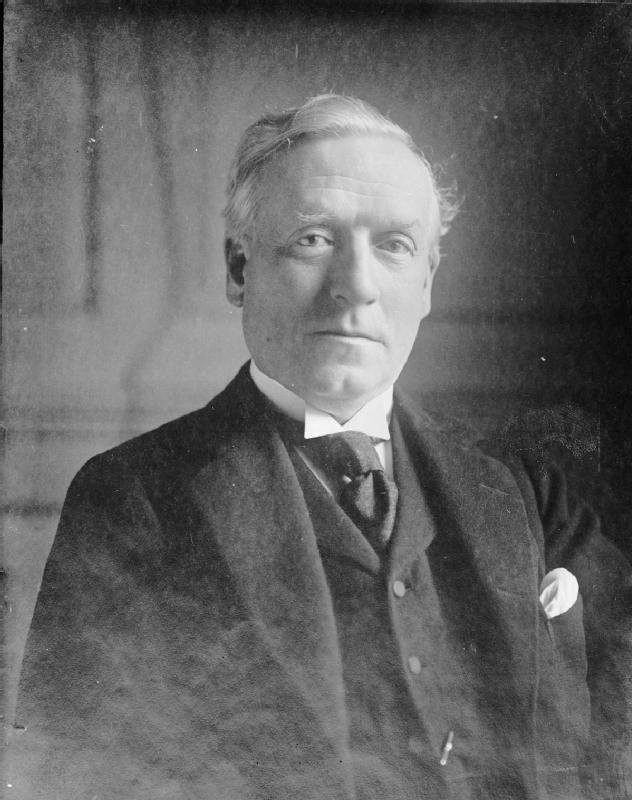
Leadership in this era included H. H. Asquith, under whom the party governed until the First World War, and David Lloyd George, who succeeded as prime minister and led a wartime administration. The party entered a wartime coalition (coalition) with Conservatives during the First World War, and the stresses of coalition government and postwar politics transformed party alignments.
Decline, by‑elections and the late 20th century
After 1922 the Labour Party rose to replace the Liberals as the main party of the left and centre‑left; this displacement is central to understanding the Liberal decline. Through the interwar and postwar decades the party’s national vote and parliamentary representation fell markedly; by the mid‑20th century it was reduced to a small parliamentary presence. Sporadic successes in by‑election contests kept the party visible, but long‑term revival proved difficult under the first‑past‑the‑post electoral system.
Alliance, merger and legacy
Renewed cooperation with centrist opponents led to the electoral pact with the newly formed Social Democratic Party in 1981, creating the SDP‑Liberal Alliance. The Alliance polled strongly in 1983 — winning over a quarter of the vote but relatively few seats — and again contested the 1987 election with a smaller share of the vote. In 1988 the two parties merged to create the Liberal Democrats, which carried forward much of the Liberal tradition into a new party framework.
Continuing significance
The Liberal Party’s principal legacy is institutional and intellectual: it helped extend the franchise and parliamentary reform, promoted civil liberties and pioneered state‑led social measures that later became central to British public policy. Its history is also a case study in how electoral systems, internal divisions and national crises can reconfigure party systems. For further reading on party organisation and context see resources on party organisation, the British context, and studies of policy debates connected to coalition politics and the role of the Labour Party in the 20th century.
Relevant topics and resources: liberal ideology, Gladstone, Asquith, Lloyd George, Conservative relations, First World War, electoral records, SDP‑Liberal Alliance, Social Democratic Party, J. S. Mill and Keynes.
Questions and answers
Q: What was the Liberal Party?
A: The Liberal Party was a liberal political party in the United Kingdom in the 19th and early 20th century.
Q: How did it form?
A: It formed from an alliance of Whigs and free-trade Peelites and radicals in the 1850s.
Q: Who were some of its prominent intellectuals?
A: Prominent intellectuals associated with the Liberal Party include the philosopher John Stuart Mill, the economist John Maynard Keynes and social planner William Beveridge.
Q: When did it return to power?
A: The party returned to power in 1906 with a landslide victory.
Q: What reforms did they introduce?
A: They introduced welfare reforms that created a basic British welfare state.
Q: Who were some of its Prime Ministers?
A: H. H. Asquith was Liberal Prime Minister between 1908 and 1916, followed by David Lloyd George until 1922.
Q: When did Labour replace them as Conservatives' main rival?
A: By the end of the 1920s, Labour had replaced Liberals as Conservatives' main rival.
Related articles
Author
AlegsaOnline.com Liberal Party (UK): Origins, Development, Policies and Legacy Leandro Alegsa
URL: https://en.alegsaonline.com/art/57719
Sources
- books.google.com : Understanding British Party Politics
- books.google.com : Legitimacy and the European Union: The Contested Polity