
John Guillermin — British film director (1925–2015)
Biography and overview of John Guillermin, a British director known for large-scale adventure, disaster and action films from the 1950s–1980s, with key titles and assessment of his style and legacy.
John Guillermin (11 November 1925 – 27 September 2015) was a British film director whose career spanned several decades and crossed from the UK into major Hollywood productions. Born in London, he studied at the University of Cambridge before entering the film industry. Guillermin became known for directing both modest British features and big studio spectacles, moving fluidly between genres such as war films, adventure, thrillers and disaster pictures.
Image gallery
1 Image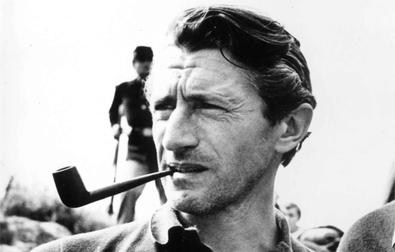
Career and directorial style
Guillermin built a reputation for visual clarity and efficient storytelling. His films often emphasized disciplined staging, clear action beats and carefully composed camera work designed to serve story momentum. Comfortable handling of stunts, location shooting and special effects allowed him to helm larger-scale productions while retaining a tight sense of pacing. He worked for British and American studios, adapting to different production cultures and budgetary scales.
Notable films
- I Was Monty's Double (1958)
- Tarzan's Greatest Adventure (1959)
- Never Let Go (1960)
- Tarzan Goes to India (1962)
- Waltz of the Toreadors (1962)
- The Blue Max (1966)
- The Bridge at Remagen (1969)
- The Towering Inferno (1974)
- King Kong (1976)
- Death on the Nile (1978)
- Sheena (1984)
- King Kong Lives (1986)
These titles illustrate Guillermin's range: from intimate British thrillers and period dramas to international co-productions and large-scale commercial entertainments. Several of his films were intended as box-office draws featuring prominent production values and ensemble casts.
Legacy and assessment
While not commonly styled an "auteur" in critical discourse, Guillermin is often praised for his professionalism, ability to manage complex shoots and to deliver pictures on time. Film historians note his contribution to the development of mid-20th century mainstream cinema, particularly in how European directors adapted to Hollywood production systems. His career demonstrates a steady craftsmanship that helped bring ambitious genre projects to screens on both sides of the Atlantic. Guillermin died in 2015, leaving a varied body of work still watched for its technical assurance and entertainment value.
For further reading on his life and films, sources that examine British postwar cinema and studio-era blockbusters provide useful context; archival materials and filmographies offer a fuller list of his credits and production histories. Many of the titles listed above are good starting points for evaluating his contribution to popular cinema.
Related articles
Author
AlegsaOnline.com John Guillermin — British film director (1925–2015) Leandro Alegsa
URL: https://en.alegsaonline.com/art/122480