
John Gould: English Ornithologist, Illustrator, and Victorian Naturalist
John Gould (1804–1881) was an English ornithologist and bird illustrator whose illustrated monographs, species descriptions and work on Galápagos finches influenced Victorian natural history and evolutionary study.
Overview
John Gould (14 September 1804 – 3 February 1881) was a leading English ornithologist and natural history publisher of the Victorian era. He combined scientific description with large, hand-coloured lithographic plates to produce landmark monographs that introduced many non-European bird species to the public and to science. Gould’s output helped establish ornithology as a systematic discipline and popular pastime in the 19th century.
Image gallery
8 Images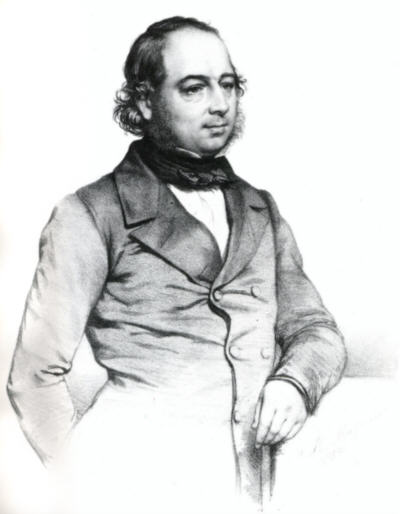




Early life and career
Gould began his working life in London and rose to prominence by preparing specimens, describing new species and organising illustrated works. He assembled teams of artists and lithographers—early contributions came from his wife, Elizabeth Gould—and financed multi-part publications that were issued over many years. The quality and scale of these volumes made them prized by collectors and scientific institutions alike.
Major works and techniques
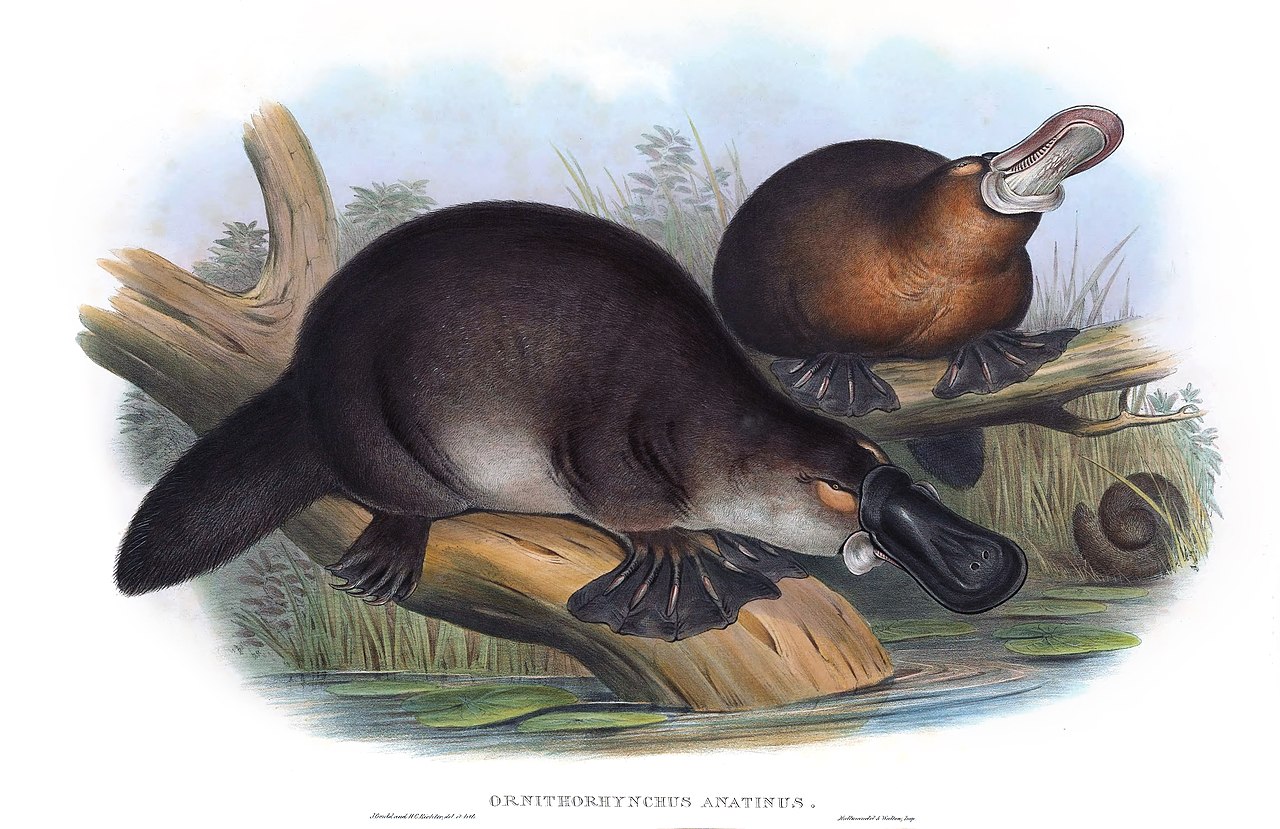
Gould produced extensive illustrated series, notably on hummingbirds, the birds of Australia and regional faunas. His projects paired concise scientific text with detailed plates showing plumage and posture; the plates were printed and hand-coloured using lithography, then bound in multi-part volumes for sale to libraries, museums and private subscribers. These monographs remain important historic records of species descriptions and appearance.
Connection to Darwin and the Galápagos
A turning episode in 19th‑century biology came when Gould examined bird specimens collected during the voyage of HMS Beagle. He recognised that the group now commonly called Darwin’s finches were several distinct species rather than a single widespread form. That identification influenced Charles Darwin and contributed to his developing ideas about evolution and natural selection. The finches receive limited direct treatment in On the Origin of Species, but Gould’s assessment is often cited as a pivotal moment in the history of evolutionary thought.
Collaborators and collecting networks
Gould relied on a wide network of collectors, museum contacts and field naturalists to supply specimens from regions such as Australia, South America and the Pacific. Field collectors (some named, others anonymous), local guides and indigenous assistants all played roles in obtaining material for his plates. Modern historians discuss both Gould’s achievements and the colonial systems that supported nineteenth‑century specimen exchange.
Legacy
Gould described numerous species and left a large body of illustrated work that continues to be studied for its scientific and artistic value. His name has been commemorated in institutions and organisations—most notably a bird organisation in Australia formed in 1909 that adopted his name to promote bird study and conservation. Opinions of Gould range from admiration for his contributions to ornithology to critical reassessment of the social and colonial contexts of his collecting practices. Nevertheless, his publications remain central historical sources for the study of bird taxonomy and Victorian natural history.
Further reading and context
- Study of Gould’s plates and species descriptions provides insight into nineteenth‑century taxonomy and illustration technique.
- Accounts of the Beagle voyage and Darwin’s early notes are often cross‑referenced with Gould’s identifications to explain how field observations fed into broader theoretical debates.
For general orientation about Gould’s place in the history of science and natural history illustration, see standard biographies and museum catalogues that summarise his published works, collaborators and the reception of his volumes across Europe and the colonies.
Related articles
Author
AlegsaOnline.com John Gould: English Ornithologist, Illustrator, and Victorian Naturalist Leandro Alegsa
URL: https://en.alegsaonline.com/art/122476