
John Elway: NFL Quarterback, Champion, and Team Executive
Profile of John Elway, the Pro Football Hall of Fame quarterback who led the Denver Broncos to two Super Bowl titles, his playing style, career milestones, and post-playing roles.
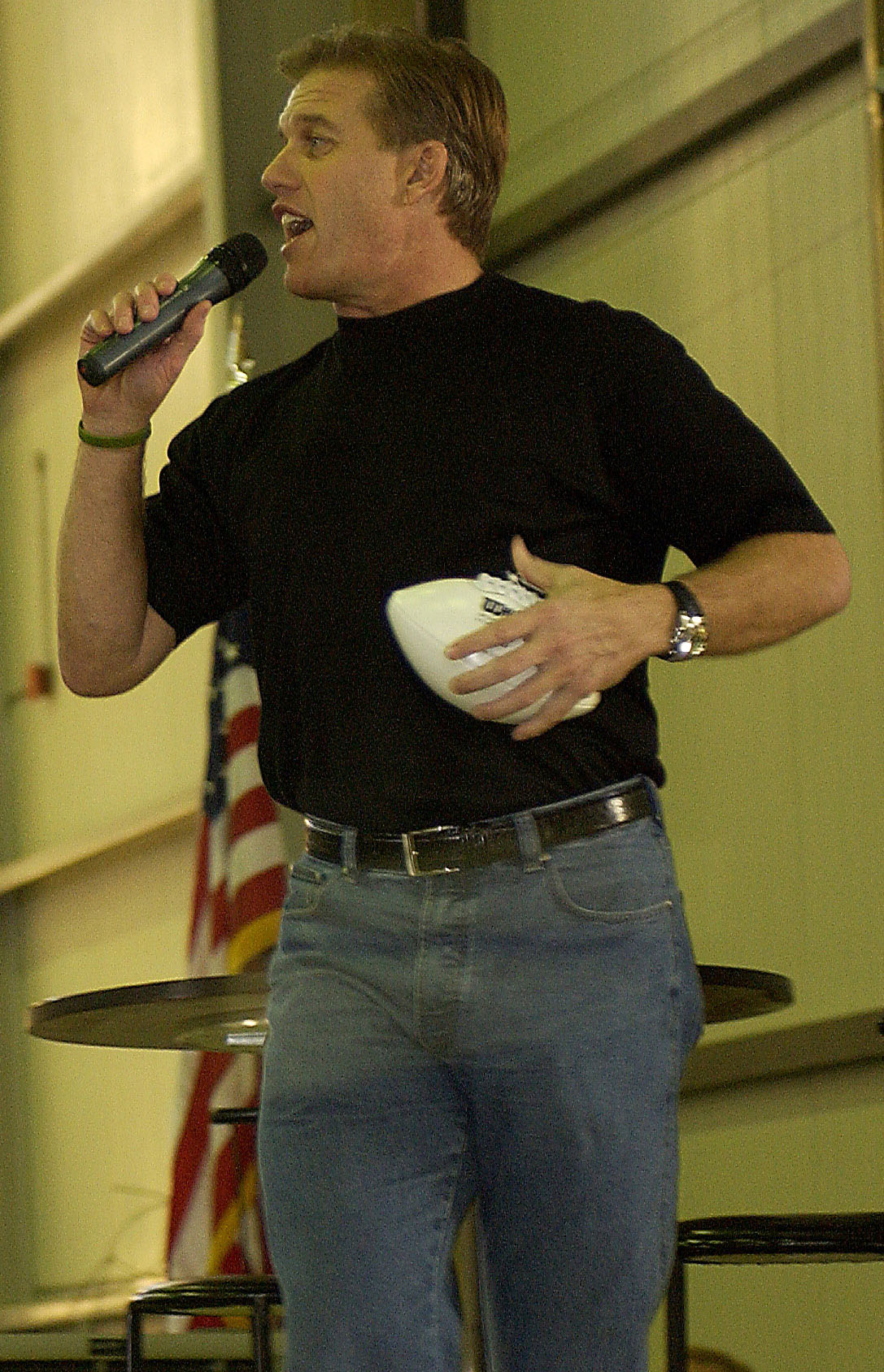
John Albert Elway Jr. is one of the most recognized figures in American professional football. Born on June 28, 1960 in Port Angeles, Washington, Elway rose from a standout high school athlete to a collegiate and professional star. He is a member of the Pro Football Hall of Fame and is widely known for his contributions to American football as a premier quarterback whose leadership and late-game comebacks became part of his legacy.
Image gallery
7 Images


Early life and college
Elway's athletic talents emerged in the Pacific Northwest, and he went on to play college football at Stanford. At Stanford he polished both his arm and his mobility, attracting national attention for his ability to extend plays and produce clutch drives. His versatility as a passer and runner drew the interest of professional scouts and set the stage for a high-profile entry into the professional ranks.
NFL career with the Denver Broncos
Elway spent his entire professional playing career with the Denver Broncos in the National Football League (NFL). Known for powerful throws, strong leadership, and an uncanny knack for late comebacks, he led Denver through more than a decade of competitiveness. His individual honors include league recognition such as the 1987 NFL Most Valuable Player award, and he ultimately capped his career by winning back-to-back championships.
Achievements and playing style
- Renowned for mobility in the pocket and a strong arm, often converting pressure into positive plays.
- Multiple Pro Bowl selections and numerous franchise records during and after his career.
- Won consecutive Super Bowls late in his career, and was named Super Bowl MVP in the final championship game.
- Memorable performances against notable opponents, including a championship victory over the Atlanta Falcons.
Elway's style combined physical toughness with poise under pressure. He frequently extended plays with his legs when passing lanes broke down, and he developed a reputation as a leader who could rally teammates in critical moments. While raw statistics trace his impact, many observers emphasize his intangible influence on team confidence and resilience.
After retirement and legacy
Following retirement as a player, Elway remained active in football and business. He moved into team management and ownership roles, applying his on-field experience to personnel and organizational decisions. His induction into the Hall of Fame cemented his status among the sport's elite, and his name remains synonymous with franchise turnaround and championship achievement. For those researching his career or contributions, primary profiles and historical accounts are often linked through team histories and sports archives (birth record, college profile, franchise history).
Elway's career is studied for lessons in leadership, longevity, and adaptation. From rising star to veteran champion and executive, his journey illustrates how athletic skill combined with competitive temperament and strategic thinking can shape both games and organizations over decades.
Related articles
Author
AlegsaOnline.com John Elway: NFL Quarterback, Champion, and Team Executive Leandro Alegsa
URL: https://en.alegsaonline.com/art/122441