
John Eleuthère du Pont
American heir, philanthropist and founder of the Foxcatcher wrestling program; best known for the 1996 murder of wrestler Dave Schultz, conviction, and subsequent imprisonment until his death in 2010.
Overview
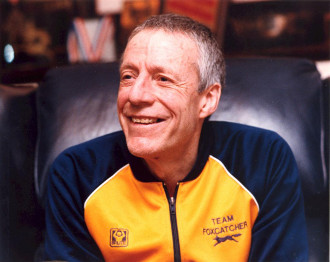
John Eleuthère du Pont (22 November 1938 – 9 December 2010) was an American heir of the du Pont family fortune, a philanthropist and sports patron. He is widely remembered for creating the Foxcatcher wrestling program and for the 1996 killing of Olympic wrestler Dave Schultz, for which he was convicted and imprisoned.
Image gallery
3 Images

Background and activities
Born into the prominent du Pont family, du Pont used his wealth to pursue private interests in sport, natural history and collecting. He established an estate known as Foxcatcher Farm in Pennsylvania, where he hosted athletes and financed training programs. His support attracted elite wrestlers and coaches to the program and brought national attention to the property.
Foxcatcher and wrestling
The Foxcatcher program combined du Pont's desire to promote amateur wrestling with his personal patronage. Several high-level wrestlers trained at his facility and received financial and material support there. The program was unusual for its private backing and the prominent role of a single benefactor in elite amateur sport.
Murder, trial and imprisonment
On January 26, 1996, du Pont shot and killed Dave Schultz at Foxcatcher Farm. The case drew intense media coverage. At trial, du Pont's mental state was a major issue: his defense argued serious psychiatric problems while prosecution described a deliberate killing. In 1997 he was convicted of third-degree murder and sentenced to prison in Pennsylvania. He remained incarcerated until his death in 2010.
Legacy and cultural impact
The events surrounding Foxcatcher and Schultz's death prompted debate about wealth, power, mental illness and athlete protection. The story has been the subject of documentary and dramatic treatments, most notably the film Foxcatcher, which dramatized the relationships and tensions at the estate. The case continues to be cited in discussions of patronage in sport and the responsibilities of private benefactors.
Further reading
- Biographical profiles and court records provide detailed timelines and legal documents.
- Contemporary reporting and later analyses examine mental-health testimony and institutional oversight.
- For an overview of the legal proceedings and media coverage see additional sources.
Related articles
Author
AlegsaOnline.com John Eleuthère du Pont Leandro Alegsa
URL: https://en.alegsaonline.com/art/122440
Sources
- nytimes.com : "John E. du Pont, Heir Who Killed an Olympian, Dies at 72"
- upi.com : "Du Pont heir dies in prison"
- nytimes.com : Jere Longman, Pam Belluck and Jon Nordheimer, "For du Pont Heir, Question Was Control"
- articles.philly.com : "John du Pont was buried in his wrestling singlet"
- variety.com : "Hall joins Carell in 'Foxcatcher'"