
Joey Maxim — American light‑heavyweight boxing champion (1922–2001)
Overview of Joey Maxim, American light‑heavyweight boxer, his style, championship reign (1951–52), notable fights including Sugar Ray Robinson, Archie Moore, Ezzard Charles, and contribution to mid‑20th century boxing.
Joey Maxim (born Giuseppe Antonio Berardinelli; March 28, 1922 – June 2, 2001) was an American professional boxer best known for holding the world light‑heavyweight title from 1951 to 1952. Renowned for his toughness and ring intelligence, Maxim fought many of the era's top contenders and champions across light‑heavy and heavyweight divisions. His career illustrates the physical demands and cross‑division challenges common in mid‑20th century boxing.
Image gallery
4 Images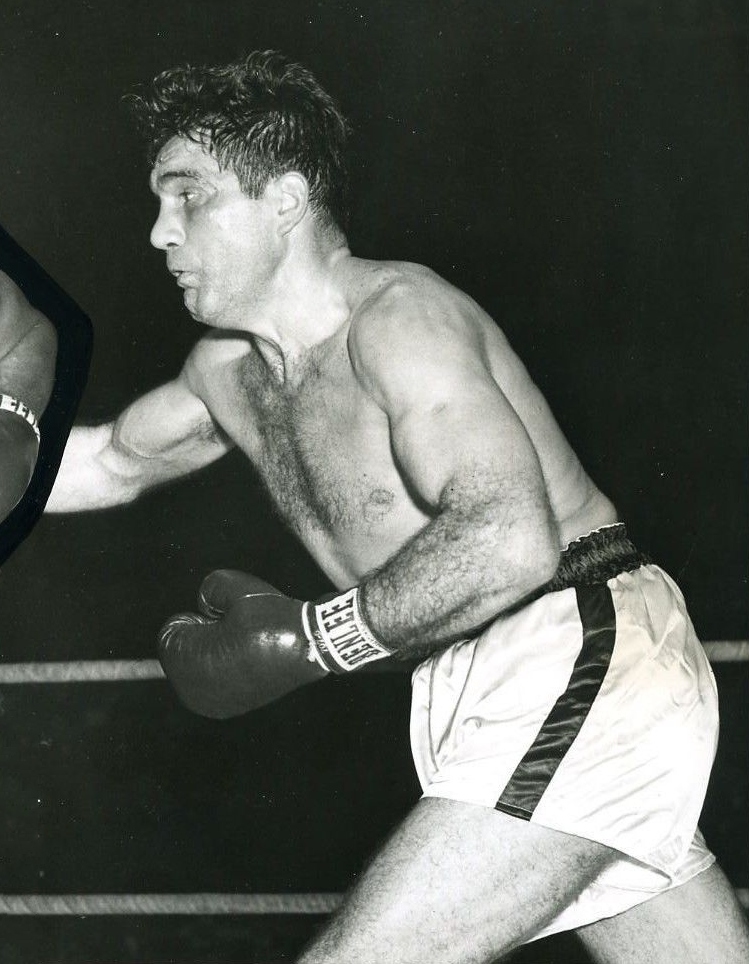



Career overview and significance
Maxim rose through the professional ranks in the 1940s and became a prominent figure by the early 1950s. He captured the light‑heavyweight crown in 1951 and defended it during a period when the division featured several all‑time greats. Maxim's championship fights attracted wide attention because he both faced and beat celebrated opponents, and he also campaigned at heavyweight on occasion — a move that was bold for a fighter of his natural size.
Style and characteristics
Observers described Maxim as a disciplined, defense‑minded boxer who relied on tactical awareness, a steady jab and the ability to absorb pressure. Rather than overwhelming opponents with one‑punch power, he used conditioning, ring generalship and timing to win decisions. His durability allowed him to go deep into long championship distances, a common feature of title bouts in his era.
Notable fights and moments
Maxim's time at the top included several high‑profile matches. He successfully defended the light‑heavyweight title in bouts that drew major public interest, and he met legendary fighters from adjacent divisions. In 1952 he lost the title to Archie Moore by decision, ending his run as champion. He also challenged heavyweight opposition, facing tough opponents and testing himself outside his weight class. Later in his career he handed a young contender his first professional loss, demonstrating the veteran presence he maintained even after leaving the belt.
Legacy and context
Joey Maxim is remembered as a durable and intelligent ring technician who competed against multiple Hall of Fame contemporaries. His career highlights reflect an era when boxers often moved between divisions and fought long championship distances. He remains a case study in how strategy, conditioning and adaptability can define a successful career even without prolific knockout totals.
Selected notable fights
- Early career milestones and records
- Capture of the light‑heavyweight title (1951)
- Title defense against Sugar Ray Robinson
- Challenge at heavyweight versus Ezzard Charles
- Loss of the title to Archie Moore (1952)
- Notable non‑title bouts and international appearances
- Later career: veteran wins and mentoring role
- Fight against a future world heavyweight champion (Floyd Patterson)
- Contemporary assessments and rankings
- Obituary and retrospective analyses
For readers seeking more detailed fight records, contemporary reports and archival materials, the items above link to representative sources and collections. Maxim's career is often reviewed alongside mid‑century champions to illustrate the period's competitive landscape, the physical demands of long championship fights, and the frequent movement of boxers between divisions.
Further note: This article summarizes broadly known facts about Joey Maxim's career and influence. For fight‑by‑fight records, official sanctioning body histories and primary contemporary accounts, consult the links listed and recognized boxing archives and historical resources.
Related articles
Author
AlegsaOnline.com Joey Maxim — American light‑heavyweight boxing champion (1922–2001) Leandro Alegsa
URL: https://en.alegsaonline.com/art/122200