
Floyd Patterson: Olympic gold medalist and two-time world heavyweight champion
Floyd Patterson (1935–2006) was an American boxer who won Olympic gold in 1952 and twice held the world heavyweight title in the 1950s–60s. Known for speed, a compact defense and for regaining the title after defeat.
Floyd Patterson (January 4, 1935 – May 11, 2006) was an American professional boxer and Olympic champion whose career bridged the amateur and modern professional eras. He won a gold medal at the 1952 Helsinki Games and rose to become world heavyweight champion in the 1950s and again in the early 1960s. Patterson is widely remembered for his quick hands, tucked-chin defensive style and for being the first heavyweight champion to lose the title and regain it within a year.
Image gallery
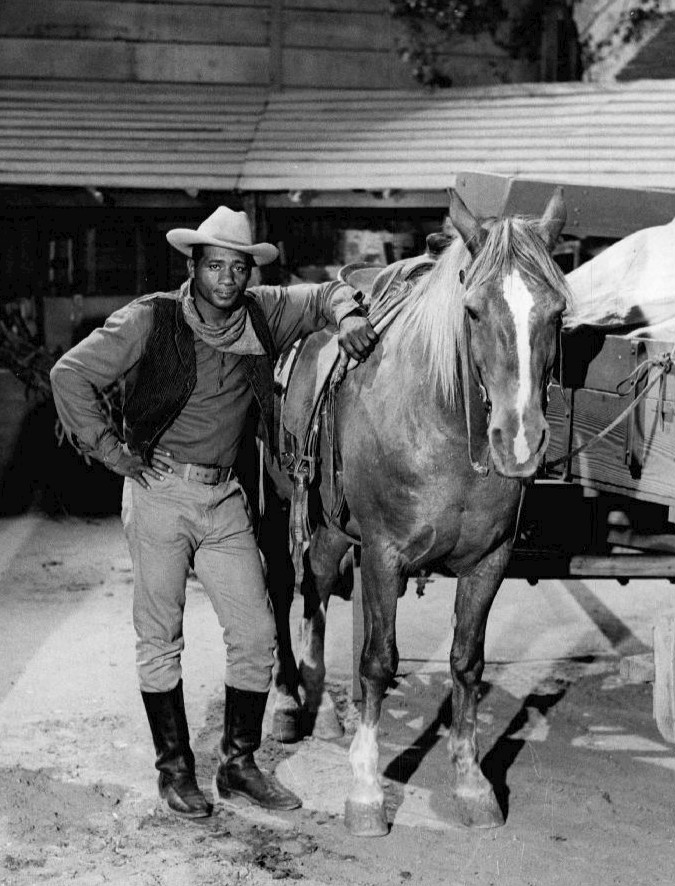
6 Images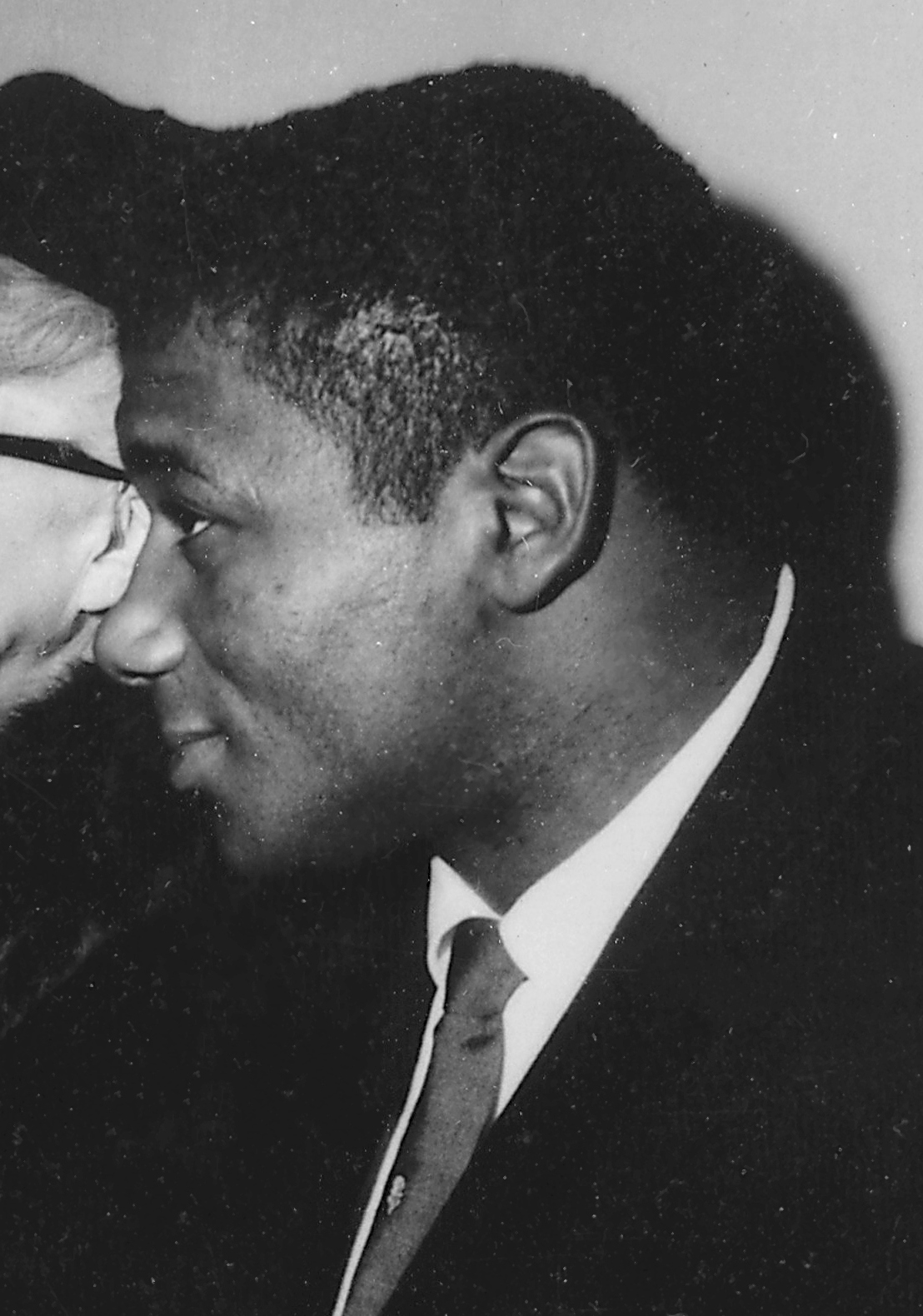



Early and amateur career
Patterson began boxing as an amateur and achieved international recognition with his victory at the 1952 Olympic Games in Helsinki. That Olympic success provided a fast track to the professional ranks and established him as one of the most promising young heavyweights of his time. For details on his Olympic record see the archived profile (Olympic record).
Professional rise and championships
After turning professional Patterson moved quickly through the heavyweight division. He captured the world title in the mid-1950s and became known for a style that emphasized movement, speed and combinations rather than relying solely on single-punch power. His first spell as champion followed a string of notable pro victories; later he lost the title and then regained it in a rematch—an uncommon achievement in the heavyweight division and one often cited in historical summaries (title history, notable rematch).
Notable opponents and fights
- He met top contenders of his era in several high-profile bouts and faced challenges that tested different aspects of his game. For round-by-round accounts and archival summaries see the match listings (major fights).
- Patterson engaged in memorable meetings with contemporaries who shaped heavyweight boxing in the late 1950s and 1960s; these bouts are frequently referenced when discussing the transition of the division (key opponents).
Style and training
Patterson's approach combined a crouched, guarded guard with fast combinations and footwork to close distance. He trained for many years under a prominent coach whose methods stressed defense, timing and psychological preparation; that trainer's influence is widely discussed in boxing literature (training and tactics).
Later life and legacy
Following the end of his competitive career, Patterson remained associated with boxing through coaching, public appearances and mentoring younger fighters. He received recognition in boxing halls of fame and is commonly cited as an example of how skill, speed and technique can compensate for differences in size among heavyweights. His career is preserved in numerous historical overviews and archives that examine both his in-ring accomplishments and his contributions to the sport's evolution (career overview).
For further reading and archival material, consult the linked topic pages above (Olympics, titles, rematches, major fights, training, opponents, career overview).
Questions and answers
Q: Who was Floyd Patterson?
A: Floyd Patterson was an American heavyweight boxing champion and Olympic gold medalist.
Q: In which year did Patterson win the gold medal in boxing in the Olympic Games?
A: Patterson won the gold medal for boxing in the 1952 Olympic Games in Helsinki, Finland.
Q: How long was Patterson the heavyweight champion of the world?
A: Patterson was the heavyweight champion of the world from 1956-1959 and from 1960-1962.
Q: What is Patterson remembered for in the boxing world?
A: Patterson is remembered as the first heavyweight champion to lose the title and get it back within a year.
Q: Did Patterson only win the heavyweight title once?
A: No, Patterson won the heavyweight title twice.
Q: What was Patterson's birth and death date?
A: Patterson was born on January 4, 1935, and died on May 11, 2006.
Q: In which city did Patterson win his second heavyweight title?
A: Patterson won his second heavyweight title in New York City.
Related articles
Author
AlegsaOnline.com Floyd Patterson: Olympic gold medalist and two-time world heavyweight champion Leandro Alegsa
URL: https://en.alegsaonline.com/art/35255