
Jim Bolger — Prime Minister of New Zealand (1990–1997)
James Brendan 'Jim' Bolger (born 31 May 1935) is a New Zealand politician and businessman who led the National Party and served as Prime Minister from 1990 to 1997; later diplomat and public figure.
Overview
James Brendan "Jim" Bolger (born 31 May 1935) is a New Zealand politician and businessman best known for leading the National Party and serving as the country's 35th prime minister from 2 November 1990 to 8 December 1997. His time in office spanned significant economic and constitutional change, including market-oriented reforms and the transition to a mixed-member proportional (MMP) electoral system. For a general biography and further resources see biographical information.
Image gallery
6 Images


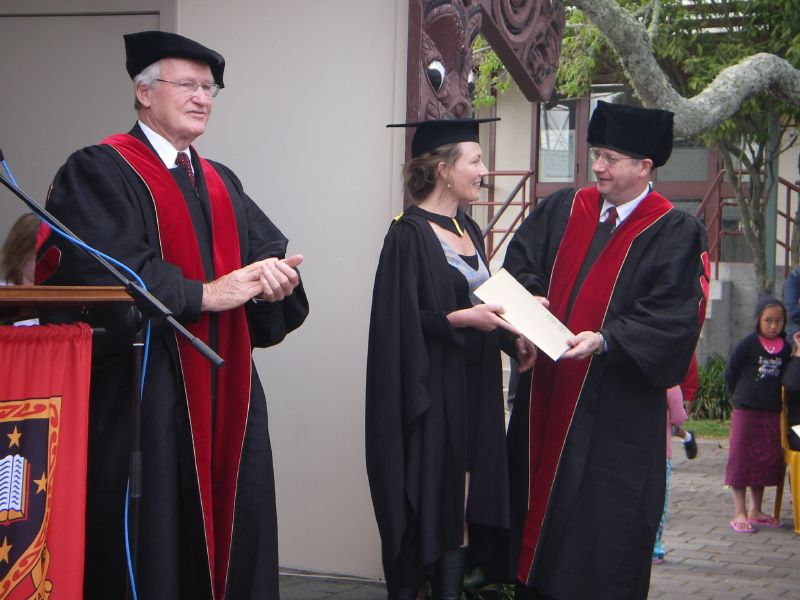

Early life and background
Bolger was born in Ōpunake, in the Taranaki region, and worked as a farmer and businessman before entering national politics. His rural background influenced his political outlook and public style, and he became known for a pragmatic approach to economic and social policy. He is a Roman Catholic and has been married since 1963; his family life has often been mentioned in coverage of his long public career.
Political rise and prime ministership
Bolger entered Parliament and rose through the ranks of the National Party, becoming party leader in the mid-1980s. He led National to victory in 1990 and formed governments focused on fiscal restraint, reform of public services, and support for private enterprise. During his administration there were major debates over welfare and public spending, alongside efforts to stabilise the economy after a period of rapid change the previous decade.
Constitutional change and coalition politics
One of the defining developments while Bolger was prime minister was the move to change New Zealand's voting system. A 1993 referendum kept momentum for replacing the existing electoral arrangements and led to MMP being used for the first time in the 1996 election. That election introduced coalition and support agreements into New Zealand's national politics in a new, sustained way; Bolger led his party through the complexities of coalition building in the MMP era.
Later career and honours
After leaving the premiership in 1997, Bolger continued to serve in public roles and in business. He was later appointed to senior diplomatic and representational posts and received national honours recognising his service. For more on his honours and later appointments see official honours and posts.
Personal life and legacy
Bolger's personal life—marriage, a large family and his rural roots—has been part of his public image. His long tenure as prime minister, management of economic policy, and role in the shift to MMP make him a significant figure in late-20th-century New Zealand politics. Scholars and commentators often note his pragmatic management style and the challenges of governing during a period of institutional change.
- Led the National Party and served as prime minister from 1990 to 1997.
- Oversaw policy shifts in economic management and public services.
- Presided during the transition to mixed-member proportional representation.
- Later held diplomatic and public appointments; referenced in official records.
Related articles
Author
AlegsaOnline.com Jim Bolger — Prime Minister of New Zealand (1990–1997) Leandro Alegsa
URL: https://en.alegsaonline.com/art/122023
Sources
- collegium-international.csregistry.org : "Members"