
Jimmy Hoffa — American labor leader and Teamsters president
James R. Hoffa led the International Brotherhood of Teamsters (1958–1971). A powerful and controversial figure, he was convicted on corruption-related charges, disappeared in 1975, and was later declared dead.
James Riddle "Jimmy" Hoffa (born February 14, 1913) was a prominent American labor leader who served as president of the International Brotherhood of Teamsters (IBT). Under his leadership the Teamsters grew into one of the largest and most powerful trade unions in the United States. Hoffa combined aggressive organizing and bargaining with a tough public persona; his career became a focal point for debates over union democracy, government oversight, and the limits of labor power in the mid-20th century.
Image gallery
4 Images
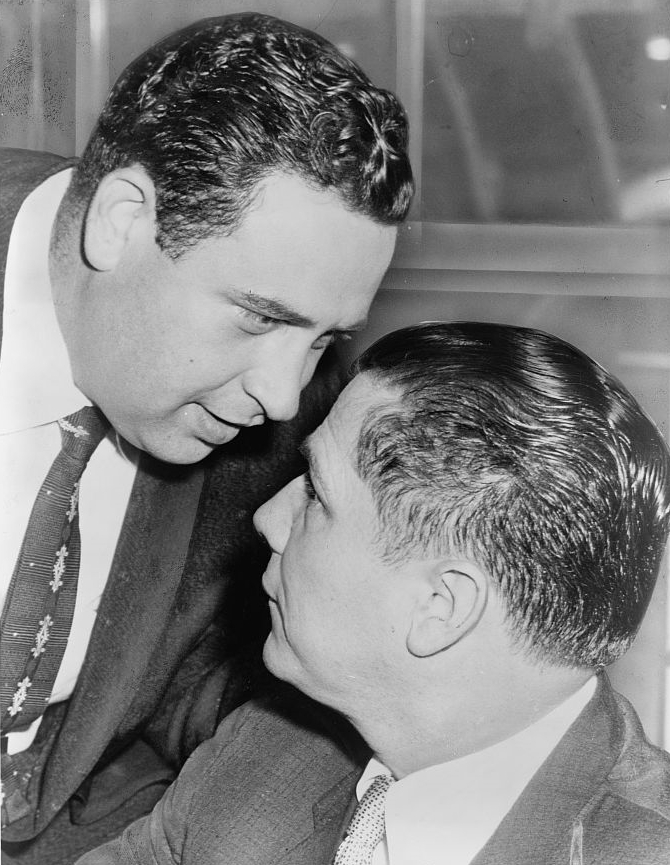
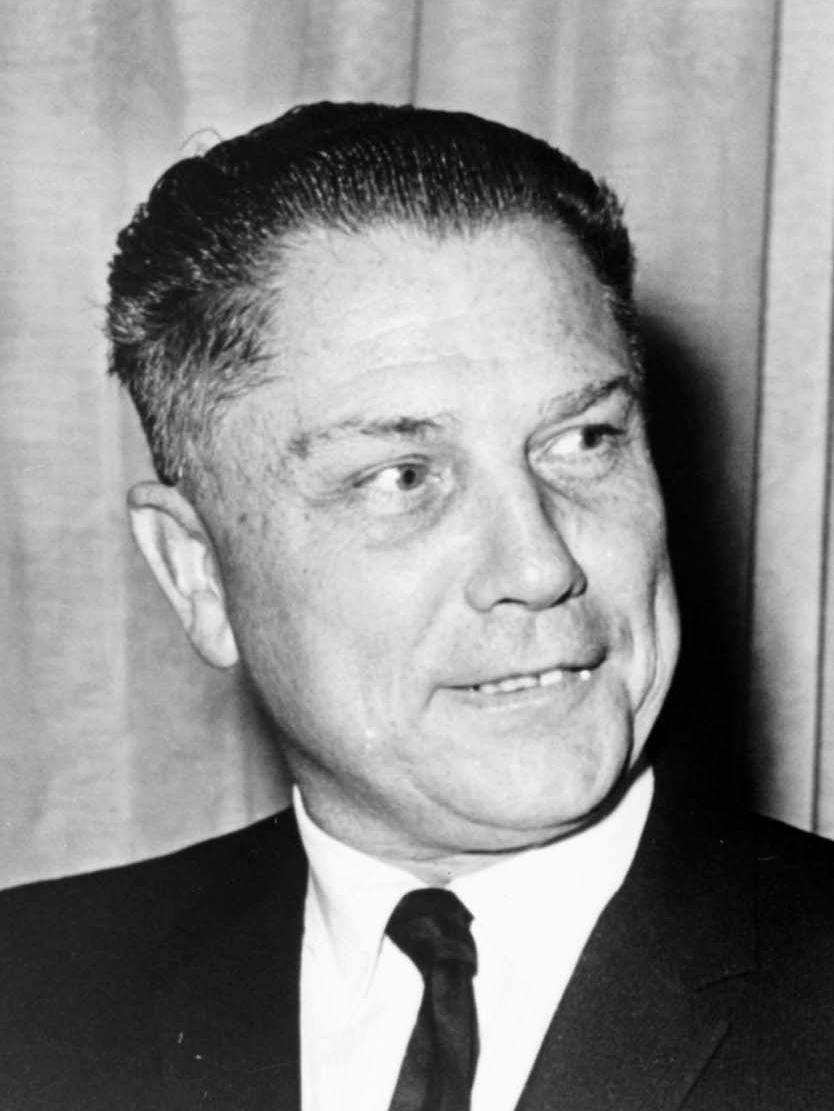

Career and influence
Hoffa rose through local Teamsters ranks and won election as the union's national president in 1958. During his tenure the union expanded its membership and bargaining reach, negotiating contracts that secured wages, pensions, and benefits for many workers in trucking and related industries. Hoffa emphasized centralization and the use of national bargaining power, helping the Teamsters exert significant economic influence across transportation and goods movement in the United States.
Legal troubles and public controversy
Hoffa's career was marked by persistent allegations of corruption and ties between union officials and organized crime figures. In the 1960s and early 1970s he faced criminal investigations and was convicted on charges related to corruption and improper conduct; he served time in federal prison. These legal battles contributed to federal reforms in union oversight and long-term scrutiny of labor leadership practices.
Disappearance and aftermath
On July 30, 1975, Hoffa vanished after saying he was traveling to a meeting in the Detroit area; he was 62 years old at the time. Despite extensive investigations, searches, and numerous reported leads over the years, his fate remains officially unresolved. Many theories and claims have circulated about what happened to him, but none have produced definitive, verifiable closure. He was later declared dead in absentia for legal purposes.
Legacy and cultural impact
Hoffa's complex legacy blends concrete gains won for workers with persistent controversy over corruption and governance within unions. He remains a well-known figure in American culture, referenced in journalism, books, and films as shorthand for power, mystery, and the entanglements between labor movements and organized crime. His disappearance continues to attract public fascination and scholarly interest as an unresolved high-profile mystery.
- Role: Longtime leader of the Teamsters, influential in national labor negotiations.
- Controversy: Convictions and allegations led to imprisonment and federal scrutiny of unions.
- Disappearance: Vanished in 1975 under unresolved circumstances; legally declared dead later.
- Significance: Symbolic figure in 20th-century labor history and American popular culture.
Related articles
Author
AlegsaOnline.com Jimmy Hoffa — American labor leader and Teamsters president Leandro Alegsa
URL: https://en.alegsaonline.com/art/121998
Sources
- abcnews.go.com : "Jimmy Hoffa: FBI won't confirm dig is search for body"
- detroit.cbslocal.com : "Theory 42 Years Later: Jimmy Hoffa Murdered At Bloomfield Hills Home"
- freep.com : Land claimed to be Jimmy Hoffa burial site owned by Jack Tocco in 1970s | Detroit Free Press | freep.com
- usnews.nbcnews.com : "Latest search for Jimmy Hoffa called off with no remains found"