
Blimp: non-rigid airship — design, history, and modern uses
A blimp is a non-rigid lighter‑than‑air aircraft. This article explains its structure, history (including WWII patrols), typical components, modern roles like advertising and surveillance, and how it differs from rigid airships.
Overview
A blimp is a type of airship that maintains its shape from internal gas pressure rather than an internal framework. As lighter‑than‑air craft they rely on a lifting gas to float and are steered and propelled by engines attached to a suspended gondola or car. Blimps are sometimes called non‑rigid airships to distinguish them from framed (rigid) or partially framed (semi‑rigid) designs.
Image gallery
10 Images



Design and main components
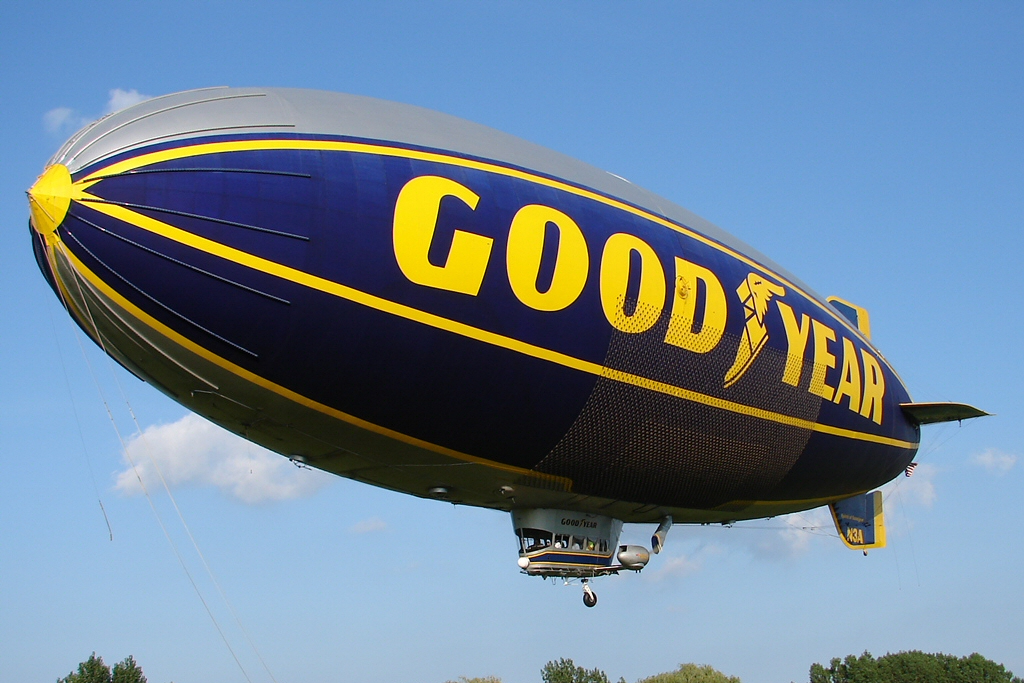
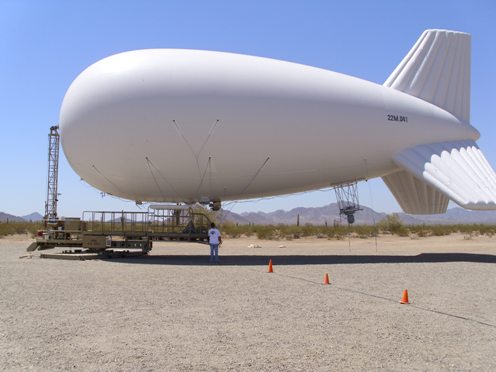
The basic parts of a blimp include an outer envelope that holds the lifting gas, internal ballonets that control pressure and trim, a gondola for crew or payload, engines with propellers, and tail surfaces for stability and steering. Ballonets are air bags inside the envelope that are inflated or deflated to regulate buoyancy and compensate for changes in temperature or altitude.
- Envelope: flexible fabric or laminate that contains the gas.
- Ballonets: adjustable air chambers for pressure control.
- Gondola (car): houses pilots, passengers, instruments, or cargo.
- Propulsion and control surfaces: engines, propellers, rudders and elevators.
History and development
Airships were developed in the late 19th and early 20th centuries. Blimps emerged as practical non‑rigid designs that were simpler and lighter than framed counterparts. Early airships sometimes used hydrogen; after safety concerns and later availability of helium, the non‑flammable gas became preferred where accessible. During World War II, the United States used blimps for coastal patrol and convoy escort missions to search for enemy submarines and protect shipping lanes; these patrols helped deter and detect submerged threats.
Modern uses and examples
Today blimps are best known for aerial advertising and event coverage, often carrying company signage over sporting events and festivals. They are also employed for aerial observation, short‑range surveillance, scientific measurements, and tourism. Their quiet flight, long loiter times, and good visibility make them suitable for promotional and observational roles.
Distinctions and notable facts
Unlike rigid airships (for example, Zeppelins), which have an internal framework to keep their shape, blimps depend entirely on internal gas pressure and ballonets for form and trim. Semi‑rigid types combine elements of both approaches. Blimps are generally smaller and simpler to operate than large rigid airships, and while they cannot carry the same heavy payloads, they remain useful for roles where endurance and low‑speed stability matter.
For further reading about airships, structural types, historical military use, anti‑submarine patrols, and modern advertising blimps see related entries: airship overview, structural types, U.S. WWII airship service, submarine warfare, and commercial advertising blimps.
Tags
Related articles
Author
AlegsaOnline.com Blimp: non-rigid airship — design, history, and modern uses Leandro Alegsa
URL: https://en.alegsaonline.com/art/12177