
Jean Rogers — American film actress and early science-fiction serial heroine
Jean Rogers (1916–1991) was an American film actress best known for playing Dale Arden in the 1930s Flash Gordon serials. She later appeared in 1940s B-movies and remains an early screen science‑fiction figure.
Overview
Jean Rogers (March 25, 1916 – February 24, 1991) was an American film actress who gained prominence in the 1930s as a leading player in chaptered cinematic serials. She is most widely remembered for portraying Dale Arden, the companion of Flash Gordon, in the Universal serials that brought the space‑opera hero to a broad filmgoing audience.
Image gallery
3 Images
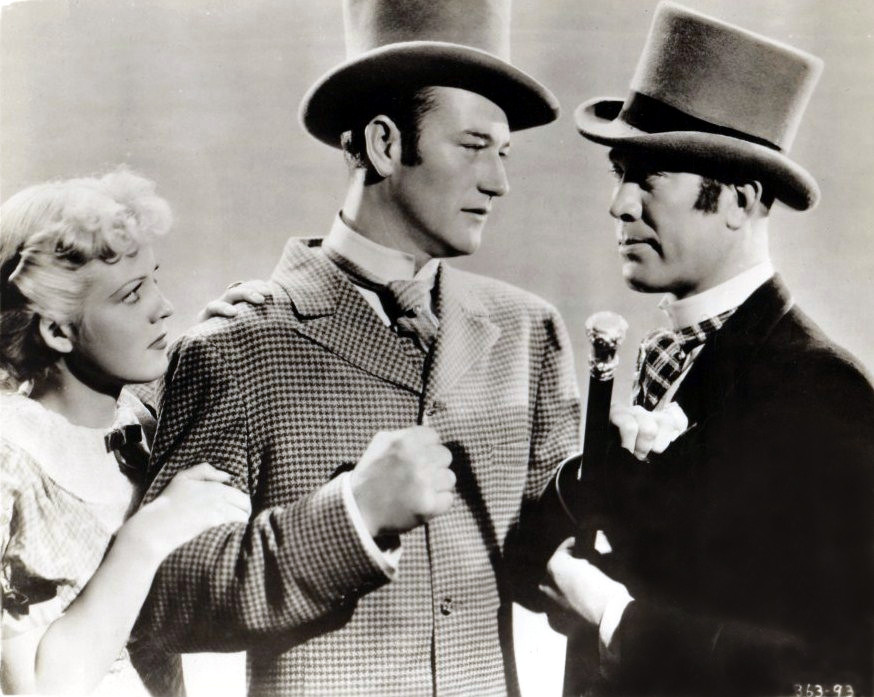

Career highlights
Rogers' best‑known screen appearances are the two Flash Gordon serials from the late 1930s. She played Dale Arden opposite Buster Crabbe in Flash Gordon (1936) and returned for Flash Gordon's Trip to Mars (1938). These productions were influential examples of the serial format: short, action‑driven chapters shown before main features and designed to end on cliffhangers that encouraged repeat attendance.
Invited to reprise the role for the third serial, Flash Gordon Conquers the Universe (1940), Rogers declined to return. In the following decade she transitioned away from serials and worked in a variety of lower‑budget studio releases often categorized as B-movies, a segment of the industry that supplied steady work for many performers and served popular audience demand for genre pictures.
Screen persona and significance
Rogers' screen persona combined qualities typical of the era's female leads: she could portray vulnerability and earnestness while also conveying resilience when the plot required rescue scenes or emotional counterpoint to the hero. In the serials she helped establish the archetype of the heroine or companion in early science‑fiction cinema—someone whose presence heightened personal stakes and provided a human anchor amid fantastic spectacle.
Selected works
- Flash Gordon (serial, 1936) — one of the most remembered science‑fiction serials of the 1930s.
- Flash Gordon's Trip to Mars (serial, 1938) — the direct follow‑up retaining the principal leads.
- Flash Gordon Conquers the Universe (serial, 1940) — Rogers was invited to return but chose not to reprise the role.
Legacy and later recognition
Although Jean Rogers did not become a top‑tier studio star in A‑pictures, her performances in the Flash Gordon serials have endured through fan interest, retrospective screenings and preservation work that highlights early genre filmmaking. Film historians and enthusiasts of classic serials often cite her role as an example of female characterization in 1930s popular cinema, while discussions of B‑movie production note the ways that serial actors found continuous employment in second‑tier studio releases.
For readers seeking more detail on Rogers’ career, studio publicity materials, contemporary film magazines and compilations of serial histories provide useful primary and secondary perspectives. General listings and filmographies that cover the era's serials and B‑movies offer additional context to understand the working conditions and audience reception of such pictures.
Related articles
Author
AlegsaOnline.com Jean Rogers — American film actress and early science-fiction serial heroine Leandro Alegsa
URL: https://en.alegsaonline.com/art/121709