
James V of Scotland (1512–1542)
King of Scotland from infancy, James V reasserted royal authority, fostered Renaissance culture, allied with France by marriage, and was the father of Mary, Queen of Scots. His death followed military reverses with England.
Overview
James V was King of Scotland from 1513 until his death in 1542. Born in 1512, he became monarch as an infant after the death of his father at Flodden. His long minority and later personal rule shaped early 16th-century Scotland through struggles with powerful noble families, close ties to France, and an interest in Renaissance culture and court life.
Image gallery
10 Images




Early life and accession
As a child-king James spent his early years under the authority of regents and factional rivals. The regency era saw the crown weakened by competing noble interests. In 1528, James escaped the influence of the dominant Douglas family and assumed direct control of government, determined to restore royal power and curb overmighty subjects.
Reign and policies
Once in charge, James worked to strengthen the monarchy: he reasserted control over justice and administration, maintained a royal court modeled on continental examples, and pursued alliances that protected Scottish independence. Religion was a growing issue in his reign; while he remained a Catholic sovereign, the early Reformation reached Scotland and created political and religious tensions.
Foreign relations and conflict
James continued the traditional Auld Alliance with France, cementing ties through two marriages to French noblewomen. Relations with England were frequently hostile. In 1542, after a military setback at Solway Moss and rising tensions with Henry VIII, James died suddenly, leaving his infant daughter Mary as his successor and setting the stage for the later "Rough Wooing."
Family and cultural patronage
- Marriages: Madeleine of Valois (died young) and Mary of Guise (mother of Mary, Queen of Scots).
- Children: his legitimate heir was Mary; he also acknowledged several illegitimate sons who played roles in later Scottish politics.
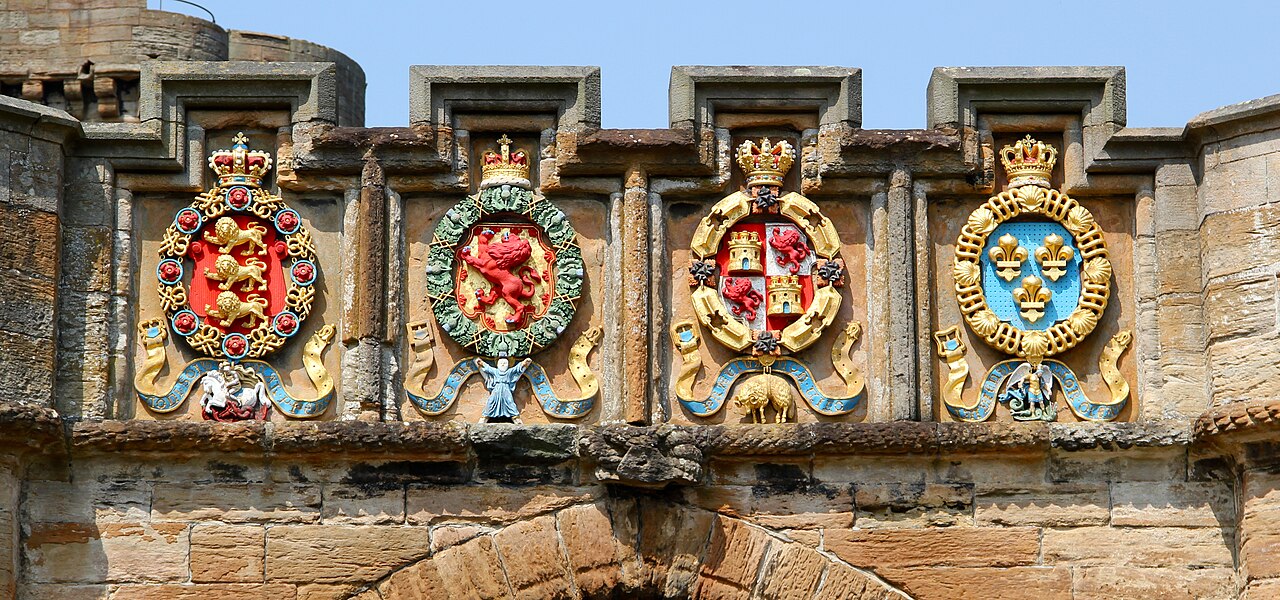
- Cultural impact: James fostered Renaissance tastes at court, invested in palaces and masques, and supported craftsmen and architects influenced by Continental styles.
Legacy
James V is remembered for reviving royal authority after a turbulent minority, for his Francophile court and patronage of the arts, and for leaving a fragile succession that would have profound consequences for Scotland and its relations with England. As father of Mary, Queen of Scots, his brief personal rule had lasting political and dynastic effects.
Related articles
Author
AlegsaOnline.com James V of Scotland (1512–1542) Leandro Alegsa
URL: https://en.alegsaonline.com/art/121379