
Isaac Albéniz — Spanish pianist and composer (1860–1909)
Spanish composer and virtuoso pianist Isaac Albéniz is best known for Iberia and for bringing regional Spanish musical styles into concert music.
Overview
Isaac Albéniz was a leading Spanish composer and virtuoso pianist of the late 19th and early 20th centuries. He was born in the Catalan town of Camprodon — Camprodon — in what is today recognized as part of Spain, on 29 May 1860. He died in the spa town of Cambo-les-Bains in 1909. Albéniz combined a career as an active concert pianist with a prolific output as a composer and a well-regarded pianist, and became a central figure in the promotion of Spanish musical identity.
Image gallery
6 Images


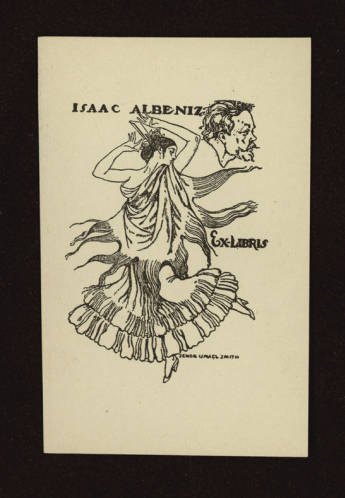

Musical style and major works
Albéniz is remembered especially for piano works that evoke regional Spanish dances, folk modes and rhythms. His most famous composition is the large, evocative piano cycle Iberia, a set of twelve pieces widely praised for their colorful harmonies, complex rhythms and pianistic difficulty. These pieces are often described as blending Spanish folk elements with impressionistic textures, and they remain cornerstones of the advanced piano repertoire. Other piano pieces, songs and orchestral arrangements also reflect his interest in local musical color and theatrical gesture.
Career, zarzuela and public reception
Albéniz wrote for the theatre as well as the concert hall, composing several zarzuelas — a Spanish lyric-dramatic genre — and attempting at times to give the form greater dramatic weight. The lighter, popular quality of traditional zarzuela often clashed with his ambitions, and audiences did not always accept his attempts to reform it. Nevertheless, his theatrical work helped spread Spanish musical idioms both at home and abroad, while his touring and publishing brought attention to Spain's musical traditions.
Legacy and notable facts
Albéniz played a major role in the musical nationalism movement in Spain and influenced younger composers and performers. Several points of note:
- He was born in Catalonia: Camprodon (Spain).
- Birth and death dates: 29 May 1860 and death place Cambo-les-Bains.
- Recognized both as a composer and as a pianist.
- Best known for the piano cycle Iberia, admired for its rhythmic vitality.
- Worked in and wrote for the zarzuela tradition: zarzuela.
Some of Albéniz's shorter piano pieces later became staples of the classical guitar repertoire in arranged versions, which helped extend his influence beyond the piano. Today his music is performed worldwide, both in original piano form and in arrangements that emphasize its lyrical and folkloric qualities.
Questions and answers
Q: Who was Isaac Albéniz?
A: Isaac Albéniz was a Spanish composer and pianist who was born in Camprodón, Catalonia, Spain on 29 May 1860 and died in Cambô-les-Bains, Spain on 18 May 1909.
Q: What did Isaac Albéniz compose?
A: Isaac Albéniz composed a lot of piano music, including the collection of 12 piano pieces called Iberia, which have lots of exciting Spanish rhythms. He also wrote several zarzuelas (light-hearted Spanish operas).
Q: What is Isaac Albéniz's best-known work?
A: Isaac Albéniz's best-known work is the collection of 12 piano pieces called Iberia.
Q: What kind of music did Isaac Albéniz try to make more serious?
A: Isaac Albéniz tried to make the zarzuela (light-hearted Spanish opera) more serious.
Q: Was the public receptive to Isaac Albéniz's attempt to make the zarzuela more serious?
A: No, the public did not want a more serious zarzuela.
Q: Did Isaac Albéniz's work have an impact outside of Spain?
A: Yes, Isaac Albéniz helped to make Spanish music more popular in other countries.
Q: What was the difficulty level of Isaac Albéniz's piano pieces?
A: Isaac Albéniz's piano pieces were very difficult to play.
Related articles
Author
AlegsaOnline.com Isaac Albéniz — Spanish pianist and composer (1860–1909) Leandro Alegsa
URL: https://en.alegsaonline.com/art/120975