
Ida Siekmann — first known casualty of the Berlin Wall
Ida Siekmann (1902–1961) was a German nurse and the first recorded person to die in connection with the Berlin Wall after attempting to cross from East to West in August 1961.
Ida Siekmann (23 August 1902 – 22 August 1961) was a German nurse who became the first widely recognized victim of the Berlin Wall. Her death came in the early days after the border fortifications were erected in mid‑August 1961, and it quickly came to symbolize the human cost of Berlin's division.
Image gallery
5 Images


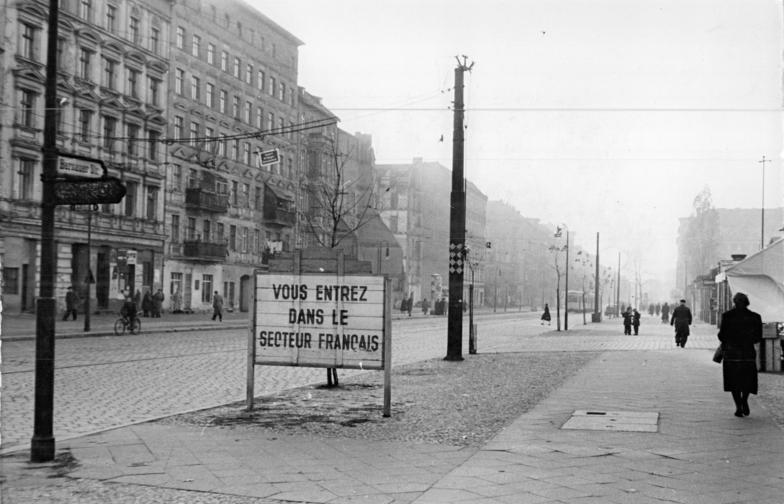
Early life and work
Siekmann was born in 1902 and lived in Berlin during the turbulent decades that followed World War II. She worked as a nurse and was part of a community that found itself split when the city was divided into East and West sectors. Like many residents of certain streets in central Berlin, her home stood in a place where the new frontier cut through everyday life.
The fatal attempt
When East German authorities began sealing the border in August 1961, residents of some buildings on streets such as Bernauer Straße faced sudden confinement. Siekmann attempted to reach the West by leaving her apartment and jumping from a window to the street below. She sustained fatal injuries and died shortly afterward; contemporary accounts describe her as the first person to lose her life as a direct consequence of the newly enforced border.
Historical context
The construction of the Berlin Wall started on 13 August 1961, isolating West Berlin from surrounding East Germany and East Berlin. In the first days and weeks, the barrier was a patchwork of fences, barbed wire and hurriedly closed windows and doors; residents living on border streets experienced abrupt changes in freedom of movement. Siekmann's death occurred against this chaotic backdrop and illustrated how quickly the division affected civilians.
Legacy and remembrance
Siekmann is remembered as a poignant early casualty of the Cold War division of Berlin. Her death spurred attention to the plight of those trapped by the new frontier and later became part of memorials and historical discussions about the Wall. Plaques and commemorations along former border streets mark her name alongside other victims who died trying to cross.
Notable facts
- She is commonly cited as the first known person to die in connection with the Berlin Wall.
- Her case highlighted the suddenness with which ordinary urban life was disrupted by the border measures.
- Remembrance efforts place her among several civilians whose deaths illustrate the human toll of Berlin's division.
For further background on the neighborhood and the border situation see Bernauer Straße and border buildings and general histories of the Berlin Wall.
Related articles
Author
AlegsaOnline.com Ida Siekmann — first known casualty of the Berlin Wall Leandro Alegsa
URL: https://en.alegsaonline.com/art/120857