
Hubert Reeves — French-Canadian Astrophysicist and Science Communicator
Hubert Reeves (1932–2023) was a French-Canadian astrophysicist known for work on the origins of chemical elements and for decades of public science writing, lectures and environmental advocacy.
Overview
Hubert Reeves (born July 13, 1932 — died October 13, 2023) was a French-Canadian astrophysicist who became widely known both for his research into stellar processes and for popularizing science for general audiences. Trained in physics, he combined a research career with books, public lectures and media appearances that brought contemporary ideas about the cosmos to non-specialists. He spent much of his adult life working and living in North America and Europe and attracted attention as a public intellectual concerned with scientific and environmental questions. Further reading
Image gallery
3 Images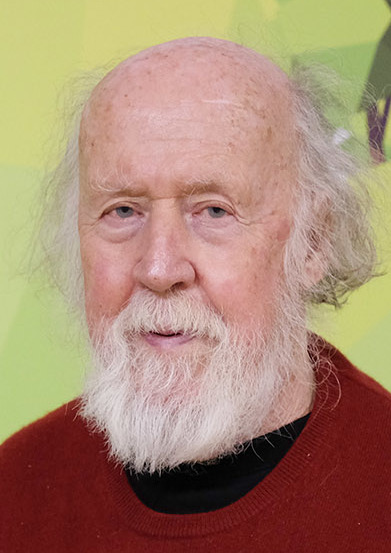


Early life and education
Reeves was born in Montreal, Quebec, and received his early schooling there, including studies at Collège Jean-de-Brébeuf. His formative years coincided with rapid developments in atomic and astronomical physics; these fields shaped his later academic interests. After initial studies in Canada, he pursued advanced research that led him into astrophysics and nuclear processes in stars. Biographical summaries and interviews record his bilingual upbringing and transatlantic career movements. Biographical note
Research and scientific contributions
Reeves worked on problems at the intersection of nuclear physics and astronomy, with a particular interest in nucleosynthesis — the way chemical elements are formed inside stars and distributed through the universe. His research addressed how stellar evolution and explosive events produce heavier elements and thus contribute to the chemical composition of galaxies. Throughout his scientific career he published technical papers and collaborated with researchers in several countries. He also commented on cosmology and the large-scale evolution of the universe. Scholarly overview
Popularization and public engagement
Beyond academic publications, Reeves became a prolific communicator of science. He wrote books, gave public lectures and participated in radio and television programs aimed at explaining complex astronomical ideas in clear, accessible language. His style often combined scientific explanation with philosophical reflection, making connections between human experience and the cosmic perspective. He used public platforms to discuss science literacy and the cultural importance of scientific thinking. Selected works and talks
Awards, advocacy and legacy
Over the course of his long career Reeves received multiple honors for both his research and his writing. In later decades he was also known for environmental advocacy, linking concern for planetary ecosystems with scientific understanding of Earth in a cosmic context. Colleagues, readers and audiences remember him as a bridge between specialist science and general culture, and his books and broadcasts continue to influence educators and communicators. Honors and legacy
Notable themes and distinctions
- Nucleosynthesis: central theme of his scientific work, explaining origins of elements.
- Science communication: numerous books and public appearances brought astronomy to wide audiences.
- Environmental concerns: later public interventions connected cosmic perspective with stewardship of Earth.
For readers seeking a deeper introduction, consult biographical entries, collections of his essays and recordings of his lectures. These sources give a fuller sense of his scientific contributions and his role in promoting public understanding of astronomy and its wider implications.
Related articles
Author
AlegsaOnline.com Hubert Reeves — French-Canadian Astrophysicist and Science Communicator Leandro Alegsa
URL: https://en.alegsaonline.com/art/120751